
Dreamgirls Lyrics: Song List
- I'm Lookin' For Something
- Goin' Downtown
- Takin' The Long Way Home
- Move
- Fake Your Way To The Top
- Big (Jazz Instrumental)
- Cadillac Car
- Steppin' To The Bad Side
- Love You I Do
- I Want You Baby
- Family
- Dreamgirls
- Heavy
- It's All Over
- And I Am Telling You I'm Not Going
- I'm Somebody
- When I First Saw You
- Patience
- I Am Changing
- Perfect World
- I Meant You No Harm/Jimmy's Rap
- Lorrell Loves Jimmy/Family (Reprise)
- Step On Over
- I Miss You Old Friend
- Effie, Sing My Song
- One Night Only
- Listen
- Hard To Say Goodbye
- Dreamgirls (Finale)
About the "Dreamgirls" Stage Show
Musical was elaborated with long intervals. The original actress, Jennifer Holliday, who was supposed to portray Effie, lead singer of Dreamgirls, which then leaves the band because of pregnancy, renounce twice her role in this musical. The first time she went on shooting of the film series, and then, after her return and participating in several workshops on the project, she noticed that her role was greatly curtailed, and all the preference was given to the second lead-soloist. Still, they rewrote her role, increasing the stage time so she for the third time would join the production team.
On Broadway, production came in 1981, and gave 1521 fantastic performances, being closed only in 1985. Hosting place was Imperial Theatre. Michael Bennett was the producer and director of the project, which was became his huge success on the stage. Actors taking part in the musical were as follows: O. Babatundé, S. L. Ralph, C. Derricks, J. Holliday, B. Harney & L. Devine. The careers of many artists, especially Mrs. Holliday, experienced serious jumps thanks to this musical. The main performer was praised very much for the quality of her participation in this. In addition, a record of one of the songs of Holliday came out on top of Billboard in 1982. In addition to classic awards, relevant for the musicals, music recording received 2 Grammy awards and they both went to Holliday.
US tour was launched in 1983, with such actors: A. Walker, C. Derricks–Carroll, J. Holliday, C. Derricks, L. Riley, L. Clayton & L. L. Brown. The second round, which began in 1985, was longer than the first one, which, because of the high costs, was able to give only 3 performances.
Resuming on Broadway was in 1987, where L. White was in the main role, a protege of Mrs. Holliday.
Release date of the musical: 2006
"Dreamgirls" – The Musical Guide & Song Meanings
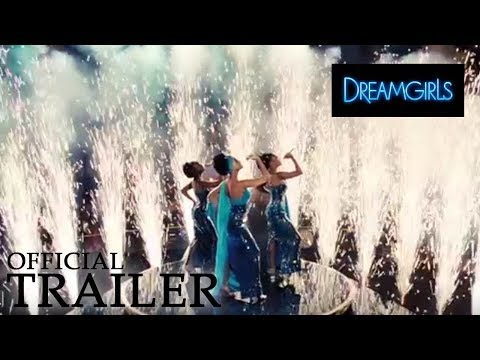
Review
“Dreamgirls” (2006) is a story about the moment a voice becomes a product. The lyrics keep returning to one cruel question: who gets to be heard, and under what contract? Even when the movie is dressed in spotlights and mink, the songs are built like negotiations. The women sing about love, but they are also singing about leverage. The men sing about hits, but they are also singing about ownership.
What makes the film adaptation distinct is how it redistributes interior life. The stage show’s emotional spine is Effie’s refusal to disappear. The film keeps that, then adds a second spine for Deena: the slow realization that “success” can feel like being politely erased. The new ballad written for Deena, “Listen,” exists because the screenplay needed her to speak in first person, loudly, late in the story. That is a structural lyric decision, not just a pop-star accommodation.
Musically, the soundtrack plays time traveler. Early numbers chase girl-group bite and live-band heat, then tilt into smoother pop, then into disco sheen. That evolution is not only historical flavor. It is plot. Each shift in style marks a shift in control, from the messy room where you build a sound to the polished room where someone sells it back to you.
How It Was Made
The 2006 film is built on the 1981 stage musical, with songs by Henry Krieger and Tom Eyen, and a screenplay and direction by Bill Condon. For the movie, the music team and studio supervisors hired the R&B production duo The Underdogs to reshape the score toward period-correct soul and contemporary pop-R&B clarity. The soundtrack release was treated as an event object: issued in both standard and deluxe editions, and anchored by four new songs not in the stage version, including “Listen,” “Love You I Do,” “Patience,” and “Perfect World.”
Those additions are not filler. They are character rebalancing. “Listen” reframes Deena from an image to a person, in the exact part of the story where the film risks turning her into a hairstyle with a microphone. “Love You I Do” gives Effie something earlier than devastation, a private love song that proves she did not start as a warning label. The new songs are a map of where the movie wanted more psychology, then wrote it directly into the lyric sheet.
Key Tracks & Scenes
"Fake Your Way to the Top" (The Dreams)
- The Scene:
- Rehearsal becomes choreography boot camp. Bodies hit marks. Smiles get drilled until they look like instinct. The lighting reads like a training floor, bright enough to show every mistake.
- Lyrical Meaning:
- This is the show’s most honest mission statement, and it is ugly on purpose. The lyric turns aspiration into instruction: perform confidence before you feel it. The hook lands because it sounds like advice you might accept, then regret.
"Steppin' to the Bad Side" (Curtis, Ensemble)
- The Scene:
- A pivot from “talent” to “strategy.” The group’s sound is being packaged, their edges sanded, their future moved by men in suits. The staging often feels like a door closing while the beat keeps dancing.
- Lyrical Meaning:
- The lyric is bravado masking compromise. “Bad side” sounds rebellious, but it really means accepting the industry’s rules and calling it ambition.
"And I Am Telling You I'm Not Going" (Effie)
- The Scene:
- Effie is fired and cornered. The room is not a stage, but it becomes one because she refuses to stay small. Tight framing, harsh light, and a feeling that the air has been taken away.
- Lyrical Meaning:
- This lyric is a protest that knows it might lose. That is why it hurts. It is not a victory anthem. It is a demand to be treated as real, after the decision has already been made.
"I Am Changing" (Effie)
- The Scene:
- After the crash, after the silence. Effie is rebuilding in public, which is harder than breaking down in public. The lighting softens, as if the film is finally letting her be human instead of headline.
- Lyrical Meaning:
- The lyric is accountability without self-hatred. Effie does not apologize for wanting success. She apologizes for how she let that wanting poison her relationships.
"One Night Only" (Effie, then Deena and Company)
- The Scene:
- The same song becomes a battle. Effie’s version reads as testimony, intimate and bruised. The Dreams’ disco version reads as product launch, bright lights, fast edits, and a crowd trained to clap on command.
- Lyrical Meaning:
- The lyric’s genius is its flexibility. Sung by Effie, it is about being chosen once and hoping that is enough. Sung as disco, it becomes disposable pleasure. Same words, different ownership.
"Listen" (Deena)
- The Scene:
- Deena in a recording booth, but emotionally elsewhere. The scene plays like a resignation letter sung into a microphone. The lighting isolates her, finally giving her the visual solitude Effie has owned all along.
- Lyrical Meaning:
- The lyric is Deena claiming authorship of her own life, not just her career. It is refusal packaged as melody, a voice breaking out of a marriage that treats her like a brand asset.
"Love You I Do" (Effie)
- The Scene:
- A quiet corner of early love. No spotlight tricks. The feeling is domestic, almost secret, like she is admitting tenderness before the business can touch it.
- Lyrical Meaning:
- This is Effie as romantic, not as cautionary tale. The lyric matters because it makes later betrayal personal, not abstract.
"Patience" (Jimmy Early)
- The Scene:
- Jimmy in the late-night register, half prayer and half negotiation. The room is smoky. The camera treats him like a legend who knows he is becoming yesterday’s headline.
- Lyrical Meaning:
- The lyric is older than the plot around it. It is about waiting for love, but also about waiting for the world to stop moving past you.
Live Updates 2025–2026
“Dreamgirls” is not only a legacy title right now. It is scheduled to re-enter the Broadway conversation. Industry reporting in September 2025 announced a Broadway revival planned for fall 2026, with Camille A. Brown set to direct and choreograph, and producers including Sonia Friedman, Sue Wagner, John Johnson, and LaChanze. The announcement also emphasized a global casting search to find the next trio of Dreams.
Outside New York, the show remains a reliable season anchor. Regional calendars for 2026 continue to list it as a marquee crowd title, including a run announced in San Antonio’s 2025–26 season (scheduled for February to March 2026). Licensing and rights administration remain active through Concord Theatricals, which keeps the piece in circulation even when Broadway is quiet.
Notes & Trivia
- The film soundtrack album “Dreamgirls: Music from the Motion Picture” was released December 5, 2006, in both standard and deluxe configurations.
- The soundtrack added four new film songs not in the stage show: “Listen,” “Love You I Do,” “Patience,” and “Perfect World.”
- “Listen,” “Love You I Do,” and “Patience” were nominated for the Academy Award for Best Original Song, and “Love You I Do” later won a Grammy for Best Song Written for visual media.
- Music supervisors Matt Sullivan and Randy Spendlove are credited alongside The Underdogs in soundtrack production documentation.
- Bill Condon’s film version includes extended and alternate musical scenes on the “Showstopper Edition” home release, including sequences tied to “Fake Your Way to the Top” and “Steppin’ to the Bad Side.”
- Trade reviews singled out “Listen” as a key new dramatic concession, giving Deena a late-story claim to agency.
Reception
Critical response to the film often split along one fault line: spectacle versus songwriting. Some reviewers praised the propulsion and the performances, especially Jennifer Hudson’s Effie, while questioning whether the movie’s new material earned its emotional space. Even supportive takes tended to treat the new songs as functional, written to balance screen time and character sympathy.
“Chief concession to spreading the spotlight is Deena's new powerhouse ballad, ‘Listen.’”
“There's a lot right with this filmed musical, but the music itself lets it down…”
“‘And I Am Telling You,’ … is … an anthem of impotence … Jennifer Hudson is not going anywhere. She has arrived.”
Quick Facts
- Title: Dreamgirls
- Year: 2006 (film adaptation; soundtrack release)
- Type: Musical drama film; adapted from the 1981 stage musical
- Film director and screenwriter: Bill Condon
- Original stage music: Henry Krieger
- Original stage book and lyrics: Tom Eyen
- Soundtrack album title: Dreamgirls: Music from the Motion Picture
- Soundtrack release date: December 5, 2006
- Soundtrack labels: Music World Entertainment; Columbia (with Sony Urban Music branding in catalog listings)
- Soundtrack producers/arrangers: The Underdogs (Harvey Mason Jr., Damon Thomas), with music supervision credits including Matt Sullivan and Randy Spendlove
- New film songs added: “Listen,” “Love You I Do,” “Patience,” “Perfect World”
- Album status: Standard and deluxe editions; cataloged across major streaming services
- 2026 Broadway outlook: Revival announced for fall 2026, directed and choreographed by Camille A. Brown
Frequently Asked Questions
- Is this page about the 2006 film or the original stage musical?
- Primarily the 2006 film and its soundtrack album, while pointing back to the Krieger and Eyen stage score the film is built on.
- Which songs were written for the film version?
- The soundtrack documentation identifies four film-only additions: “Listen,” “Love You I Do,” “Patience,” and “Perfect World.”
- Why does “Listen” feel different from the older score?
- It was written to give Deena a late-story emotional statement and a clear break from Curtis’s control, so its lyric agenda is direct: self-definition.
- What is the lyrical point of having two versions of “One Night Only”?
- It turns a love song into an ownership dispute. Effie’s version is personal and pleading. The disco version turns the same message into a saleable moment.
- Is “Dreamgirls” coming back to Broadway?
- Yes. Industry reporting in September 2025 announced a Broadway revival planned for fall 2026, directed and choreographed by Camille A. Brown, with a worldwide casting search.
- Where can I legally listen to the 2006 soundtrack?
- The album “Dreamgirls: Music from the Motion Picture” is available on major streaming platforms, and it was released in standard and deluxe editions.
Key Contributors
| Name | Role | Contribution |
|---|---|---|
| Bill Condon | Director; Screenwriter | Shaped the film’s narrative arc and the need for added character songs. |
| Henry Krieger | Composer | Wrote the original stage score; contributed to film-era additions documented in song credits. |
| Tom Eyen | Book; Lyricist (stage) | Created the original stage text and lyrical world the film adapts. |
| The Underdogs (Harvey Mason Jr., Damon Thomas) | Soundtrack producers/arrangers | Reworked the score toward film-era R&B and pop structure in the soundtrack production. |
| Matt Sullivan | Music supervisor (film/soundtrack credit) | Credited in soundtrack production documentation. |
| Randy Spendlove | Music supervisor (film/soundtrack credit) | Credited in soundtrack production documentation. |
| Jennifer Hudson | Performer | Effie White; central film performance tied to “And I Am Telling You I'm Not Going” and “I Am Changing.” |
| Beyoncé | Performer | Deena Jones; central to the film’s added “Listen” narrative turn. |
| Eddie Murphy | Performer | Jimmy Early; anchors “Patience” in the film’s new-song lineup. |
| Camille A. Brown | Director; Choreographer (revival) | Announced to lead the fall 2026 Broadway revival. |
Sources: Variety; The Guardian; Playbill; Wikipedia; Apple Music; IMDb; Concord Theatricals; Deadline; People; New York Theatre Guide; Express-News (San Antonio).