
Secret Garden, The Lyrics: Song List
- Act 1
- Opening (Clusters of Crocus)
- There's A Girl
- The House Upon The Hill
- I Heard Someone Crying
- If I Had A Fine White Horse
- A Girl In The Valley
- It's A Maze
- Winter's On The Wing
- Show Me The Key
- A Bit Of Earth
- Storm I
- Lily's Eyes
- Storm II
- Round-Shouldered Man
- Final Storm
- Act 2
- The Girl I Mean To Be
- Quartet
- Race You To The Top Of The Morning
- Wick
- Come To My Garden/Lift Me Up
- Come Spirit, Come Charm
- A Bit Of Earth (Reprise)
- Disappear
- Hold On
- Letter Song
- Where In The World
- How Could I Ever Know
- Finale
About the "Secret Garden, The" Stage Show
The script & the lyrics of the histrionics were written by M. Norman. Music created by L. Simon. World’s premiere was in the Norfolk Wells Theatre, located in the state of Virginia. The performance took place from November to December 1989. The production was directed by R. J. Cutler. Try-outs before Broadway began in April 1991. Production was held in St. James Theatre from late April 1991 until January 1993 with 23 preliminaries & 709 regular performances. In production were engaged director S. H. Schulman & choreographer M. Lichtefeld. The performance had such cast: R. Luker, D. Eagan, M. Patinkin, A. Fraser & J. Babcock. In July 1995, the theatrical showed in Melbourne Paper Mill Playhouse. The director & choreographer was D. Holdgrive. In the show was involved such cast: C. Bebout, G. Crampton, S. Douglas, C. Hudson, R. Johanson & K. Rice.
In July 1995, began the Australian tour of the musical. It was directed by S. H. Schulman & M. Lichtefeld. The tour included this cast: S. Fiddes, B. Ritchie, A. Warlow, P. Quast, M. Prior, T. Blair & J. Salter. In November 2000, began British production’s previews. Musical was shown in Stratford Royal Shakespeare Theatre from November 2000 to January 2001, under the direction of A. Noble & choreographer G. Lynne. The show had such cast: P. Quast, P. Polycarpou, L. Hateley, C. Purnell, N. Morgan & T. E. Dick. Afterwards, the musical moved to London, to the Aldwych Theatre, where it was from February to June 2001. In October 2015, in the Manhattan’s Lincoln Center & in January 2016 in Lucille Lortel Theater, this histrionics was produced as the concept. Broadway’s show was nominated for several awards.
Release date of the musical: 1991
"The Secret Garden" – The Musical Guide & Song Meanings
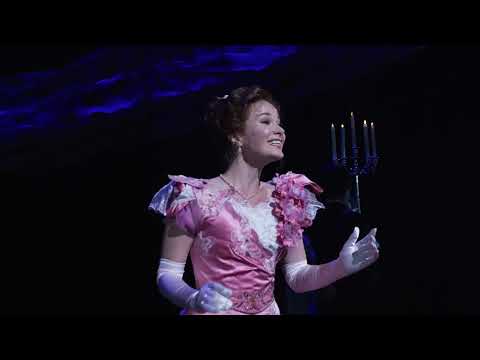
Review: the lyrics make grief audible, then insist you answer
The Secret Garden is often sold as a child’s story with a wistful score. That is only half true. Marsha Norman’s lyrics are built like a pressure test for adults who have perfected avoidance. The children do not “fix” Misselthwaite Manor by being cute. They fix it by refusing the house’s favorite language: silence.
The show’s smartest lyric move is how it assigns moral vocabulary. Mary gets verbs. Plant, find, open, move. She sings in actions. The men get nouns that trap them: memory, guilt, duty, Lily. When Archibald and Neville sing “Lily’s Eyes,” the lyric is not romantic in any relaxed way. It is forensic. They inventory a woman’s features to explain their own lives. The song is beautiful, and it is also a confession that neither man can speak about Lily without turning her into evidence.
Lucy Simon’s music meets Norman’s language in a rare sweet spot: a score that can be lush without getting soft. The melodies stretch, but the words stay pointed. Even “A Bit of Earth,” which could be pure pastoral comfort, is really a man bargaining with himself. He asks for something small because he cannot handle the full ask: to re-enter life.
And then there is the show’s other secret. The lyrics are unusually practical for performers. You can track plot turns inside the rhyme. That is why this musical survives in regional theatres, schools, and concert stagings. It gives singers clear reasons to sing, not just pretty lines to float.
How it was made
Norman and Simon’s adaptation reached Broadway in 1991, but its story begins as an invitation. In a 25th anniversary interview, Norman recalls set designer Heidi Ettinger calling her and asking if she wanted to write the book, and Norman saying yes before she had even read Burnett’s novel. That detail matters. The musical’s engine is theatrical problem-solving, not literary reverence. It is a stage team looking at a classic and asking: where does the singing have to happen?
The original Broadway production opened at the St. James Theatre on April 25, 1991 and ran through January 3, 1993, clocking 709 performances. The piece arrived with a striking headline for its era: multiple women steering major creative roles, a point later emphasized in retrospectives with original cast members and the writers. It won Tony Awards including Best Book of a Musical and Best Scenic Design, with Daisy Eagan winning for Featured Actress as Mary.
One more behind-the-scenes tell lives on the cast album paperwork and discography notes: the score’s demands change with growing voices. The Original Broadway Cast Recording is a full narrative document, not a short sampler, and production notes and listings have long tracked how child vocal ranges influenced recording choices for specific material. In other words, the show is written for real bodies, not ideal ones. That is why it stays producible.
Key tracks & scenes
"Winter’s on the Wing" (Dickon)
- The Scene:
- Act I, on the moor. A lone boy sings into cold air, usually staged with wide space and spare light, as if the horizon is listening back.
- Lyrical Meaning:
- This lyric is the show’s thesis in disguise: spring is not a mood, it is work. Dickon’s words treat nature as a collaborator. Mary learns that healing is not wishing, it is tending.
"Show Me the Key" (Mary, Dickon)
- The Scene:
- Act I, moving from moor to maze to garden door. Directors often stage this like a hunt with quick, bright cues: the robin, the ivy, the sudden click of possibility.
- Lyrical Meaning:
- The lyric turns curiosity into courage. Mary asks directly for what she wants, which is radical in a house built on indirectness.
"A Bit of Earth" (Archibald)
- The Scene:
- Act I, in Archibald’s library. It is usually still, shadowed, heavy with furniture and memory. The man sings as if he is negotiating with the walls.
- Lyrical Meaning:
- He asks for something small because small feels safe. The lyric is grief trying to speak without breaking. The title phrase is also a dodge: he wants earth, not people, because earth cannot leave him.
"Lily’s Eyes" (Archibald, Neville)
- The Scene:
- Act I, during the storm sequence. Lighting often fractures the space, isolating each brother before pulling them into the same musical argument.
- Lyrical Meaning:
- Two men sing about one woman, but the lyric is really about possession and regret. Each line tries to claim the “true” memory of Lily. The duel is polite. The damage is not.
"Come to My Garden" (Lily, Colin)
- The Scene:
- Act II, in Colin’s room. The staging tends to soften, but not to comfort. Lily appears like a thought made visible, and the boy answers like someone half-awake.
- Lyrical Meaning:
- The lyric is an invitation that sounds gentle and feels urgent. It frames the garden as a place where the dead and living can speak, which is the show’s central fantasy and its central therapy.
"Hold On" (Martha)
- The Scene:
- Act II, after Mary’s confrontation with Neville, often staged with the house closing in. Martha becomes a lifeline in plain clothes and plain language.
- Lyrical Meaning:
- One of Norman’s best survival lyrics. It does not promise that fear vanishes. It promises that fear passes. The song’s toughness comes from how specific it is about panic.
"Come Spirit, Come Charm" (Mary, Dickon, Martha, Company)
- The Scene:
- Act II, in the garden as ritual. Many productions stage it with layered movement and shifting light, as if the garden itself is joining the chorus.
- Lyrical Meaning:
- The lyric lets the servants, ghosts, and children share one goal: get Colin upright. It is a communal spell, but the message is practical. Love is action done together.
"How Could I Ever Know" (Lily, Archibald)
- The Scene:
- Late Act II, when the past finally speaks plainly. Often staged with a stripped-back focus: two figures, less scenery, more truth.
- Lyrical Meaning:
- The lyric is not apology as spectacle. It is apology as clarity. The question in the title lands like a self-indictment, and the music gives it room to hurt.
Live updates (2025/2026)
Information current as of February 1, 2026. The most prominent near-term staging is a U.K. revival at York Theatre Royal, directed by Tony Award-winner John Doyle, using an actor-musician approach. It runs March 17 to April 4, 2026, with an official opening on March 19. The theatre’s public listing also highlights access performances and audience events, including a post-show discussion after the March 18 performance.
In the U.S., the title remains extremely active via licensing and regional programming. One clear 2026 example: Cinnabar Theater in California lists The Secret Garden for June 12 to June 28, 2026. The show’s durability is not nostalgia alone. It is logistics. A strong youth role (Mary), several adult showcases, and an audience-friendly ending make it a reliable season pick.
Also worth tracking for the future: the 2023 Los Angeles revised production at Center Theatre Group’s Ahmanson Theatre was openly framed as a re-working with Broadway ambitions. Press coverage emphasized tightened storytelling, renewed focus on grief, and adjustments to colonial framing. Whether that revision becomes a widely licensed “new edition” is still a wait-and-see question. Right now, it is best understood as a serious attempt to modernize the original without sanding down its haunted core.
Notes & trivia
- The original Broadway production opened April 25, 1991 and closed January 3, 1993, running 709 performances.
- Marsha Norman won the Tony Award for Best Book of a Musical for The Secret Garden.
- Daisy Eagan won the Tony Award for Featured Actress in a Musical as Mary, and the show also won for Scenic Design (Heidi Landesman).
- The Original Broadway Cast Recording is a full 36-track album (about 1 hour 17 minutes on major streaming listings), not a short highlights disc.
- “Lily’s Eyes” has become a concert staple and is frequently cited in reviews as the score’s showpiece duet.
- John Doyle’s 2026 York revival is explicitly marketed as an actor-musician staging, aligning with his signature production style.
- Scene-to-song placements circulated in original program materials map “Winter’s on the Wing” to the moor and “Come to My Garden” to Colin’s room, which helps explain why those numbers hit so cleanly in performance.
Reception
In 1991, the critical conversation largely revolved around tone: a piece with childlike wonder that insists on adult grief, sometimes in the same minute. That tonal mix has aged well. Contemporary audiences have less patience for “pretty” sadness and more appetite for stories that name pain directly. This score does that, especially in “Hold On” and “How Could I Ever Know,” where the lyrics stop being gothic atmosphere and become emotional instruction.
Modern reviews and retrospectives also tend to praise the show’s thematic focus on healing. It is not that the story avoids death. It is that the lyrics argue death does not get the last line, even in a house that tries to make it so.
“Is it too churlish to wish that they turned the pages a little faster?”
“There’s not a time in my life where there hasn’t been a need … to have that sense of rebirth and healing.”
“Grief is a garden.”
Quick facts
- Title: The Secret Garden
- Year: 1991 (Broadway opening April 25, 1991)
- Type: Stage musical adaptation
- Book and lyrics: Marsha Norman
- Music: Lucy Simon
- Based on: The Secret Garden (1911 novel) by Frances Hodgson Burnett
- Original Broadway theatre: St. James Theatre
- Original Broadway run: April 25, 1991 to January 3, 1993 (709 performances)
- Selected notable placements: “Winter’s on the Wing” (moor); “Show Me the Key” (garden key search); “A Bit of Earth” (library); “Lily’s Eyes” (storm sequence); “Come to My Garden” (Colin’s room); “Hold On” (after Neville confrontation); “Come Spirit, Come Charm” (garden ritual); “How Could I Ever Know” (late reconciliation)
- Album: The Secret Garden (Original Broadway Cast Recording), Columbia Records / Sony Music (36 tracks; major platform listings)
- 2026 staging highlight: York Theatre Royal (March 17 to April 4, 2026), directed by John Doyle
Frequently asked questions
- Who wrote the lyrics for The Secret Garden?
- Marsha Norman wrote the book and lyrics. Lucy Simon wrote the music.
- When did the Broadway production run?
- It opened April 25, 1991 and closed January 3, 1993, running 709 performances at the St. James Theatre.
- What song best explains the show’s emotional argument?
- “Hold On.” It turns comfort into instruction: endure the storm, do not become it.
- Why is “Lily’s Eyes” such a standout?
- It is a duet that behaves like a trial. Archibald and Neville compete over memory, and the lyric exposes how grief can become possession.
- Is there a cast album, and is it complete?
- Yes. The Original Broadway Cast Recording is a full-length album with extensive track coverage, listed as 36 tracks on major platforms.
- Is the show being staged in 2026?
- Yes. York Theatre Royal is mounting a revival from March 17 to April 4, 2026, and regional theatres continue to program the title in 2026 seasons.
Key contributors
| Name | Role | Contribution |
|---|---|---|
| Marsha Norman | Book and lyrics | Built a lyric language where action heals and silence harms, giving adults and children distinct emotional vocabularies. |
| Lucy Simon | Composer | Wrote a score that supports gothic atmosphere while keeping narrative clarity in the vocal line. |
| Susan H. Schulman | Director (original Broadway) | Shaped the 1991 staging and tone balance between wonder and grief. |
| Heidi Landesman | Scenic designer (original Broadway) | Designed the production’s visual world, winning the Tony for Scenic Design. |
| William David Brohn | Orchestrator | Won the Drama Desk for Orchestrations, helping the score’s “lush” reputation land in the pit. |
| Daisy Eagan | Original Broadway cast (Mary) | Originated Mary on Broadway and won the Tony for Featured Actress in a Musical. |
| John Doyle | Director (York Theatre Royal revival, 2026) | Leads the actor-musician U.K. revival running March to April 2026. |
| Warren Carlyle | Director/choreographer (Los Angeles revision, 2023) | Helmed a major re-working that tightened the book and re-framed themes for a contemporary audience. |
Sources: IBDB, Playbill, York Theatre Royal (official site), What’s On Stage, Concord Theatricals, Entertainment Weekly, Los Angeles Times, Masterworks Broadway, Spotify, Apple Music, Cinnabar Theater, Archive.org program text capture, Breaking Character interviews.