After All This Time Lyrics — Lestat
After All This Time Lyrics
What taste is this
Upon my lips?
A taste so sweet, what can it be? What is this scent upon the air
That fills my lungs and comforts me?
And whispers low
How does it feel?
To savor up such just revenge.
To smell the fragrancy of loss?
And drunkenly inhale his pain.
Oh, can it be
Your countenance is stripped of all it's dash and dare? And what of your bold confidence?
Could it have drowned in your despair?
And after all this time
I wash my hands of your charade.
And celebrate your fall from grace.
Preserve that sad look on your face.
And praise what God might manifest
Himself to beings such as us.
For vengeance that at last is mine
Comes sweetly after all this time.
Lestat
You never meant to help me, did you?
Armand
You, who destroyed all of it!? You took everything! What made you think I would help you?
ARMAND
If you'll allow me to recall
How my requests were swept aside.
At every instance
I beseached you,
I was shut out and denied.
You shattered what I once concieved
From the moment you arrived.
And now you wonder why I gloat here
Reveling in your grand demise.
You're arrogant beyond comtempt.
You beg to share my precious blood.
I'd no sooner you in my veins
Then to see you with the ones you love.
And after all this time
I wash my hands of your charade.
And celebrate your fall from grace.
Preserve that sad look on your face.
And praise what God might manifest
Himself to beings such as us.
For vengeance that at last is mine
Come sweetly after all this time...
Song Overview
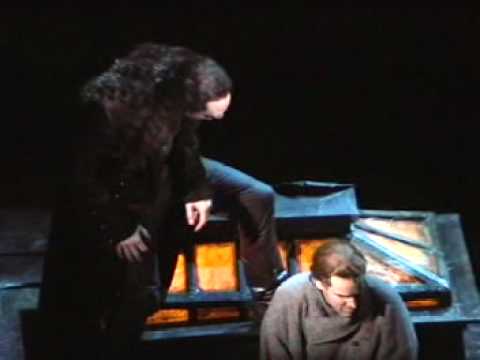
“After All This Time” is the venomous rooftop reckoning in Lestat, the 2006 Broadway musical based on Anne Rice’s Vampire Chronicles, with music by Elton John and lyrics by Bernie Taupin. Sung by Armand while Lestat reels, the number trades velvet for razors: a cool, scented gloat over ruin, framed as a hymn to delayed revenge. Drew Sarich originated Armand on Broadway opposite Hugh Panaro’s Lestat, and the song’s most-circulated recordings come from the show’s unreleased studio session and fan-traded videos. Onstage, it functions as a pivot - the moment Armand steps out of mystique and tells us plainly who he is when the mask slips.
Review and Highlights
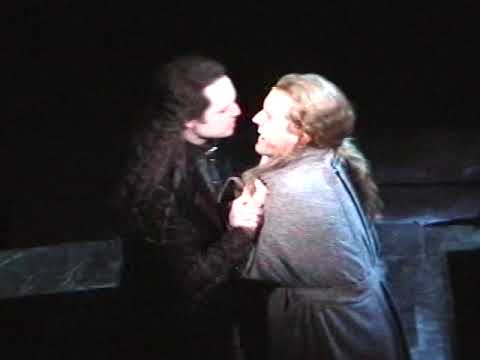
Quick summary
- Placement: Late in Act II, after Claudia’s death. Armand taunts a broken Lestat and withholds help.
- Creators and cast: Score by Elton John and Bernie Taupin. Drew Sarich originated Armand on Broadway; Hugh Panaro played Lestat.
- Function: A character aria of cruelty and clarity - Armand’s thesis on injury, pride, and payback.
- Release status: A cast-recording session was tracked in May 2006 but never officially released; audio circulates via fan uploads.
- Sound: Minor-key pop-theatre with piano spine, low strings, and a measured build toward a bitter refrain.
Creation History
Lestat began with a San Francisco tryout before moving to Broadway in spring 2006, carrying heavy rewrites between runs. The cast album was recorded near the end of the Broadway engagement, with the producers announcing a planned release that was later shelved after the closing notice. The musical still notched award nominations for acting and costumes even as critics panned the show. In that climate, “After All This Time” stood out as a clean hit of character work: the music tightens, the lyric sharpens, and Armand finally speaks without the haze.
Musically, the number favors restraint over fireworks. Elton John’s writing keeps the accompaniment taut - pulsing piano patterns, lightly pulsed percussion, and sustained harmonic pads rather than big guitar heroics. The melody sits in a baritenor pocket, saving its lift for the title hook. Taupin’s text is direct and sensory - “taste,” “scent,” “fragrant sea of loss” - pairing ritualistic language with the vocabulary of appetite. The cumulative effect is theatrical chiaroscuro: Armand in half-light, savoring Lestat’s despair like a sommelier dispensing notes.
Key takeaways:
- A precision character portrait: the aesthete as avenger.
- Pop-rock textures adapted to theatrical emphasis on text and timing.
- A late-game perspective shift that reframes earlier scenes and motivations.
- A showcase for Armand’s cool cruelty rather than Lestat’s bravado.
Song Meaning and Annotations
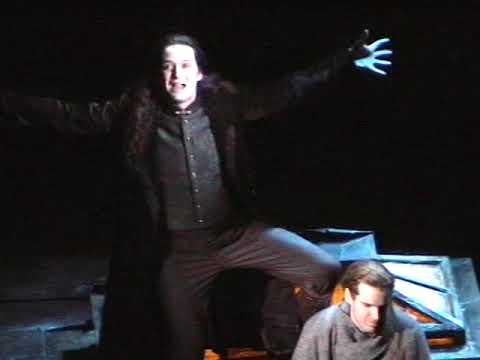
Plot
Context first. After Lestat’s trail of wreckage leads to Claudia’s execution by Armand’s coven, Lestat confronts Armand, hoping for aid or absolution. He gets neither. The scene plays like a trial without a judge. Armand recounts old slights, dismisses Lestat’s pain, and treats the moment as a rare vintage he will not rush. In staging, they are often elevated - a rooftop or ledge - which reads as both vantage point and precipice. The final beats propel Lestat toward a literal fall and the show’s closing tableau.
Song Meaning
This is a revenge hymn wearing incense. Armand distills years of grievance into a cool, sensory catechism and then washes his hands of the mess. The track strips away romance and frames vampirism as a society with rules, memories, and long held accounts. It also exposes a power dynamic inverted from earlier scenes: the number turns Lestat into the supplicant and Armand into the officiant, the one who decides where mercy begins and ends. By the time the chorus arrives, revenge is not just an action but a sacrament he is willing to praise.
Annotations
“What taste is this upon my lips? A taste so sweet, what can it be?”
He opens with palette. The gourmand metaphor is not accidental - Armand is savoring consequence like wine, positioning himself as a connoisseur of suffering. It signals that the pleasure here is aesthetic as much as ethical.
“To smell the fragrant sea of loss and drunkenly inhale his pain.”
Two swift moves: the synesthetic metaphor deifies sense, and the adverb “drunkenly” tips the confession into addiction. He is not in control so much as enthralled by the spectacle of fallen pride.
“And after all this time I wash my hands of your charade.”
A ritual gesture buried in a pop chorus. The line nods to liturgical theatrics - purification before departure. It also reduces Lestat’s previous posture to performance, undercutting the hero with a single word.
“And praise what god might manifest himself to beings such as us.”
Religion as tone, not theology. They are immortals bargaining with a distant deity for permission to revel in revenge. The mix of reverence and blasphemy echoes the series’ long habit of treating immortality as a form of fallen grace.
“You’re arrogant - beyond contempt.”
The mask drops. The rest of the verse becomes a ledger of injuries: requests denied, institutions shattered, a community displaced. It is not just personal resentment but civic anger from a leader whose order was wrecked by Lestat’s volatility.
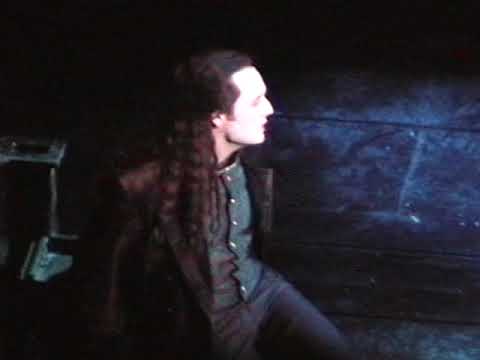
Genre and texture
Call it a pop-theatre incantation. The groove is steady, even stern, with harmonic motion in small turns. Rather than chase a huge belt, the vocal writing makes space for diction and bite. You can hear the score’s rock DNA in the piano-and-percussion engine, but the focus remains on the monologue - Armand’s syllables landing like taps on glass.
Emotional arc
Start: cool appraisal. Middle: accusation rising to contempt. End: ceremony - washing the hands, praising the god of revenge, claiming the prize at last. There is satisfaction, not catharsis. That choice keeps the scene cold enough to cut.
Cultural touchpoints
Anne Rice’s world situates immortality among art, ritual, and etiquette. This number mirrors that matrix: an aesthete leading a rite. In musical theatre, it sits near a certain lineage of antagonist arias - think of moments where the elegant villain states a code rather than twirls a mustache. The lyric’s sensuous cruelty places it closer to noir monologue than to monster howl.
Key Facts
- Artist: Elton John, Drew Sarich, Hugh Panaro
- Featured: Armand’s solo focus, with Lestat present in dialogue before the verses
- Composer: Elton John
- Producer: Guy Babylon and Matt Still for the studio session associated with the unreleased cast album
- Release Date: Cast album session tracked May 22, 2006; never officially released
- Genre: Pop-theatre, minor-key ballad with rock undertow
- Instruments: Piano, kit drums, electric bass, guitar, string pads
- Label: Mercury Records recorded the Broadway cast
- Mood: Icy, ceremonial, vindicating
- Length: Approximately 4 minutes in circulating studio audio
- Track #: 22 in commonly shared track orders
- Language: English
- Album: Lestat the Musical stage score
- Music style: Pop-rock ballad shaped as a confession
- Poetic meter: Accentual with frequent trochaic entries and iambic closes
Canonical Entities & Relations
People
- Elton John - composed the stage score for Lestat.
- Bernie Taupin - wrote the lyrics to the show.
- Drew Sarich - originated Armand on Broadway and performed this number.
- Hugh Panaro - originated Lestat on Broadway and plays the scene partner in dialogue.
- Linda Woolverton - wrote the book.
- Robert Jess Roth - directed the Broadway production.
- Susan Hilferty - designed costumes for the production.
- Carolee Carmello - played Gabrielle and received multiple award nominations.
Organizations
- Warner Bros. Theatre Ventures - producer of the Broadway run.
- Mercury Records - recorded the original Broadway cast session.
- The Broadway League - archival stats and awards via IBDB.
Works
- Lestat - Broadway musical adapted from Anne Rice’s novels.
- The Vampire Chronicles - literary source cycle.
Venues/Locations
- Curran Theatre, San Francisco - pre-Broadway tryout venue.
- Palace Theatre, New York - Broadway home for the 2006 run.
- Sony Studios, New York - site of the cast recording session.
Questions and Answers
- Where does the number sit in the narrative?
- Near the end of Act II, after Claudia’s death by the coven. Armand confronts Lestat and refuses aid, crystallizing a long rivalry into a single speech set to music.
- Who sings it and why does that matter?
- Armand sings it. Giving the song to Lestat’s rival flips perspective late in the show, shifting the emotional center of gravity and complicating audience loyalties.
- What does the refrain accomplish?
- It seals the ritual. “After all this time” suggests not just patience but a record of harm. The wash-my-hands image turns vengeance into ceremony, not impulse.
- How do the arrangements serve the character?
- They serve the voice and the text. The accompaniment is lean, leaving space for consonants and for Sarich’s cool attack, then widening slightly to elevate the final chorus.
- Is this a plot mover or a character study?
- Both. It doesn’t add new facts, but it reframes what we know and propels the final confrontation. The moral hierarchy we assumed earlier is gone by the last note.
- Did alternate performers sing it publicly?
- Yes. Circulating clips feature company members and alternates, including versions labeled with Sean MacLaughlin as Armand, alongside Sarich led renditions.
- Why is the song known if the album never came out?
- Because the session audio surfaced online from the recorded but unreleased cast album, and fan videos from the run kept the material in circulation.
- What theme from Rice is clearest here?
- Honor among immortals. The lyric treats community rules and pride as sacred texts, and revenge as a sacrament when those codes are broken.
- What makes it satisfying in performance?
- It is precision-tuned for bite: sensory imagery, steady build, and a chorus that feels like a gavel - concise, final, cold.
Awards and Chart Positions
The number itself was never issued as a commercial single and did not chart. The parent production, however, received multiple nominations in the 2005-06 season.
| Year | Award | Category | Nominee | Result |
|---|---|---|---|---|
| 2006 | Tony Awards | Best Performance by a Featured Actress in a Musical | Carolee Carmello | Nominated |
| 2006 | Tony Awards | Best Costume Design of a Musical | Susan Hilferty | Nominated |
| 2006 | Drama Desk Awards | Outstanding Featured Actress in a Musical | Carolee Carmello | Nominated |
| 2006 | Outer Critics Circle | Outstanding Actor in a Musical | Hugh Panaro | Nominated |
Additional Info
Production timeline. Lestat premiered in San Francisco in December 2005, transferred to Broadway where it opened in April 2006 at the Palace Theatre, and closed in late May after 33 previews and 39 performances. Despite the bruising response, the show entered awards season conversations for acting and design. That mixed legacy - nominations without a cast album - is part of why individual tracks like this one keep a cult footprint rather than a mainstream profile.
Recording status. Mercury Records recorded the original Broadway cast on May 22, 2006, produced by Guy Babylon and Matt Still, with a July release touted at the time. After closing, official statements indicated there were no plans to issue the record. In the years since, multiple uploads have kept the session takes available to listeners, typically labeled as demo or “cast album” tracks.
Role handoffs and alternates. Sarich’s Armand became a calling card for the actor. Circulating video also shows company members covering scenes or swapping in for select performances, reinforcing that the number works both as a character piece within the show and as a standalone baritenor showcase.
Why it sticks. Theatre seasons come and go. What remains are two or three songs that explain the characters better than a dozen scenes. Here, a few clean images - taste, scent, washing of hands - do the heavy lifting. The music respects that simplicity and holds the frame steady. The audience hears the verdict and feels the door close.
Sources: Playbill, Internet Broadway Database, TheaterMania, New York Theatre Guide, Variety, BroadwayWorld, Anne Rice official site, Wikipedia.
Music video
Lestat Lyrics: Song List
- Act 1
- From the Dead
- Beautiful Boy
- In Paris
- The Thirst
- Right Before My Eyes
- Make Me As You Are
- To Live Like This
- The Crimson Kiss
- Right Before My Eyes (reprise)
- Act 2
- Welcome to the New World
- Embrace It
- I Want More
- I'll Never Have That Chance
- Sail Me Away
- To Kill Your Kind
- Embrace It (Reprise)
- After All This Time
- Finale