Overture: Civilization Lyrics — Adventures of Tom Sawyer, The
Overture: Civilization Lyrics
Song Overview
Review and Highlights
Quick summary
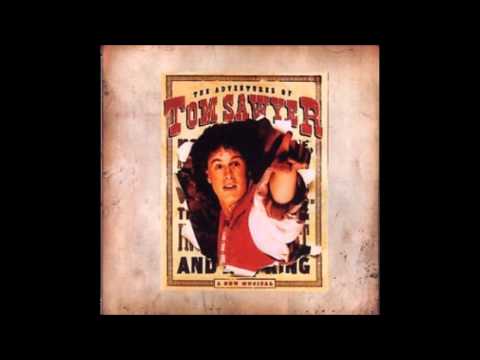
- What it is: An orchestral curtain-raiser for The Adventures of Tom Sawyer, the 2001 Broadway musical (book by Ken Ludwig; music and lyrics by Don Schlitz).
- Function onstage: A scene-setting overture that puts the town and its rules on the table before Tom starts poking holes in them.
- Where it appears: Act I, first musical number - an overture, so the orchestra gets the first word.
- Style: Americana-meets-theatre-pit writing: bright brass, nimble reeds, and a rhythmic gait that can swing from parade to mischief in a bar or two.
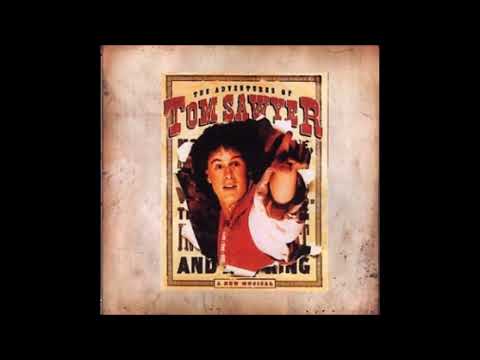
The Adventures of Tom Sawyer (2001) - stage musical - non-diegetic. Act I opener (overture), prior to "Hey, Tom Sawyer". What it does: it frames St. Petersburg as a place of tidy rules and public manners, so Tom can spend the next two hours wriggling out of them. The title gives the game away - "civilization" is the grown-up story the town tells itself, and the orchestra gets to wink at it before any character speaks.
As theatre craft, the overture reads like a program note you can hum. It sketches the show’s musical palette - folk-leaning turns, spry dance rhythms, and a clean Broadway shine - then hands the baton to the opening chorus. I like overtures that do not just quote tunes but argue with them; this one is less a souvenir medley than a mood-setter, a tidy public face that suggests mischief is already under the porch.
Creation History
The score for The Adventures of Tom Sawyer was written by Don Schlitz, a Nashville songwriter crossing into Broadway, with Ken Ludwig shaping the book. The show developed over years before its Broadway run in spring 2001, and the musical’s out-of-town tryout premiered in New Haven on February 28, 2001, before opening at the Minskoff Theatre on April 26, 2001. In that context, an overture titled "Civilization" feels like a mission statement: start with the town, then let Tom test it. As stated in The New York Times, the book condenses the novel with a brisk narrative drive, and the score offers a set of "winning tunes" - the overture is the doorway into that sound world.
Song Meaning and Annotations
Plot
Because it is an overture, the "plot" is architectural: it ushers us into 1840s Missouri, sets a civic tempo, and primes the audience for a show where community norms (church, school, decorum) clash with a boy who treats every rule as a negotiation. The next number, "Hey, Tom Sawyer," cashes that setup in loud, literal terms.
Song Meaning
"Civilization" is the thing Tom lives near, not the thing he lives for. The title carries Twain’s old American joke: society calls itself civilized, but it still runs on gossip, fear, and public punishment. The orchestra, free of dialogue, can play both sides - a polished surface with little rhythmic snags that hint at trouble. You can hear how a march can turn into a scamper: the town straightens its tie, and Tom loosens it.
Annotations
Title as thesis: Calling the overture "Civilization" puts the town on trial before the first lyric.
That is classic musical-theatre framing. When the title names an idea, the orchestra is asked to stage that idea. Here, "civilization" can be rendered as clean cadences and predictable phrases - and then nudged off-balance with quick turns and teasing accents.
Non-verbal character work: An overture can define Tom before he appears - not by melody alone, but by pacing.
If the writing keeps pivoting from square to sly, it is already describing a kid who will sell you your own paintbrush. The score does not need to quote a future song to sketch a future habit.
Americana sheen: The sound points to a public square: parades, church steps, schoolhouse energy.
That matters because the show trades in communal spaces. Even when the plot goes dark later (graveyard, cave), the first musical scent is sunlit and social. The contrast sharpens everything that follows.
Rhythm and drive
The overture’s engine is its rhythmic gait - the kind that can support choreography if needed, but more importantly, can support stage traffic: townspeople entering, the world assembling, the story clock starting. It is less about virtuoso display than about getting an audience to lean forward.
Cultural touchpoints
Twain’s America is always half sermon, half hustle. A Broadway pit translating that into music will usually mix folk-friendly gestures with formal theatre punctuation - a musical handshake that says, "you know this world," followed by a raised eyebrow that says, "but watch it."
Technical Information (Quick Facts)
- Song: Overture: Civilization
- Artist: The Adventures of Tom Sawyer - Original Broadway Cast (orchestra)
- Featured: None (instrumental)
- Composer: Don Schlitz
- Producer: Not reliably published for the private/reference recording
- Release Date: 2001 (show opened April 26, 2001; the cast recording is commonly circulated as an unreleased/private item)
- Genre: Musical theatre; Americana-influenced orchestral overture
- Instruments: Orchestra (pit ensemble)
- Label: Not reliably published
- Mood: Public-facing brightness with mischief in the corners
- Length: Not reliably published
- Track #: Act I opener
- Language: Instrumental
- Album: Reference/private cast recording circulation
- Music style: Broadway overture with folk-Americana gestures
- Poetic meter: Not applicable (instrumental)
Frequently Asked Questions
- Is "Overture: Civilization" sung by any character?
- No - it is written for orchestra, functioning as a curtain-raiser before the first vocal number.
- Where does it sit in the show?
- It opens Act I, setting the tone and the town, then hands off to "Hey, Tom Sawyer."
- Why call an overture "Civilization"?
- Because the show is partly about a community policing manners, and a boy testing the fences - sometimes literally. The title makes that tension the first idea in the air.
- Does it quote other melodies from the score?
- Some overtures are medleys, others are mood machines. In performance, you can treat it as a palette-setter even if direct quotations are subtle or saved for later.
- What style should a conductor aim for?
- Keep the public-square pulse clear, then let the little rhythmic turns read as comic side-eye. The overture is where you earn trust that the storytelling will move.
- How should a director stage it?
- You can play it straight (curtain down, pure listening) or use it for tableaus of the town. Either way, it should smell like order - so Tom's disorder lands.
- Is there a definitive commercial cast album?
- Public listings frequently describe the Broadway recording as unreleased/private circulation rather than a standard retail album.
- Does it have chart history or certifications?
- Not that reputable public chart archives commonly report for this recording.
- What comes right after it?
- "Hey, Tom Sawyer" - the communal welcome that turns the overture's civic frame into flesh-and-blood neighbors.
- What is the quickest way to explain its job to a student orchestra?
- "You are building the town in sound - clean lines, bright color, and a hint that the kid will outsmart the adults."
Awards and Chart Positions
"Overture: Civilization" is part of a show whose Broadway run was brief (April 26, 2001 to May 13, 2001), but the production still collected major-design nominations. The musical received 2001 Tony nominations for Scenic Design (Heidi Ettinger) and Lighting Design (Kenneth Posner), plus Drama Desk nominations including Outstanding Orchestrations (Michael Starobin). Joshua Park received a 2001 Theatre World Award. No widely documented chart peaks or certifications are associated with the overture or the circulating recording.
| Award body | Year | Recognition | Named recipient(s) |
|---|---|---|---|
| Tony Awards | 2001 | Nominations | Heidi Ettinger (Scenic Design), Kenneth Posner (Lighting Design) |
| Drama Desk Awards | 2001 | Nominations | Michael Starobin (Orchestrations), plus design categories |
| Theatre World Awards | 2001 | Win | Joshua Park |
Additional Info
The show’s creative backstory is unusually instructive for this overture: MTI notes the project’s roots in a Nashville songwriting setting and Schlitz writing far more material than a Broadway score finally needs. That long development cycle can show up in an overture that feels "settled" - confident about the world it is introducing. According to MTI, the Broadway version also softens Twain’s darker ending, steering the evening toward communal celebration rather than grim inevitability; that choice makes the opening "Civilization" framing less cynical and more playable as warm satire.
Key Contributors
| Entity | Type | Relationship (S-V-O) |
|---|---|---|
| Don Schlitz | Person | Schlitz composed and wrote lyrics for The Adventures of Tom Sawyer. |
| Ken Ludwig | Person | Ludwig wrote the book for The Adventures of Tom Sawyer. |
| Mark Twain | Person | Twain wrote the source novel The Adventures of Tom Sawyer (1876). |
| Michael Starobin | Person | Starobin orchestrated music for the Broadway production. |
| Paul Gemignani | Person | Gemignani served as musical director for the Broadway production. |
| Minskoff Theatre | Venue | The production opened at the Minskoff Theatre on April 26, 2001. |
| Music Theatre International | Organization | MTI licenses The Adventures of Tom Sawyer for performance. |
Sources
Sources: Music Theatre International show notes, Internet Broadway Database production record, The New York Times theatre review archive, StageAgent song list page, Wikipedia production summary, Ovrtur recording entry
Adventures of Tom Sawyer, The Lyrics: Song List
- Act 1
- Overture: Civilization
- Hey, Tom Sawyer
- Here's my Plan
- Smart like That!
- Hands all Clean
- The Vow
- Raising A Child by Yourself
- Old Hundred
- In The Bible
- It Just Ain't Me
- To Hear You Say My Name
- Murrell's Gold
- The Testimony
- Act 2
- Ain't Life Fine
- This Time Tomorrow
- I Can Read
- Murrell's Gold (Reprise)
- Angels Lost
- Light
- Angels Lost (Reprise)
- Light (Reprise)
-
Finale