How to Dance in Ohio Lyrics – All Songs from the Musical
How to Dance in Ohio Lyrics: Song List
- Today Is, Pt. 1
- Today Is, Pt. 2
- Under Control
- The How-to’s
- How to Dance in Ohio
- Unlikely Animals
- Butterflies
- Slow Dancing
- Getting Ready for the Dance
- Waves and Wires
- Drift
- Terminally Human
- So Much In Common
- Chevy Silverado
- Reincarnation
- Nothing At All
- Building Momentum
- Building Momentum (Reprise)
- Finale
About the "How to Dance in Ohio" Stage Show
How to Dance in Ohio is a heart-filled new musical based on the Peabody Award-winning documentary of the same name that explores what it means to belong, the courage it takes to put yourself out in the world, and the universal need to connect. Set at a counseling center in Columbus, How to Dance in Ohio follows seven autistic young adults as they come of age and find their ways in the world.Release date: 2023
"How to Dance in Ohio" – The Musical Guide & Song Meanings
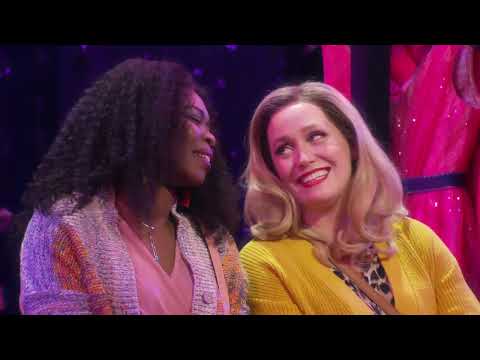
Review: can a musical dramatize connection without turning people into “lessons”?
This show’s central gamble is almost perversely un-Broadway: it wants you to clap for incremental progress. Not a diva transformation, not a plot twist, but the micrometrics of courage. Inspired by Alexandra Shiva’s 2015 documentary, “How to Dance in Ohio” builds its storytelling around seven autistic young adults preparing for a spring formal, with the counseling center as both literal setting and musical engine. The score leans into patterns, repetition, and procedural language, and then uses those tools to expose longing: the wish to be seen clearly, not translated by someone else.
Lyricist-bookwriter Rebekah Greer Melocik writes in plain speech and carefully chosen specificity. That matters because the show is allergic to vagueness. When Drew sings about social cues as a system he cannot reliably parse, the lyric is not decorative, it is diagnostic. When Remy rails at inspiration-porn framing, the lyric is not “message,” it is self-defense. Composer Jacob Yandura’s music supports that approach: clean contours, pop-theatre propulsion, and just enough harmonic lift to make a small decision feel like a big leap. The overall effect can be uneven when subplots crowd the main line, but the best songs land with a kind of practical tenderness that stays in the body.
How it was made
Development began with a formidable name attached: Harold Prince. In early development reporting, Prince was set to direct, with Yandura and Melocik writing music and book-and-lyrics, and playwright Bess Wohl also connected to an early version. Prince workshopped and annotated the piece extensively before his death in 2019, and the creative team recorded meetings and kept his notes as a working compass. Director Sammi Cannold later took the reins, drawing on those materials while shaping a new-work Broadway debut built around neurodivergent representation.
The musical premiered at Syracuse Stage in September 2022, a notable step because it centered autistic performers in autistic roles. That run was cut short due to COVID cases within the company, an early reminder that “community” is both the show’s theme and its logistical vulnerability. The Broadway production opened at the Belasco Theatre on December 10, 2023 and closed February 11, 2024. The cast recording followed quickly: digital release January 19, 2024, with a physical release announced for February 2024.
Key tracks & scenes
"Today Is, Pt. 1 / Pt. 2" (Company)
- The Scene:
- Morning routines. Alarms stack, a clock ticks, a shower runs. The stage brightness is unapologetic, like a fluorescent honesty lamp. The day starts whether you are ready or not.
- Lyrical Meaning:
- The opening establishes the show’s grammar: time as pressure, repetition as survival, and “today” as a series of manageable units. The lyric treats routine as a victory rather than a prison.
"Under Control" (Drew)
- The Scene:
- A kid with an elite college acceptance is not celebrating. He is negotiating. The number plays like an internal spreadsheet, with the room around him becoming secondary to the variables in his head.
- Lyrical Meaning:
- Drew’s core conflict is autonomy framed as risk. The lyric doesn’t romanticize anxiety; it itemizes it. “Control” becomes both comfort and constraint, which is exactly why the song stings.
"Unlikely Animals" (Marideth)
- The Scene:
- A diner counter, ambient clinks, chatter, and the little bell of the order system. Marideth talks about animals as her father tries to talk about feelings. The lighting feels observational, not spotlight-hungry.
- Lyrical Meaning:
- Marideth’s metaphors arrive sideways: animals as safe language for social ecosystems. The lyric suggests that “topic drift” can be communication, not evasion, if you bother to listen.
"Butterflies" (Group)
- The Scene:
- Back at the center. A ball is tossed between characters, and a metronome ticks as they practice counting. The rhythm is visible and audible, like choreography for nervous systems.
- Lyrical Meaning:
- This is the show’s most overt conversion of therapy mechanics into musical theatre. “Butterflies” makes anticipation physical, and treats structure not as a buzzkill but as a bridge.
"Getting Ready for the Dance" (Johanna & Terry)
- The Scene:
- Parents in dress-shopping territory, nostalgia in the air, and the practical questions (zippers, tags, comfort) fighting with the emotional ones (will my kid be okay?). Shiny dresses and mylar surfaces catch light without becoming a disco gag.
- Lyrical Meaning:
- The lyric refuses to make parents villains. It frames them as people learning a new definition of protection: less control, more trust, and a willingness to be corrected.
"Waves and Wires" (Drew)
- The Scene:
- Visual design turns cognitive motion into stage language: letters made of bulbs animate rapidly in horizontal and vertical paths, brightening as the song tightens. It is a brain diagram you can hear.
- Lyrical Meaning:
- Drew articulates the seduction of numbers: clarity, consistency, and rules that do not shift mid-conversation. The lyric makes romance feel like applied physics, which is funny until it is suddenly not.
"Drift" (Marideth)
- The Scene:
- Act two begins with a jolt, then softens into Marideth’s inward pivot as she processes a new feeling she does not have a script for. The staging narrows the world down to thought and breath.
- Lyrical Meaning:
- “Drift” is the show’s quiet thesis about change: you can move without choosing to. The lyric captures the scary part of tenderness, the way it rearranges your priorities while you are looking elsewhere.
"Nothing at All" (Remy)
- The Scene:
- A nightclub grid of reflections, bright phone flashlights, and movement that edges toward the audience. The aesthetic is louder, busier, riskier, because the moment demands confrontation.
- Lyrical Meaning:
- Remy rejects being used as someone else’s motivational content. The lyric’s anger is not a detour; it is a boundary. The song insists that representation without agency is just another costume someone else picked out.
"Building Momentum" (Drew)
- The Scene:
- After plans collapse, Drew decides to build a new one. The stage language shifts from reaction to propulsion, and the number functions like a reset button that still honors what went wrong.
- Lyrical Meaning:
- The show’s title is about dancing, but the musical’s obsession is actually iteration. “Building Momentum” turns the smallest actionable step into a chorus. It is not triumph; it is forward motion with receipts.
Live updates 2025-2026
Broadway status: the original Broadway production played the Belasco Theatre, opening December 10, 2023 and closing February 11, 2024. The Original Broadway Cast Recording released digitally on January 19, 2024, with a physical release slated for February 2024, and the track list runs 19 tracks including “Today Is,” “Waves and Wires,” “Nothing at All,” and “Finale.”
United Kingdom status: producers announced a U.K. premiere for 2025, with a venue to be announced, plus an international casting search for the seven autistic core roles. As of January 27, 2026, public-facing listings and the show’s official site still emphasize the U.K. plan but do not publish a confirmed venue or dates, which suggests a delay or an unannounced schedule.
Licensing status: the title appears on Music Theatre International’s site, which is usually the clearest signal that the show is being positioned for future productions beyond Broadway. That matters for anyone hunting “lyrics” because it often correlates with sanctioned materials, approved performance versions, and a stabilized song list.
Notes & trivia
- The Broadway run logged 27 previews and 72 performances, opening December 10, 2023 and closing February 11, 2024.
- The cast recording track list is 19 tracks and includes two parts of “Today Is,” plus a “Building Momentum (Reprise)” and “Finale.”
- The show began development with Harold Prince, who staged early workshops and left extensive notes; Cannold later used those materials as a guiding archive.
- The Syracuse Stage world premiere (September 2022) ended early after COVID cases in the company, with the final performance reported as October 1, 2022.
- A sensory advisory guide flags specific sound and light moments, including alarms in “Today Is,” animated letter-bulb effects in “Waves and Wires,” and phone-flashlight choreography in “Nothing at All.”
- MTI highlights that the “Authentic Autistic Representation Team” won a 2024 Drama Desk Special Award.
- The Broadway marketing and press around the show repeatedly foregrounded the “nothing about us without us” principle as an artistic constraint, not a slogan.
Reception then vs. now
Critics tended to agree on the same paradox: the show is culturally important and frequently moving, and it can still feel structurally crowded. Some reviews praised the cast and the representation while noting the book’s occasional detours away from the seven leads. In other words, the musical’s strongest argument is also its most fragile element: focus.
“A joyful and uplifting new musical.”
“Social cues are too confusing / But numbers are clear.”
“I like to socialize but don’t know how.”
Quick facts
- Title: How to Dance in Ohio
- Year: Broadway opening 2023; cast recording 2024
- Type: Contemporary Broadway musical adapted from documentary
- Book & Lyrics: Rebekah Greer Melocik
- Music: Jacob Yandura
- Director (Broadway): Sammi Cannold
- Choreography: Mayte Natalio
- Orchestrations: Bruce Coughlin
- Music Direction: Lily Ling
- Broadway theatre: Belasco Theatre
- Broadway run: Nov 15, 2023 (first preview) to Feb 11, 2024 (closing)
- Cast album: Original Broadway Cast Recording, 19 tracks, released January 19, 2024
- Label: Center Stage Records
- Notable staging motifs: countdown clock; bulb-letter environment; dance-night reflective elements
Frequently asked questions
- Who wrote the lyrics for How to Dance in Ohio?
- Rebekah Greer Melocik wrote the book and lyrics, with music by Jacob Yandura.
- Is the cast recording track list confirmed?
- Yes. Playbill published the full 19-track list for the Original Broadway Cast Recording, including “Waves and Wires,” “Nothing at All,” and “Finale.”
- Where do the key songs happen in the story?
- “Today Is” plays over morning routines; “Waves and Wires” externalizes Drew’s logic-and-romance conflict with animated lighting; “Nothing at All” erupts after an ableist media framing in the plot; “Building Momentum” is the recommitment to throwing a second dance.
- Is it touring in 2026?
- No official touring schedule is confirmed in the sources cited here. The clearest forward-looking announcements have focused on a U.K. premiere plan that was announced for 2025 with a venue still to be named.
- Is the show sensory friendly?
- The production published a sensory advisory guide that flags loud sound effects (phones, cars, club sounds) and bright, reflective stage elements (mylar, disco balls, moving lights), along with specific moments by song.
- Can schools or regional theatres license it?
- The title appears on MTI’s site, which generally indicates it is being handled for licensing and future productions, subject to standard restrictions and approvals.
Key contributors
| Name | Role | Contribution |
|---|---|---|
| Rebekah Greer Melocik | Book & lyricist | Builds the show’s plainspoken, high-specificity lyric language and adaptation structure. |
| Jacob Yandura | Composer | Pop-theatre score with motif-driven repetition and character-forward rhythm. |
| Sammi Cannold | Director | Shaped the Broadway staging and carried forward Harold Prince’s development archive. |
| Mayte Natalio | Choreographer | Movement language that treats dance as access, not polish. |
| Bruce Coughlin | Orchestrator | Orchestrations supporting a contemporary, clarity-first sound. |
| Lily Ling | Music director | Musical leadership for the Broadway production. |
| Michael J. Moritz Jr. | Cast album producer | Produced the Original Cast Recording (as credited by the label). |
Sources: IBDB, Playbill, Time Out New York, Entertainment Weekly, New York Theatre Guide, Syracuse Stage, MTI, Broadway News, Official show website, Center Stage Records/Broadway Records.