That's What Kids Do Lyrics – All Songs from the Musical
That's What Kids Do Lyrics: Song List
About the "That's What Kids Do" Stage Show
Lyrics and music composed by Cathy Block. The premiere of the revue was held in October 2000 in Doylestown. In August 2001, the album was recorded from the numbers of the show. In early September 2001, in Princeton, NJ were held 4 stagings of the production. In October 2001, the revue presented within the framework of ‘TEMPO!’, created in Pennsylvania. In October 2003, the theatrical was shown in Quakertown’s Main Street Theatre. It survived for 4 exhibitions. The spectacular was directed and choreographed by K. Lewis. Passing within the ‘TEMPO!’ in 2003, the show was filmed for WLVT. In July 2008, the revue was shown in Pennsylvania’s Sellersville Theater. Then production took place in the Bristol Riverside Theatre.In July 2009, there was provided a continuation of the show – ‘Steps’ (‘That's What Kids Do II’). In October 2009, the original histrionics was shown in Bristol Riverside Theatre. At the end of October 2009, the show took place in Newtown Theatre. In the season 2014-2015, Bristol Riverside Theatre hosted the revue again. The only country except of the USA where the histrionics was made, was the Republic of South Africa.
Release date: 2009
"That's What Kids Do!" – The Musical Guide & Song Meanings
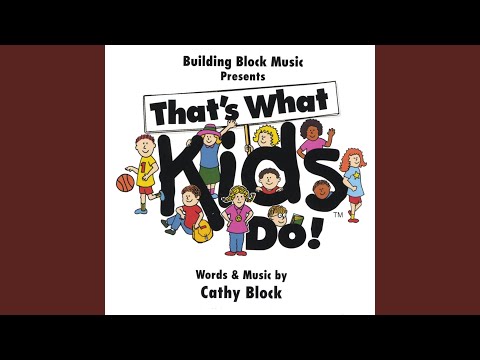
Review
Most “kids’ musicals” do one of two things: teach a moral, or manufacture cuteness. “That’s What Kids Do!” goes after a trickier target. It tries to be accurate. The score’s charm comes from how often it refuses to talk down to its characters. These kids are funny, petty, nervous, imaginative, and occasionally savage. They also have time. That last part is the secret. The lyrics treat childhood as an entire ecosystem, where cafeteria food can be a crisis and being left out of a party can feel like exile.
The writing works because the show’s world is specific: bus stop chatter, classroom daydreaming, playground politics, homework rebellion. The songs are short enough to keep the attention of a young cast, but pointed enough that adults catch the subtext. “Give the Girls a Break!” and “Our Way” are basically a gender war staged as a call-and-response. “Homework Blues” makes a small complaint feel epic, which is exactly how it feels when you are nine. The title song is the show’s brand statement: when the kids do something impulsive, the lyric is not judging them. It is shrugging with affectionate clarity.
Musically, the piece leans pop and contemporary children’s music, with hooks that play well in unison and harmonies that let an ensemble sound bigger than its budget. Dramaturgically, the show is built like a school year mixtape. That means it does not “build” toward a single twist. It accumulates moments until the final number reframes them as a message worth saying out loud.
How it was made
This show has a refreshingly practical origin story. The Living Green Children’s Chorus was formed in late 1999 as a performance group whose benefit concerts raised awareness and funds for land preservation. After several benefit concerts between January and June 2000, the chorus premiered “That’s What Kids Do!” in October 2000 to a sold-out house, then completed recording the companion CD soon after. The piece was built to be performed by kids, and the licensing pitch never pretends otherwise: minimal sets, flexible casting, lots of principal moments, and the kind of songs that children will replay until the adults in the home negotiate a ceasefire.
By 2009, the show’s life had expanded into a regional family-programming lane, including performances promoted for Bristol Riverside Theatre in October 2009. In the same ecosystem, a follow-up titled “Steps (That’s What Kids Do 2)” appeared as a family musical about the journey from childhood to adolescence, with July 2009 dates listed in Philadelphia-area coverage. The takeaway is simple: this is not a Broadway-to-tour pipeline title. It is a school-and-community pipeline title, designed to travel through youth programs and family seasons because it understands its own scale.
Key tracks & scenes
"The Night Before" (Ensemble)
- The Scene:
- The night before the first day of school. Kids bustle, parents get “driven crazy,” and the stage feels like a household running on nervous electricity. Bright, busy lighting works well here, like a kitchen that never sleeps.
- Lyrical Meaning:
- Anticipation as chaos. The lyric captures how kids turn tomorrow into a full-body event, while adults pretend it is “just school.” It sets the show’s tone: honest feelings, fast jokes.
"That's What Kids Do!" (Ensemble)
- The Scene:
- At the bus stop, morning chatter about summer break. A late summer shower hits, shoes come off, and the song turns weather into permission. The staging wants open space, playful movement, and the feeling of a spontaneous parade.
- Lyrical Meaning:
- The title is an alibi and a celebration. The lyric defends kid logic: curiosity, impulsiveness, the refusal to stay dry when joy is available.
"Long Walk From Kindergarten" (Kelly and Joe)
- The Scene:
- First-graders hunting for their new classroom. The hallway is suddenly enormous. A simple set shift (or even a few rolling lockers) makes the “walk” feel epic.
- Lyrical Meaning:
- Growing up as geography. The lyric turns a small transition into a rite of passage. It is sweet, but it is also real: kids measure courage in footsteps.
"Cool" (Zak and Friends)
- The Scene:
- A group of older girls debates Zak’s “coolness factor.” He claims it runs in the family, then the others back him up like a jury that has already decided. This number thrives on spotlight confidence and choreographed swagger.
- Lyrical Meaning:
- “Cool” is treated as social currency. The lyric is funny because it is sincere. Kids really do build status systems out of nothing and call them destiny.
"She'd Appreciate It" (Hannah)
- The Scene:
- At home, left behind while big sister is at school and Mom is busy. Hannah and her teddy bear become a two-person world. Softer lighting helps, like late-morning quiet after everyone leaves.
- Lyrical Meaning:
- Loneliness disguised as generosity. The lyric lists “wonderful things” she will do for her sister, which is a kid’s way of asking to matter.
"Cafeteria Food" (Kaz and Ensemble)
- The Scene:
- A surreal lunchroom moment: the cast is groaning on the floor as if struck by a culinary curse, then “comes back to life” to sing. Play it like a mock horror movie under fluorescent school lights.
- Lyrical Meaning:
- Complaint as community bonding. The lyric turns gross lunch into a shared anthem, which is how kids survive it: together, loudly.
"Homework Blues" (Maggie and Class)
- The Scene:
- Teacher assigns one more thing. Maggie snaps, then the class joins the revolt. Staging can tighten into rows of desks and a collective slump, then break into motion as the frustration turns musical.
- Lyrical Meaning:
- Overload gets a chorus. The lyric treats the workload as unfair, not challenging, because that is what it feels like when your free time is confiscated.
"The Note" (Mary)
- The Scene:
- Kids get caught passing a note. Teacher orders Mary to “share the note,” and she is mortified. This wants a hot spotlight and the sound of the room going quiet.
- Lyrical Meaning:
- Public humiliation, kid-sized. The lyric captures the terror of forced vulnerability, when private language gets dragged into daylight.
"Shout the Message!" (Rachel and Company)
- The Scene:
- Zoe’s party becomes a “Future World project” workshop. Big ideas fly: schools that start at noon, flying hat transporters. Rachel closes the show with a big-hearted final push. Let the lighting widen as the ensemble locks into unity.
- Lyrical Meaning:
- The show turns outward. The lyric argues that kids are not “practice humans.” They have opinions now, and they deserve to be heard now.
Live updates
Information current as of February 2026.
There is no touring brand to track here, and that is the point. “That’s What Kids Do!” is built for school and youth-group ecosystems, and the official licensing package is still described as available, with rehearsal tracks, scripts, sheet music, and cast CDs. The recording has also migrated to modern listening habits: the album is on Spotify, and YouTube hosts official audio uploads and a channel with staged “scenes” clips.
The most time-stamped production burst in the public record remains the 2009 Philadelphia-area family-programming lane, including announcements for Bristol Riverside Theatre performances in October 2009 and listings for “Steps (That’s What Kids Do 2)” in July 2009. If you are looking for a “current cast,” you will not find one official company. What you will find is a title engineered to be performed by kids, again and again, wherever a school can clear a classroom, borrow a few chairs, and hand the hook to an ensemble.
Notes & trivia
- The Living Green Children’s Chorus was created in late 1999 and performed benefit concerts in early 2000 before premiering the show in October 2000.
- The official synopsis places the show entirely in school life: bus stop, classroom, playground, lunchroom, parties, and projects.
- The published scene-by-scene synopsis ties every song to a specific story beat, which makes the piece unusually easy to stage without guesswork.
- The 2009 news page promoted October 2009 performances at Bristol Riverside Theatre and additional dates at the Newtown Theatre.
- A sequel title, “Steps (That’s What Kids Do 2),” was listed with July 11 to 17, 2009 dates, described as a family musical about growing from childhood into adolescence.
- The licensing pitch emphasizes minimal sets and costumes, and lots of principal moments for a large youth cast.
- On Spotify, the album appears as a 2001 release with 32 tracks, including short scene links that play like transitional dialogue.
Reception
Professional critique around this title tends to show up as “useful praise,” the kind you put in a licensing packet because it answers the real question: will kids and families enjoy this? The quoted reactions are consistent. The music is described as upbeat and empowering. The lyrics are singled out as intelligent and witty. The framing comparison, “A Chorus Line for kids,” is cheeky, but it gets at the show’s structure: an ensemble portrait told through a sequence of small, very recognizable problems.
“Upbeat, Empowering and fun...”
“Block's intelligent and witty lyrics are a wonderful match for her charmingly varied music.”
“The score is infectious and delightful, and it makes one long to be a kid again.”
Quick facts
- Title: That’s What Kids Do!
- Year (public production burst): 2009 (Philadelphia-area family programming announcements); premiered 2000
- Type: Family musical for young performers
- Words & music: Cathy Block
- Setting: A school year, from the night before the first day through classroom and playground episodes to a future-world finale
- Song count (show): 14 core songs with scene links in the official synopsis
- Album / recording: “That’s What Kids Do!” album appears as a 2001 release on Spotify and as official audio uploads on YouTube
- Selected notable placements: “The Night Before” opens; title song is the bus stop and rain-shower release; “Cafeteria Food” is the lunchroom surreal gag; “The Note” is the classroom embarrassment peak; “Shout the Message!” closes at Zoe’s party via future-world projects
- Label / rights branding: Building Block Music (as credited on official materials)
- Availability: Licensing materials described as available via the official site; album available via streaming
Frequently asked questions
- Is this a musical for kids to watch or for kids to perform?
- Both, but it is designed to be performed by kids. The licensing language highlights an ensemble cast, many featured roles, and minimal production requirements.
- Does the show have a clear plot?
- Yes, but it is episodic. The official synopsis frames it as a school-year journey: first day nerves, social status battles, homework overload, party exclusion, classroom daydreaming, and a final “future world” project that brings everyone together.
- How many songs are in the show?
- The show’s core version lists 14 songs, and the official synopsis places each one in a specific scene so directors can track the story beats easily.
- What is the emotional center of the piece?
- It treats childhood feelings as valid: excitement, embarrassment, loneliness, pride, and frustration. The finale turns that into a civic statement, asking kids to speak up and be heard.
- Is there a sequel?
- A follow-up titled “Steps (That’s What Kids Do 2)” is listed in 2009 coverage as a family musical about moving from childhood into adolescence.
- Where can I hear the music legally?
- The album is available on Spotify, and YouTube hosts official audio uploads credited to the distributor.
Key contributors
| Name | Role | Contribution |
|---|---|---|
| Cathy Block | Writer / Composer / Lyricist | Created the show’s 14-song core, with school-life scenes mapped song-by-song in the official synopsis. |
| The Living Green Children’s Chorus | Original performance ensemble | Formed in 1999; premiered the show in 2000 and recorded the companion album soon after. |
| Building Block Music | Rights / branding | Credited on official materials for the show and recording distribution. |
| Bristol Riverside Theatre | Presenter (2009) | Hosted a promoted 2009 performance window as part of family programming. |
| Theatre Arts Center | Youth-theatre presenter | Listed in 2009 announcements as a producing partner/presenter of the show in regional family programming. |
| YouTube / Spotify | Distribution platforms | Current listening access points for the album and official audio uploads. |
Sources: Official “That’s What Kids Do!” site (synopsis, lyrics list, licensing quotes, 2009 news); TheaterMania (Philadelphia-area 2009 listings); BroadwayWorld (Bristol Riverside Theatre family-programming announcement); CathyBlock.com (show overview); Spotify and YouTube (album availability).