Subways Are for Sleeping Lyrics – All Songs from the Musical
Subways Are for Sleeping Lyrics: Song List
- Act 1
- Subways Are for Sleeping
- Girls Like Me
- Station Rush
- I'm Just Taking My Time
- I Was a Shoo-In
- Subway Directions
- Ride Through the Night
- Who Knows What Might Have Been?
- Swing Your Projects
- Strange Duet
- I Said It and I'm Glad
- Be a Santa
- Act 2
- Subway Incident
- How Can Your Describe a Face?
- I Just Can't Wait
- Comes Once in a Lifetime
- What Is This Feeling in the Air?
- Subways Are for Sleeping (Finale)
- Other Songs
- Getting Married
- I'm Just Taking My Time
- I'm Just Taking My Time (Reprise) (I Walk a Little Dog)
- Hey, Charlie, Let's Talk
- Life's Not That Simple
- Man With a Plan
About the "Subways Are for Sleeping" Stage Show
The music for the show wrote J. Styne. The libretto and lyrics were composed by A. Green & B. Comden, accordingly. Pre-Broadway run took place in November 1961 in Philadelphian Shubert Theatre. From late November to mid-December 1961, the histrionics was in Boston Colonial Theatre. Try-outs on Broadway began in late December 1961. Five days before the New Year in St. James Theatre was the premiere of the play. The last performance was in June 1962 after 2 preliminaries & 205 regular performances. Production was realized by the director and choreographer M. Kidd. Scenography has been designed by W. S. Armstrong. Costumes made F. Wittop. The main roles in the theatrical performed C. Lawrence & S. Chaplin. Other actors were: C. Young, P. Newman, O. Bean, J. Sharpe, G. Connell & G. Varrone. In the XXI century, Opening Doors Theatre Company carried out a new production. The musical was held in New York’s Duplex Cabaret Theatre in November 2009, directed by H. Coris and choreographed by D. Funes. The cast involved S. Plachy, E. Cronican, S. M. Harrison & L. Windsor. In 1961, they carried out a record of album with members of the Broadway show. In 1962, production received three Tony Award nominations, winning one.Release date: 1961
"Subways Are for Sleeping" – The Musical Guide & Song Meanings
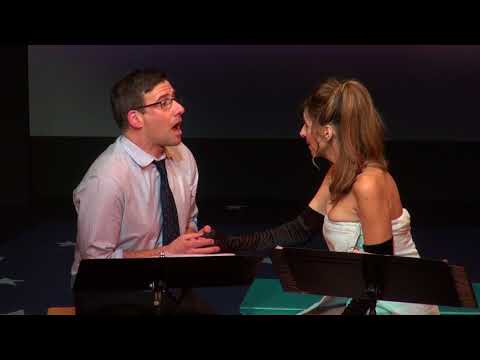
Review: what the lyrics are really selling
What do you call a musical that wants to be a love letter to New York, and also a comedy about people sleeping wherever they can? “Subways Are for Sleeping” answers with a bright grin, then lets the grin wobble. Betty Comden and Adolph Green write in their familiar Manhattan shorthand: fast jokes, civic pride, and characters who talk like they have a metro card in one hand and a punchline in the other. Jule Styne gives them tunes that swing, flirt, and move like rush hour. It is cheerful, even when it probably should not be.
The lyric engine is status anxiety, but with the dial turned sideways. Angie McKay is a reporter who goes undercover; Tom Bailey is a self-styled fixer who runs a kind of employment desk from public space. The show’s language keeps polishing its own moral discomfort. It calls these people “carefree” and “ingenious,” which is charming on the page, and complicated the moment you picture the real subway. That tension is the plot, whether the book admits it or not. When the show works best, Comden and Green stop insisting the premise is cute and instead zoom in on practical survival: directions, short-term jobs, and a romance built on improvisation.
On the cast album, the writing is at its most alive in songs that behave like street maps. “Subway Directions / Ride Through the Night” turns route-finding into courtship and local color, and you can hear how much the lyricists trust proper nouns to do emotional work. Elsewhere, the show leans on character turns: Martha Vail’s towel-first comic defiance, Charlie’s unapologetic libido, Tom’s real-estate swagger that still feels oddly current. If you are listening cold, start with the songs that explain the city, not the songs that try to sanctify it.
How it was made
The source material is not a stage-y plot machine. It came from Edmund G. Love’s reporting about people who slept on subway trains and the mini-society around that practice. Turning that into a conventional musical romance required a lot of invention, plus selective softness about the subject. That softness was not only aesthetic; it was also logistical. Contemporary accounts note that New York City’s Transit Authority refused to post ads for the show, worried the title sounded like an endorsement.
Behind the scenes, there is an irony that makes theatre historians smirk. The show is remembered as “lost” partly because of its reviews, and partly because producer David Merrick staged a now-famous advertising trick involving people who shared names with major critics. The stunt outgrew the musical. It is the kind of fate Comden and Green would have understood immediately, then rewritten into a better second act.
One more craft detail worth keeping: a later Playbill piece about the 2001 CD reissue describes Comden and Green as reluctant to handle both book and lyrics, and notes how much rewriting happened, along with their view that the supporting characters were stronger than the leads. That diagnosis shows up in the score’s balance: the funniest, most specific lyrics often land with Martha and Charlie.
Key tracks & scenes
"Subways Are for Sleeping" (The Sleepers)
- The Scene:
- Night in the subway system. Strangers do their practiced choreography: claim a seat, tuck a bag, pretend it is temporary. The lighting can be harsh, then suddenly tender when the ensemble settles into a shared rhythm.
- Lyrical Meaning:
- The title song sets the show’s tone: breezy persuasion. The lyric tries to normalize a private decision as a public lifestyle, using wit as insulation. It is also a thesis statement for the album’s sound, urban, punchy, and eager to move on before you ask follow-ups.
"Girls Like Me" (Angie)
- The Scene:
- Angie, the reporter, framed against New York ambition. She is professional, quick, and already narrating her own story. Bright office light, sharper edges.
- Lyrical Meaning:
- This is Comden and Green’s specialty: the “career girl” song that mixes independence with a faint sense of being tired of the whole routine. The lyric sets up why Angie would be tempted by Tom’s rule-optional universe.
"Subway Directions / Ride Through the Night" (Tom, Angie, Subway Riders)
- The Scene:
- Movement across the city. Voices overlap like platform announcements. In concert stagings, this is where projections and place names can do the heavy lifting. The romance starts to form inside logistics.
- Lyrical Meaning:
- The lyric turns navigation into intimacy. It is also the score’s most “New York” trick: proper nouns and route advice as flirtation, with the riders functioning like a chorus of unsolicited helpers.
"I Was a Shoo-In" (Martha)
- The Scene:
- Martha Vail, a model and former Miss Mississippi, is trapped in a battle with her landlord and her own finances. The towel is both costume and strategy. The spotlight treats her like a burlesque joke until the lyric reveals her grit.
- Lyrical Meaning:
- A comic confession that is also a refusal to be shamed. The lyric makes Martha’s survival tactics sound like punchlines, then quietly insists they are choices made under pressure.
"Swing Your Projects" (Tom)
- The Scene:
- Tom sells his worldview, part street hustler, part ex-mogul. The staging can go playful and diagrammatic, like a financial dance lesson. He makes the city’s systems sound like a game he almost mastered.
- Lyrical Meaning:
- Comden and Green write a satirical mini-lecture about real estate and leverage, and Styne gives it bounce. The joke is that Tom is explaining the machine that chewed him up, with pride still intact.
"I Just Can't Wait" (Charlie)
- The Scene:
- Charlie Smith, the charming sponger, aims his attention at Martha with very little subtlety. The lighting can lean nightclub, because the song is basically a seduction routine with a laugh track baked in.
- Lyrical Meaning:
- It is a classic “comic lust” number, and it works because the lyric is shamelessly specific. The song also clarifies Charlie’s function: he says the impolite truth so the leads can keep pretending they are above it.
"How Can You Describe a Face?" (Tom)
- The Scene:
- Tom, less salesman now, more man caught off guard by feeling. The stage slows down. The city noise drops away.
- Lyrical Meaning:
- This is the show trying to earn its romance with plain language. The lyric steps away from the zingers and looks for awe. On album, it is one of the cleanest windows into Tom’s interior life.
"Comes Once in a Lifetime" (Angie and Tom)
- The Scene:
- The big duet, often played as a two-person decision made in the open air. In the York staging, it can feel like a New York postcard that knows it is being photographed.
- Lyrical Meaning:
- The song argues for risk: love, change, a different way to be in the city. It is the show’s most direct pitch for Tom’s philosophy, and also the number most likely to outlive the plot.
"What Is This Feeling in the Air?" (Company)
- The Scene:
- Community reasserts itself. The company gathers in a place that feels public, because these characters live in public. The ending wants lift, not closure.
- Lyrical Meaning:
- A finale question that tries to turn uncertainty into optimism. The lyric’s charm is its refusal to fully explain the feeling. It just names it, then rides the wave.
Live updates (2025/2026)
Information current as of February 2026. This title is not a steady commercial presence, and that is part of its reputation. In recent decades it has surfaced in short-run revivals and concert-style remountings rather than long tours. Documented New York-area revivals include an Off-Off-Broadway run at The Duplex in 2009 and the York Theatre Company’s Musicals in Mufti presentation in 2018.
In practical terms, the most “alive” way to encounter the show in 2025/2026 is through the recordings. The original Broadway cast album remains available in modern distribution, including major streaming services, and the 2001 licensed CD reissue is a known collector item that helped pull the score back into circulation.
If you are a director or music director researching a possible staging, treat the material as two shows at once: a bright, joke-forward New York musical-comedy score, and a premise that reads differently after decades of public conversations about homelessness. That gap is not a footnote; it is the central production challenge.
Notes & trivia
- Original Broadway run: 205 performances at the St. James Theatre, opening December 27, 1961 and closing June 23, 1962.
- New York City’s Transit Authority reportedly refused to post ads for the show, worried the title sounded like permission to sleep on the subway.
- Producer David Merrick’s “critics” advertisement used people who shared names with major reviewers, and TIME covered the stunt in January 1962.
- Phyllis Newman won the Tony Award for playing Martha Vail, a character whose towel became the show’s most repeated visual anecdote.
- Ovrtur records a closing-night bit of lore: composer Jule Styne went on as a Chinese waiter.
- A Playbill report on the 2001 CD reissue notes it was a licensed Fynsworth Alley release with a limited run of 5,000 hand-numbered copies.
- The cast album’s overture is often praised for using “subway effects,” and Phil Lang’s orchestrations bring the brass-and-bounce Manhattan sound.
Reception
In 1961, the reception problem was not only aesthetic. The show’s premise collided with public anxiety about the subway, and the publicity restrictions did not help. Reviews were mixed to negative in many accounts, and Merrick’s ad became a story bigger than the score. TIME’s write-up of the stunt reads like a chronicle of showbiz mischief, but it also captures the desperation behind it: a producer trying to manufacture consensus when the city was not cooperating.
Now the show is often framed as a “minor” Comden and Green title with a first-rate Styne tune stack, plus one enduring standard, “Comes Once in a Lifetime.” The 2018 York presentation and later writing about the cast album tend to argue the same point: the music is better than the book, and the supporting characters are where the lyric craft really bites.
“Last week… he perpetrated one of Broadway’s most brazen jokes.”
“Times have changed so much… it’s a show that could never be revived.”
“One of the most notorious stunts in theatre history.”
Quick facts
- Title: Subways Are for Sleeping
- Broadway opening: December 27, 1961 (St. James Theatre, New York)
- Type: Musical comedy
- Book and lyrics: Betty Comden and Adolph Green
- Music: Jule Styne
- Based on: Edmund G. Love’s Harper’s article and subsequent book
- Director and choreographer (original): Michael Kidd
- Original cast recording: Columbia Masterworks (KOS 2130), released January 1962 (stereo LP)
- Album producer (Columbia): Goddard Lieberson
- Notable song-world placements: Grand Central “employment agency” bench; undercover reporting; apartment squatter subplot; citywide travel via the subway map
- Later notable remounts: The Duplex (NYC, 2009); York Theatre Company Musicals in Mufti (2018)
- Current listening: Original cast album available on major streaming platforms
Frequently asked questions
- Who wrote the lyrics?
- Betty Comden and Adolph Green wrote the book and lyrics, with music by Jule Styne.
- Is “Comes Once in a Lifetime” the hit from the show?
- Yes. It is the best-known song associated with the score and is frequently cited as the title’s standout outside the theatre.
- Why is this musical so famous if it was not a blockbuster?
- Because of David Merrick’s advertising stunt involving people who shared names with top critics, which became a lasting piece of Broadway lore.
- Is the cast recording worth hearing if I do not know the plot?
- It is one of those albums where the city comes through even if the narrative blurs. Start with “Subway Directions / Ride Through the Night,” then “I Was a Shoo-In,” then “Comes Once in a Lifetime.”
- Is it being staged in 2025 or 2026?
- In this research pass, no major commercial revival or tour was surfaced. The most visible modern remounts were the 2009 Duplex run and the York’s 2018 Mufti presentation, and the score remains available via recordings.
- Does the premise read differently today?
- Yes. Later commentary from the creators and coverage around the reissued album point to shifting public attitudes about homelessness, which changes how the show lands and how it needs to be framed in production.
Key contributors
| Name | Role | Contribution |
|---|---|---|
| Jule Styne | Composer | Wrote a bright, city-forward score that carries the piece even when the book creaks. |
| Betty Comden | Book and lyrics | Supplied the Manhattan snap, plus the practical, location-heavy lyric writing that makes the album hum. |
| Adolph Green | Book and lyrics | Co-shaped the show’s comic voice and supporting-character punchlines. |
| Michael Kidd | Director and choreographer (original) | Staged the original Broadway production with dance-driven pacing. |
| David Merrick | Producer | Mounted the Broadway run and engineered the infamous “critics” ad. |
| Goddard Lieberson | Cast album producer (Columbia) | Produced the original recording that preserved key performances and the period sound. |
| Phil Lang | Orchestrator | Helped define the brassy, comedic album texture often cited by reviewers. |
| Sydney Chaplin | Original cast | Created Tom Bailey, the show’s romantic hustler center. |
| Carol Lawrence | Original cast | Originated Angie McKay, the undercover reporter and romantic counterpart. |
| Orson Bean | Original cast | Played Charlie Smith, with comic songs that frequently get singled out on the album. |
| Phyllis Newman | Original cast | Won a Tony for Martha Vail and anchored the score’s biggest comic spotlight number. |
| Stuart Ross | Revisions (2018) | Created a revised version used for the York Theatre Company’s Mufti presentation. |
Sources: TIME, Playbill, IBDB, Ovrtur, The New Yorker, TheaterScene.net, Theater Pizzazz, BroadwayWorld, Cast Album Reviews, 45cat, Wikipedia, Spotify.