So Long, 174th Street Lyrics – All Songs from the Musical
So Long, 174th Street Lyrics: Song List
About the "So Long, 174th Street" Stage Show
Libretto has been written by J. Stein. S. Daniels created songs. Try-outs started in Harkness Theatre in mid-April 1976. At the Broadway, the production was held from late April to May 1976, with 6 preliminaries and 16 regular performances. Production of the show was realized by director B. Shevelove and choreographer A. Johnson. The cast was: R. Morse, G. S. Irving, L. Ackerman, R. Barry, C. Beard, J. Howard, L. Goodman & M. Jason. In the 1996-1997 season, the histrionics has been presented in American Jewish Theatre. In March 1999, theatrical took place in NYC’s Sol Goldman 14th Street YMHA under the direction of T. Mills. The show had such cast: S. Carter-Hicks, M. Einhorn, A. Gitzy, G. S. Irving & J. Robbins.In 2007, the revised spectacular was renamed as ‘Enter Laughing: The Musical’. Production took place in the Theatre at St. Peter's Church in September 2007. The show has been staged by director & choreographer S. Ross. In the performance played such actors: J. Grisetti, K. Hopkins, B. Adler, G. S. Irving & M. Tucker. From September to October 2008, a new version of the musical was shown at NYC’s Theatre at St. Peter's. The play was again produced by S. Ross with such cast: E. Shoolin, J. Grisetti, R. Sapp, J. Eikenberry, J. LaManna, G. S. Irving, M. Castle & R. Demattis. From January to March 2009, the York Theatre at St. Peter's hosted a re-run of the performance. In the cast, there were minor changes – added artists M. Schaffel & B. Dishy. Then the musical moved to the Bay Street Theatre, located in Sag Harbor. Production there took place from August to September 2011, realized by S. Ross. The cast involved: J. Grisetti, J. Eikenberry, M. Tucker, K. Shindle, R. Kind, E. Devine & E. Mann.
Release date: 1976
"So Long, 174th Street" – The Musical Guide & Song Meanings
Review
Why does a musical that lasted sixteen Broadway performances still get whispered about in cabaret rooms? Because “So Long, 174th Street” is built around a lyric engine Broadway almost always forgives: a kid with too many fantasies and not enough talent. The show (book by Joseph Stein, music and lyrics by Stan Daniels) runs on friction between who David Kolowitz is in real life and who he insists he will be in his own head. Those lyrics rarely reach for poetry. They reach for punch lines, fast. When it works, it feels like a stand-up set that learned to rhyme. When it doesn’t, it reads like a sitcom writer discovering that a chorus needs a reason to exist.
The best lyric idea is structural: the score keeps toggling between street-level Bronx reality and sudden, shameless projection. The jokes aren’t ornaments. They are a defense mechanism. David sings to keep the embarrassment from catching him. That’s why the show’s emotional center lands late, and briefly. When the lyric writing slows down, the show finally admits what the comedy has been hiding: ambition is often just panic with better shoes.
Musically, Daniels writes in a classic comedy-musical vernacular: bright, tidy phrases, direct set-ups, and a preference for character “bits” over extended musical development. That choice makes the parents and the theater-world grotesques pop quickly, but it also risks flattening David’s inner life into a series of clever self-reports. The revised off-Broadway life of the piece under its later title leans into that truth: make it nimble, make it funny, and let the one real gut-punch arrive when the audience least expects it.
How it was made
Start with the DNA: Joseph Stein had already turned Carl Reiner’s coming-of-age material into a stage comedy. Then the property got musicalized, with Stan Daniels (better known in TV) handed both music and lyrics. That pairing explains the score’s personality. A playwright builds scenes to escalate. A TV writer builds beats to land. “So Long, 174th Street” often feels like a string of bits with a plot trying to keep up, which is exactly why the later revision history matters. The show didn’t simply vanish. It was rethought, renamed, and reshaped into “Enter Laughing: The Musical,” giving the material a second, more flattering life.
The best behind-the-scenes detail is also the bluntest: casting and framing were part of the problem in 1976, and producers knew it. Later accounts of the show’s afterlife point to added framing (a prologue and epilogue) to smooth over age and perspective issues when the lead didn’t read as “teenager” on sight. That’s not cosmetic. It changes how lyrics land. A line that sounds like adolescent bragging becomes irony if the body singing it says “midlife.”
One more reason the musical persists: it leaves a paper trail in archives, which is usually a sign that a “flop” still had serious professional muscle behind it. Publicity materials, title registration, and production documentation live on even when the marquee doesn’t.
Key tracks & scenes
"David Kolowitz, the Actor" (David)
- The Scene:
- First light, first burst of nerves. David announces himself like a kid practicing his Tony speech into a bedroom mirror, with the neighborhood waking up outside the window.
- Lyrical Meaning:
- This is the show’s mission statement: aspiration as self-hypnosis. The lyric posture is important. David isn’t describing reality. He’s trying to overwrite it.
"Undressing Girls with My Eyes" (David)
- The Scene:
- A suddenly overheated teenage brain, played for laughs, as the stage shifts into David’s private movie. The lighting turns complicit: warmer, a little too flattering.
- Lyrical Meaning:
- Bragging is camouflage. The lyric is crude on purpose, because David’s vocabulary for desire is still borrowed, mostly from the screen.
"My Son, the Druggist" (Mother)
- The Scene:
- Kitchen-table pressure in a Jewish home that treats stability like a religion. The air goes tight. A smile becomes a weapon.
- Lyrical Meaning:
- Daniels writes parental love as negotiation. The lyric lands because it is both funny and faintly terrifying: affection with an invoice attached.
"You" (Wanda and David)
- The Scene:
- Two young people trying to act like grown-ups, alone for a moment, the city noise briefly shut out. The stage picture simplifies: fewer jokes, more breath.
- Lyrical Meaning:
- This is where the score shows it can do sincerity without a rimshot. The lyric is plain, by design. It’s David’s one attempt to mean something without auditioning.
"The Butler’s Song" (The Butler / fantasy figure)
- The Scene:
- Full fantasy release. The butler appears in David’s fever-dream, juggling celebrity seduction with professional polish. The lighting goes theatrical, almost vaudevillian, as if the stage itself is winking.
- Lyrical Meaning:
- Sex as farce, desire as choreography. The lyric works because it is ruthlessly specific: not “I’m horny,” but “I have a system.” It became the show’s survivor because it can live outside the plot.
"If You Want to Break Your Father’s Heart" (Father)
- The Scene:
- The temperature drops. A parent stops performing, finally. The room feels smaller. The joke oxygen disappears.
- Lyrical Meaning:
- The title tells you the tactic: emotional blackmail, yes, but also genuine fear. This is the score’s best argument that comedy has stakes.
"Men" (Women of the world around David)
- The Scene:
- Character commentary, delivered with a raised eyebrow. It plays like a knowing break in the story, a quick survey of the male ego on parade.
- Lyrical Meaning:
- A comic catalog song that doubles as David’s diagnosis. The lyric laughs at him even as it fuels him.
"So Long, 174th Street" (Company)
- The Scene:
- Departure as punctuation. A last look back at a neighborhood that shaped David’s appetite and his anxieties. The stage leans into movement: leaving is the point.
- Lyrical Meaning:
- The title number frames ambition as escape. It isn’t about hating home. It’s about outgrowing the version of yourself that home insists on preserving.
Listener tip: if you’re coming in cold, start with “The Butler’s Song” to understand the show’s comic temperature, then jump to “If You Want to Break Your Father’s Heart” to hear what the piece is actually about when it stops joking.
Live updates (2025/2026)
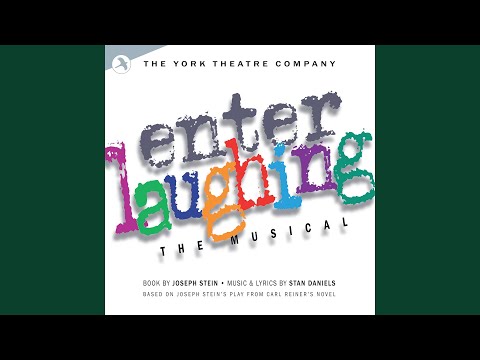
As of February 2026, “So Long, 174th Street” itself isn’t operating as a touring brand. Its practical afterlife is the revised incarnation, “Enter Laughing: The Musical,” which played a significant off-Broadway run at the York Theatre Company in 2008 and returned there in 2019. That later title is also the one most listeners will find on streaming, anchored by an off-Broadway cast album released in 2010.
The more relevant “live” story in 2025 and 2026 is catalog life: cast recordings recirculate, reissues appear through specialist retailers, and the show stays audible even when it’s not visible. In other words, this is a score you’re more likely to meet through an audio rabbit hole than a box office.
If you’re choosing a listening version, know what you’re buying emotionally. The 1981 “So Long, 174th Street” studio recording preserves the original Broadway concept’s sharper, older-school delivery style. The 2010 “Enter Laughing” recording reflects the revised show’s pacing and comedy-first identity.
Notes & trivia
- The original Broadway run opened April 27, 1976 and closed May 9, 1976.
- The show’s book is by Joseph Stein, adapted from his own play, itself drawn from Carl Reiner’s autobiographical material.
- The score (music and lyrics) is by Stan Daniels, who was better known for television comedy work than for musical theatre.
- “The Butler’s Song” outlived the production and became the piece’s best-known standalone number.
- A studio cast recording associated with the Broadway version was released in 1981 and includes Robert Morse, with Kaye Ballard added.
- The York Theatre Company revival history (2008 and 2019) effectively reframed the material’s reputation under the title “Enter Laughing: The Musical.”
- Musicals Tonight! treated the show as a rediscovery project and highlighted how framing devices could solve casting-perception problems.
Reception, then vs. now
In 1976, the problem wasn’t a lack of talent on the team. It was fit. The piece arrived with Broadway resources and Broadway expectations, but the lyric voice stayed stubbornly “comic bits,” and critics heard the seams. Decades later, the show’s reputation softened because the revision embraced what it naturally is: a farce with musical punchlines and one shockingly durable fantasy number.
“Enter Laughing: The Musical is an honest-to-God musical comedy, more about the humor than about the music.”
“Even in 1976, Bobby Morse was a little long in the tooth to play a teenage Jewish boy in the Bronx.”
“Perhaps the show's biggest conundrum is Daniels' score.”
Quick facts (production + albums)
- Title: So Long, 174th Street
- Broadway year: 1976
- Type: Musical comedy
- Book: Joseph Stein
- Music & lyrics: Stan Daniels
- Based on: Joseph Stein’s play “Enter Laughing,” from Carl Reiner’s novel
- Broadway venue: Harkness Theatre
- Run: 6 previews, 16 performances
- Notable placement: “The Butler’s Song” (fantasy sequence) became the breakout
- Primary albums: 1981 studio cast recording (Original Cast Records); 2010 “Enter Laughing” off-Broadway cast recording (Jay Records)
- Availability: The later “Enter Laughing” cast album is widely found on streaming services; the 1981 recording circulates via specialist retailers and resale markets.
Frequently asked questions
- Is “So Long, 174th Street” the same show as “Enter Laughing: The Musical”?
- They share core material: Stein’s story and Daniels’ score, with revisions and a more marketable title shaping the later incarnation’s reputation.
- What song should I start with if I’m sampling the score?
- Start with “The Butler’s Song” for the show’s comic signature, then listen to “If You Want to Break Your Father’s Heart” to hear its emotional floor.
- Why did the Broadway run end so quickly?
- Contemporary reception pointed to mismatches in tone and musical effectiveness, and later commentary also emphasized casting perception and framing issues.
- Is there a cast recording?
- Yes. There’s a 1981 studio recording tied to the Broadway score, and a 2010 off-Broadway cast album for the revised “Enter Laughing” version.
- Can theatres still perform it?
- The property’s performance life is more commonly associated with “Enter Laughing” as a title; check current rights listings through established licensing houses.
Key contributors
| Name | Role | Contribution |
|---|---|---|
| Joseph Stein | Book | Adapted the story for musical theatre; author of the original play version. |
| Stan Daniels | Composer-Lyricist | Wrote music and lyrics; crafted the comedy-first lyric voice and “The Butler’s Song.” |
| Burt Shevelove | Director (1976 Broadway) | Staged the original Broadway production. |
| Alan Johnson | Choreographer (1976 Broadway) | Created movement for the original Broadway staging. |
| Frederick Brisson | Producer | Produced the Broadway production. |
| Stuart Ross | Director (later revivals) | Directed the York Theatre Company revival era associated with the revised title. |
| The York Theatre Company | Revival producer | Helped reframe the show’s reputation via off-Broadway revivals and cast recording. |
Sources: IBDB; New York Magazine; TheaterMania; The York Theatre Company coverage (Playbill/BroadwayWorld reporting); Discogs; Footlight Records; Jay Records; Musical Theatre Review; Internet Archive finding aids (NYPL).