
Rocky Horror Show Lyrics: Song List
- Overture
- Science Fiction Double Feature
- Damn It, Janet
- Over At The Frankenstein Place
- Time Warp
- Sweet Transvestite
- The Sword Of Damocles
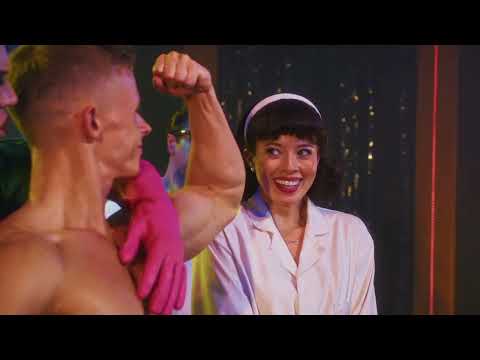
- I Can Make You A Man
- Hot Patootie
- I Can Make You A Man (reprise)
- Touch-A-Touch-A-Touch Me
- Once In A While
- Eddie's Teddy
- Planet, Schmanet, Janet
- Floor Show/Rose Tint My World
- I'm Going Home
- Spaceship
- Super Heroes
- Science Fiction Double Feature (reprise)
-
Time Warp (reprise)

About the "Rocky Horror Show" Stage Show
Book, lyrics & music for the project wrote R. O'Brien. In addition, he also played one of the second-plan roles, positively marked by critics. O'Brien example illustrates what is meant whole devotion to one business. The history of the musical is very interesting and unconventional. The first sketches were made in the late '70s in London by R. O'Brien. Being unemployed actor, he began to create a play to pass the winter evenings, and occupy himself in anything. Theatre activist since his youth dreamed to combine in a single creation elements of science fiction, horror and unintentional comedy. This resulted in the fact that the main theme of the book was the transgender line. According to the author, the latter took a more important place in comparison with what was given to the book originally.
The production was launched in June 1973. The place of its implementation has been selected Royal Court Theatre, located in the center of London. Histrionics lasted for seven years and ended in September 1980. During this period, the audience saw 2960 performances. Directing and producing was held by a single person – J. Sharman. In 1973, the project won the Evening Standard Theatre Award.
The debut in the USA took place in 1974 in California, LA. As was expected, after nine month of successful rentals, the production moved to Broadway. The first show took place in early 1975 in the Roxy Theatre. Despite all expectations of newfound producer L. Adler, production wasn’t successful. After 45 performances, it was closed. Broadway version received a nomination for Tony and three nominations for Drama Desk Award. Musical won none of them. In 1975, based on the play, O'Brien shot the same-named film, directed by J. Sharman. The main role was by Tim Curry (played in London, LA and Broadway productions) & Susan Sarandon.
Release date of the musical: 1973
"The Rocky Horror Show" – The Musical Guide & Song Meanings
Review: what the lyrics are really doing
“The Rocky Horror Show” (1973) runs on a dare: can a pile of B-movie riffs and rock hooks tell a real story about desire without turning into smug parody? Most nights, yes. The lyric-writing is deceptively disciplined. It uses pastiche as a delivery system for character shifts, especially for Brad and Janet, who begin as polite architecture and end as exposed wiring. The songs do not decorate the plot. They push it, shove it, and occasionally mug it for its lunch money.
The core lyrical theme is permission. Every major number is a different method of saying “you can do this,” with a different price tag attached. Early lyrics flatter innocence, then corner it. Mid-show lyrics rename shame into appetite. Late-show lyrics ask whether freedom still feels like freedom when the room gets quiet. This is why the score lands across decades: the jokes age, the appetite does not.
Musically, it is glam-leaning rock and roll with a pulpy cinema sheen. :contentReference[oaicite:0]{index=0} wrote the book, music, and lyrics in a moment when glam’s theatricality made identity feel playable, not fixed. That cultural context is not trivia. It is the engine that lets the lyric tone swing from arch to sincere without apologizing for itself.
How it was made
The origin story is unusually practical: :contentReference[oaicite:1]{index=1} has described writing the show while out of work, using winter evenings as fuel, and building it from the stuff he loved: 1950s sci-fi, low-budget horror, and rock and roll. :contentReference[oaicite:2]{index=2} helped bring the material to the tiny Theatre Upstairs at :contentReference[oaicite:3]{index=3}, where it premiered on 19 June 1973. The small room mattered. A show about peeping and participation plays differently when the audience is almost onstage.
One craft note that gets missed: the piece is not only spoof. It is montage. Scenes are short and angled, as if cut with scissors from a stack of old film posters. That structure is why the lyrics can be blunt. The show is constantly changing frames, so a lyric can act like a signpost and still feel stylish.
Viewer tip, because this is a participation culture as much as a musical: if your venue encourages call-backs, sit far enough forward to read facial reactions, but not so close that you lose the full stage picture during the big group numbers. A lot of “Rocky” comedy lives in who refuses to look embarrassed.
Key tracks and scenes
"Science Fiction/Double Feature" (Usherette, Phantoms)
- The Scene:
- A derelict cinema becomes a confessional booth. The lighting is movie-house gloom with sudden glitter flashes, like a projector spitting sparks. The Usherette introduces the “feature” and, with it, the show’s appetite for old screen monsters.
- Lyrical Meaning:
- The lyric is a mission statement in lipstick. It frames the story as fandom and flirtation at once, and it teaches you how to watch: expect references, then expect the references to bite back.
"Dammit Janet!" (Brad, Janet)
- The Scene:
- Post-wedding, bright and square. The staging often leans into clean lines and daylight energy, the kind of wholesome framing that will be aggressively violated by Act I’s weather.
- Lyrical Meaning:
- This is innocence performing certainty. The lyrics sound simple because the characters are committed to being simple, which makes the later unraveling feel earned rather than random.
"Over at the Frankenstein Place" (Brad, Janet, Riff Raff)
- The Scene:
- A car breaks down in a storm. Rain effects, hard angles, and an isolating spotlight that makes the castle feel less like architecture and more like a dare.
- Lyrical Meaning:
- The lyric is dread dressed up as curiosity. It is the exact point where the show begins swapping romantic fantasy for horror-fantasy, and it does so by making “place” feel like a choice.
"Sweet Transvestite" (Frank-N-Furter)
- The Scene:
- Grand entrance, theatrical shockwave. The lights usually snap into a showbiz glare, with the ensemble arranged like witnesses. The number is staged as a takeover: the house rules change mid-chorus.
- Lyrical Meaning:
- The lyric is self-invention as seduction. It also functions as a legal document: it names what Frank is, names where Frank is from, and dares the audience to keep up.
"Time Warp" (Magenta, Riff Raff, Columbia, Narrator, Company)
- The Scene:
- A party erupts inside the castle. Choreography is instructional and aggressive, with lighting that feels like a dance floor at midnight rather than a stage. The room becomes its own cult.
- Lyrical Meaning:
- The lyric turns into a contract with the audience. It is not only a song, it is a mechanism: repetition as belonging. Once you do the steps, you are in the story.
"Hot Patootie" (Eddie)
- The Scene:
- Sudden rockabilly interruption, often staged with a burst of warmer light and comic momentum, as if a different movie just crashed through the wall.
- Lyrical Meaning:
- This number is appetite without subtext. That bluntness is the point. It shows how quickly the castle turns impulse into spectacle, then moves on.
"Touch-a, Touch-a, Touch-a, Touch Me" (Janet)
- The Scene:
- Janet is alone, then not alone. The staging typically shifts to a sensual spotlight that feels intimate and faintly comic, like the show is laughing and blushing simultaneously.
- Lyrical Meaning:
- The lyric is discovery, then insistence. It is the clearest “turn” in Janet’s arc: desire stops being an accident and becomes a decision she sings out loud.
"Rose Tint My World" (Floor Show) (Company)
- The Scene:
- A staged performance inside the story, with chorus-line geometry and fetish-costume pageantry. Lighting is glossy, almost concert-like, as if the castle is auditioning for its own mythology.
- Lyrical Meaning:
- The lyric is a montage of seductions. It is also a warning: when everything is “tinted,” you cannot tell whether you are seeing freedom or coercion. The show likes the blur. It also wants you to notice it.
"I’m Going Home" (Frank-N-Furter)
- The Scene:
- The party collapses into a solitary ballad. The lighting usually cools and narrows, stripping away the carnival look until Frank is mostly voice and regret.
- Lyrical Meaning:
- This is the score’s emotional spine. The lyric shifts from command to plea, letting the character be exhausted rather than invincible. For a show famous for jokes, this is where sincerity wins the scene.
Live updates (2025-2026)
Information current as of February 2026.
Two parallel “Rocky” lanes are active right now. First, the touring and international licensing ecosystem remains busy, with the official Richard O’Brien-branded production listing 2026 tour dates (including UK stops and international engagements). Second, a high-profile Broadway revival is now scheduled for 2026 at :contentReference[oaicite:4]{index=4}, directed by :contentReference[oaicite:5]{index=5}, with casting announcements led by Luke Evans as Frank-N-Furter and a limited run window that stretches into June 2026.
Ticket trend reality: “Rocky” sells on recognizability and group energy. That means weekends and “event” dates spike first, even when midweek remains relatively sane. If your goal is the cleanest sound mix, avoid the noisiest participation nights. If your goal is communal chaos, do the opposite.
Notes and trivia
- The show premiered at the 63-seat Theatre Upstairs at :contentReference[oaicite:6]{index=6} on 19 June 1973, then transferred through London venues as it grew.
- Song order has changed across versions. In early stage iterations, “Sweet Transvestite” preceded “Time Warp,” and later revisions aligned more closely with the film-era sequencing.
- “I Can Make You a Man” exists in multiple textual forms across stage and screen history, with revisions folding earlier material into the version most productions use today.
- The show won the 1973 Evening Standard Theatre Award for Best Musical.
- Audience participation is now a standard expectation in many productions, with venues sometimes posting “no throwing” rules for practical reasons.
- The Original London Cast recording documents an early form of the score and track lineup, which differs from later, expanded versions of the stage show.
- Myth check: people often credit the 1975 film for inventing the culture around “Time Warp.” The stage show already treated it as a built-in communal ritual.
Reception: critics then vs. now
Early critical response in London often clocked the surprise: this thing was smarter than it looked and dirtier than it sounded. Over time, “Rocky” has had to negotiate its own legacy. Some of what once read as transgressive now reads as period-specific. Some of what once looked like trash now looks like a blueprint for participatory pop theatre. The best modern productions do not pretend the material is harmless. They play its danger as part of the fun and let the audience decide what to cheer.
“This show won me over entirely because it achieves the rare feat of being witty and erotic at the same time.”
“The show appears to be on life support.”
“Final statement.”
Quick facts for nerds
- Title: The Rocky Horror Show
- Year: 1973 (premiere)
- Type: Rock musical with glam and B-movie parody DNA
- Book, music, lyrics: :contentReference[oaicite:7]{index=7}
- Original director: :contentReference[oaicite:8]{index=8}
- Original venue: Theatre Upstairs at :contentReference[oaicite:9]{index=9}
- Selected notable placements: “Time Warp” as the show’s dance-floor ignition; “I’m Going Home” as Frank’s late-show emotional pivot
- Cast album focus: “The Rocky Horror Show: Original London Cast” (early recording of the stage score’s then-current lineup)
- Current official tour hub: rockyhorror.co.uk
- Broadway revival: 2026 engagement at :contentReference[oaicite:10]{index=10} (Roundabout listing and major press coverage)
Frequently asked questions
- Is “The Rocky Horror Show” the same as “The Rocky Horror Picture Show”?
- No. The stage musical came first (1973). The 1975 film adapts it, with revisions and version differences that later influenced many stage revivals.
- Do productions always allow audience participation?
- It depends on the venue and production style. Many encourage call-backs; some limit props or throwing for safety and sightlines.
- Why do song orders and titles sometimes differ?
- The piece has a living performance history. Revisions and film influence altered sequencing and consolidated certain numbers, so your program may not match an older recording.
- What is the clearest “story song” to listen to first?
- “Over at the Frankenstein Place.” It is the hinge where polite romance walks into gothic chaos and cannot unlearn what it sees.
- Is there a Broadway production in 2026?
- Yes. A limited-run Broadway revival is scheduled for 2026 at Studio 54, with previews beginning in March and an opening in April.
Key contributors
| Name | Role | Contribution |
|---|---|---|
| :contentReference[oaicite:11]{index=11} | Book, music, lyrics | Built a score that uses pastiche as character propulsion, not novelty alone. |
| :contentReference[oaicite:12]{index=12} | Original director | Shaped the early staging grammar that made intimacy and audience proximity part of the aesthetic. |
| :contentReference[oaicite:13]{index=13} | Original musical direction | Helped translate rock idioms into stage-forward musical storytelling and pacing. |
| :contentReference[oaicite:14]{index=14} | Director (2026 Broadway revival) | Staging a new major-production lens for a piece with heavy cultural memory and loud audience habits. |
Sources: The Guardian, Playbill, Entertainment Weekly, People, Broadway Direct, rockyhorror.co.uk (official), Musicals On Tour, Wikipedia, The RockyMusic archive interview, The Community House playbill PDF.