Pal Joey Lyrics – All Songs from the Musical
Pal Joey Lyrics: Song List
- Act 1
- You Mustn't Kick It Around
- I Could Write A Book
- Chicago (A Great Big Town)
- That Terrific Rainbow
- What Is A Man?
- Happy Hunting Horn
- Bewitched, Bothered And Bewildered
- Pal Joey (What Do I Care For A Dame?)
- Act 2
- The Flower Garden Of My Heart
- Zip
-
Plant You Now, Dig You Later
-
In Our Little Den (of Iniquity)
- Do It The Hard Way
- Take Him
- Finale
- Finale: I Could Write a Book
- Other Songs:
- I Didn't Know What Time It Was
- There's A Small Hotel
- My Funny Valentine
- The Lady is a Tramp
About the "Pal Joey" Stage Show
Composer is R. Rodgers. Lyrics have been composed by L. Hart. Screenwriter was J. O'Hara. The Broadway show was held in the Ethel Barrymore Theatre, from December 1940 to August 1941, in the Shubert Theatre – from September to October 1941, in the St. James Theatre – from October to November 1941. Total were 374 plays under the direction of G. Abbott and choreographed by R. Alton. In the show was such cast: G. Kelly, V. Segal & J. Havoc. The new version of the Broadway show ran from January 1952 to April 1953 in the Broadhurst Theatre. It survived through 540 times. Producer was D. Alexander, choreographer – R. Alton. The show had such actors involved: H. Lang, V. Segal, and B. Fosse. The London premiere took place in March 1954 in the Princes Theatre with 245 performances. In the musical participated: H. Lang, C. Bruce & S. Bazely.In 1963, the play was shown in NY City Center with such a team: B. Fosse, V. Lindfors & K. Medford. The new version of the histrionics took place on Broadway in the Circle Square Theatre from June to Aug. 1976 with 73 performances. Director was T. Mann. Choreographer – M. Sappington. The show included actors: C. Chadman, H. Gary & T. Treas. The musical also was held at London Noël Coward Theatre from September 1980 to September 1981 with such actors: S. Phillips, D. Carson & D. Lawson. From September to October 1992, the play in a new version has been shown in Boston Huntington Theatre, directed by D. Warren. Adapting the script has been done by R. Greenberg. In May 1995, the musical was held within Encores! in NY. From December 2008 to March 2009 in the Studio, a new, revised version, has been shown on Broadway, directed by J. Mantello and choreographed by G. Daniele. Adaptation was done by R. Greenberg. The show had cast: S. Channing, M. Risch & M. Plimpton.
Release date: 1940
"Pal Joey" – The Musical Guide & Song Meanings
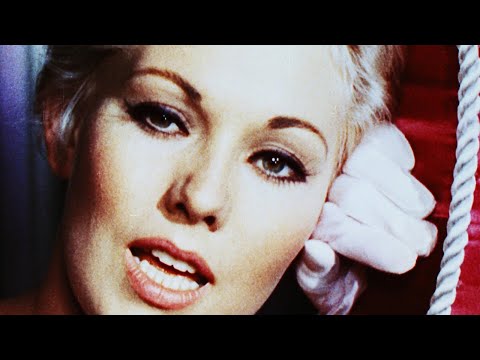
Review: Rodgers & Hart wrote love songs for people who should not be trusted
"Pal Joey" (1940) is the rare classic that still feels like it is trying to pick a fight with you. A charming nightclub operator with big dreams and low ethics works a naïve young woman and a wealthy married patron at the same time, and the show does not rush to redeem him. That is the point. The lyrics are not here to moralize. They are here to show how charm manufactures excuses faster than conscience can object.
Hart’s writing is full of elegant traps: lines that sound romantic until you notice the angle. The score keeps switching between two modes that scrape against each other. In the club numbers, language is salesmanship and patter, designed to land in the room. In the intimate songs, the words aim for sincerity and still carry irony, like someone telling the truth while checking the mirror. The result is a musical where the tunes are gorgeous and the emotional logic is deliberately unstable.
Listening tip before you see it live: play “You Mustn’t Kick It Around,” then “I Could Write a Book,” then “Bewitched.” Those three teach you the entire ecosystem: Joey’s public hustle, Joey’s private performance, and Vera’s late-night self-awareness. The show’s big idea is not that Joey is a heel. It is that everyone around him has to decide which lie they can live with.
How it was made
John O’Hara built Joey out of Chicago nightlife stories first published in The New Yorker, then adapted the character for the stage. Rodgers and Hart leaned into the “facts of life” angle on purpose, framing a musical around characters with “no bowing acquaintance with decency,” as Rodgers later put it in recollections quoted by the Rodgers & Hammerstein Organization. The original Broadway production opened on Christmas Day 1940 and ran 374 performances, moving theatres during the run, with George Abbott producing and Gene Kelly starring as Joey opposite Vivienne Segal as Vera. The setting is Chicago in the late 1930s, which matters because the show’s glamour always sits on top of anxiety.
The show’s second life shaped its legend. A 1950 studio cast recording, released February 12, 1951, helped propel a major 1952 Broadway revival and wider circulation of the songs beyond theatre crowds. That recording-and-revival pipeline is not trivia. It explains why "Pal Joey" is often remembered as a score first and a book second, and why modern adaptations keep tinkering with the book while treating the lyrics like museum-grade artifacts.
Key tracks & scenes
"You Mustn’t Kick It Around" (Joey, Gladys, Club Company)
- The Scene:
- A second-rate Chicago nightclub. Joey elbows his way into an emcee job, the room bright with stage bulbs and cheap confidence. The number plays like an audition in public, with the bandstand as a witness stand.
- Lyrical Meaning:
- The lyric is Joey’s operating manual: treat luck like property, treat people like leverage. It is also the show warning you, early, that charm is going to be weaponized.
"I Could Write a Book" (Joey, Linda)
- The Scene:
- Outside a pet shop, away from the club’s noise. Linda is young, open, and easy to impress. The lighting in most productions softens here because the show wants you to feel the romance before it complicates it.
- Lyrical Meaning:
- Hart writes a love song that sounds guileless, then lets it sting later when you remember who is singing it. The lyric makes infatuation feel like literature, which is exactly how Linda gets hurt.
"What Is a Man?" (Vera)
- The Scene:
- Vera, wealthy and married, decides she wants Joey anyway. This often lands in a private interior with controlled light, the world narrowed to a woman arguing with herself.
- Lyrical Meaning:
- The lyric is a diagnostic chart of desire: sarcasm, resignation, hunger, pride. Vera is not fooled by Joey, which makes her choice feel sharper, and sadder.
"Bewitched, Bothered and Bewildered" (Vera)
- The Scene:
- Act I’s emotional center. Vera admits she is undone. Strong stagings keep the room still: a woman alone with the consequences of wanting what she knows is bad for her.
- Lyrical Meaning:
- The lyric is grown-up self-mockery, frank and bruised. It refuses purity. It also refuses self-pity. Vera does not ask for sympathy, she reports the damage with style.
"Zip" (Melba)
- The Scene:
- Act II. A reporter appears for a single scene and turns into a full-scale showstopper, delivering a monologue-song about interviewing the “intellectual” stripper Gypsy Rose Lee. Tight spotlight, clean staging, jokes landing like darts.
- Lyrical Meaning:
- It is Hart’s comedy as cultural critique: name-dropping, lust, and pretension in the same breath. The lyric is also a mirror held up to the show itself, which sells glamour while refusing to pretend glamour is innocent.
"In Our Little Den (of Iniquity)" (Vera, Joey)
- The Scene:
- Vera’s apartment, where “respectability” becomes a staging gag and a threat. The lighting usually turns warmer and more dangerous, as if the room is complicit.
- Lyrical Meaning:
- The lyric is an adult joke with a moral aftertaste. It is about compartmentalization: separate bedrooms, separate lives, and the fantasy that boundaries can keep everyone clean.
"Plant You Now, Dig You Later" (Ludlow, Gladys, Ensemble)
- The Scene:
- A nightclub number with bite. The staging often leans into choreographic precision and broad smiles that do not quite match the words.
- Lyrical Meaning:
- It is romance framed as strategy. The lyric treats courtship like a long con, which is funny until you realize the show is filled with characters doing exactly that.
"Take Him" (Vera, Linda, Joey)
- The Scene:
- A collision course: Vera and Linda face the reality of Joey at the same time. Many productions stage it with stark light and minimal movement, letting the lyric do the violence.
- Lyrical Meaning:
- The song is not a tidy moral lesson. It is a transfer of burden. The lyric exposes how women in Joey’s orbit are pushed into negotiating with each other instead of holding him accountable.
Live updates (2025-2026)
Information current as of January 29, 2026. "Pal Joey" is not in an open-ended Broadway run right now, but it is loudly back in the adaptation conversation. The headline is Arena Stage’s winter 2026 reimagining, retitled Chez Joey, running January 30 through March 15, 2026 in Washington, D.C., with a new book by Richard LaGravenese and choreography-orchestrology by Savion Glover, co-directed by Glover and Tony Goldwyn. Arena’s listing also notes an expanded Rodgers & Hart song selection, explicitly including additions such as “This Can’t Be Love” and “The Lady Is a Tramp,” alongside core "Pal Joey" standards.
This is not an isolated experiment. The same creative leadership piloted a reworked "Pal Joey" as New York City Center’s fall 2023 gala, which drew sharply divided reviews: praise for performance and craft, and skepticism about whether piling on extra songs solves the show’s underlying structural tensions. The D.C. version’s title change alone signals intent: less nostalgia, more concept, and a harder effort to make Joey’s world feel like a curated room rather than a period postcard.
If you are tracking “where to see it,” follow the regional events, not Broadway rumors. This property tends to surface as a high-profile limited engagement, then disappear again, which is exactly how antiheroes survive: in bursts.
Notes & trivia
- The original Broadway production opened December 25, 1940 and ran 374 performances, playing the Ethel Barrymore Theatre first, then moving to the Shubert and the St. James.
- After opening, a melody originally titled “Love Is My Friend” was given a new lyric and retitled “What Is a Man?,” with sources noting uncertainty about the exact week of the change.
- “Zip” is built as a one-scene cameo for a reporter character and became a perennial showstopper, with Playbill tracing its joke structure to Gypsy Rose Lee’s “intellectual stripper” persona.
- A 1950 studio cast recording featuring Vivienne Segal and Harold Lang was released February 12, 1951 and helped ignite renewed interest that led to the 1952 Broadway revival.
- The 1957 film kept many original songs but added several Rodgers & Hart numbers from other shows, including “The Lady Is a Tramp” and “My Funny Valentine.”
- In 2026, Arena Stage’s Chez Joey explicitly continues that “expanded score” approach, naming additional interpolations in its public listing.
Reception
"Pal Joey" has always been reviewed as two separate things forced to share a stage: a brilliant songbook and a book that dares you to enjoy it. In 1940, critics argued over whether the material was too sour for musical comedy. Later, critics and historians increasingly praised it as a breakthrough antihero musical, even while admitting the show’s pleasures are complicated.
“Although PAL JOEY is expertly done, can you draw sweet water from a foul well?”
“The Hart lyrics are so clever they make the mind reel.”
“What makes the Roundabout revival so compelling is Richard Greenberg’s trenchant adaptation.”
Most recent critical discourse is less about whether Joey is “likable” and more about what the show implies about women’s choices inside rigged systems. The 2023 gala version intensified that argument by reframing Joey’s identity and expanding the score, which made some reviewers feel the piece was inching toward a Rodgers & Hart anthology, while others welcomed the attempt to interrogate the original’s power dynamics.
Quick facts
- Title: Pal Joey
- Year: 1940 (Broadway premiere)
- Type: Musical comedy with an antihero lead
- Book: John O’Hara (adapted from his Joey stories)
- Music: Richard Rodgers
- Lyrics: Lorenz Hart
- Setting: Chicago, late 1930s
- Original Broadway run: Dec 25, 1940 to Nov 29, 1941 (374 performances; multiple theatres)
- Selected notable placements: Pet shop meeting (“I Could Write a Book”); Vera’s private confession (“Bewitched”); Act II showstopper cameo (“Zip”); confrontation trio (“Take Him”)
- Recording anchor: 1950 Studio Cast Recording (released Feb 12, 1951; Columbia), with track listing published by the Rodgers & Hammerstein Organization
- Modern adaptation headline: Chez Joey at Arena Stage (Jan 30 to Mar 15, 2026), new book by Richard LaGravenese, co-directed by Tony Goldwyn and Savion Glover, with an expanded song list
- Film context: 1957 Columbia film adaptation adds Rodgers & Hart songs from other shows, including “The Lady Is a Tramp” and “My Funny Valentine”
Frequently asked questions
- Who wrote the lyrics to "Pal Joey"?
- Lorenz Hart wrote the lyrics, with music by Richard Rodgers and a book by John O’Hara.
- Is “The Lady Is a Tramp” actually a "Pal Joey" song?
- Not originally. It is a Rodgers & Hart song from "Babes in Arms" that was added to the 1957 film and is now being included again in some modern reimaginings.
- Where does “Zip” happen in the show?
- In Act II, performed by a reporter character who appears in only that scene, delivering a comic number tied to Gypsy Rose Lee’s “intellectual stripper” persona.
- What is the best recording to start with?
- If you want a classic “document,” start with the 1950 studio cast recording featuring Vivienne Segal and Harold Lang. If you want to hear how modern teams reshuffle the material, explore recordings and clips tied to later concert stagings and revivals.
- Is "Pal Joey" being performed in 2026?
- Yes. Arena Stage is presenting a reimagined version titled Chez Joey from January 30 to March 15, 2026 in Washington, D.C.
Key contributors
| Name | Role | Contribution |
|---|---|---|
| Richard Rodgers | Composer | Contrasts slick nightclub sound with intimate confession songs, letting melody carry the bait-and-switch. |
| Lorenz Hart | Lyricist | Wrote sophisticated, sharply observed lyrics that make romance sound like a bad decision explained beautifully. |
| John O’Hara | Book | Built the story’s cynical engine from his Joey fiction, bringing a harder edge to musical comedy storytelling. |
| George Abbott | Producer (original Broadway) | Shepherded the original production’s commercial shape and pacing. |
| Gene Kelly | Original Joey | Anchored the role as a dancer-first heel with enough charisma to keep the audience leaning in. |
| Vivienne Segal | Original Vera | Introduced “Bewitched, Bothered and Bewildered,” defining Vera as witty, wounded, and adult. |
| Richard LaGravenese | Book (Chez Joey, 2026) | Creates a new narrative frame for the score in Arena Stage’s reimagining. |
| Savion Glover | Choreography/Orchestrology; Co-Director (Chez Joey, 2026) | Leads the movement and rhythmic architecture of the 2026 reimagining. |
| Tony Goldwyn | Co-Director (Chez Joey, 2026) | Co-directs the new staging and its dramatic framing at Arena Stage. |
Sources: IBDB; Rodgers & Hammerstein Organization; Playbill; Arena Stage; Variety; Masterworks Broadway; Overture (Ovrtur); TheaterMania.