Me Nobody Knows, The Lyrics – All Songs from the Musical
Me Nobody Knows, The Lyrics: Song List
- Act 1
- Dream Babies
- Light Sings
-
This World
-
Numbers
- What Happens to Life
-
Take Hold the Crutch
- Flying Milk and Runaway Plates
- I Love What the Girls Have
- How I Feel
-
If I Had A Million Dollars
- Act 2
- Fugue for Four Girls
- Rejoice
-
Sounds
- The Tree
-
Robert, Alvin, Wendell and Jo Jo
- Jail-Life Walk
- Something Beautiful
- Black
- War Babies
-
Let Me Come In
About the "Me Nobody Knows, The" Stage Show
Considered musical is based on a book of R. H. Livingston, H. Schapiro & S. M. Joseph. Music to the project belongs to G. W. Friedman & lyrics – to W. Holt. Spoken texts are written by children aged 7-18, attending public schools of New York. Opening Off-Broadway production took place in May 1970. The venue was in the Orpheum Theatre. The exhibition lasted for six months and was closed on December 1970. During this period, the audience saw 208 performances. In the same year, it was decided to take the show on Broadway.September 1971 – the date of the first Broadway’s show. This and all subsequent performances were held in Transferred Longacre Theatre. Prior to the closure of the show in November 1971, 378 performances were conducted. Project was directed by R. H. Livingston. A considerable role in its creation played a choreographer P. Birch. This creation was one of the earliest rock musicals ever shown on Broadway.
Release date: 1970
"The Me Nobody Knows" – The Musical Guide & Song Meanings
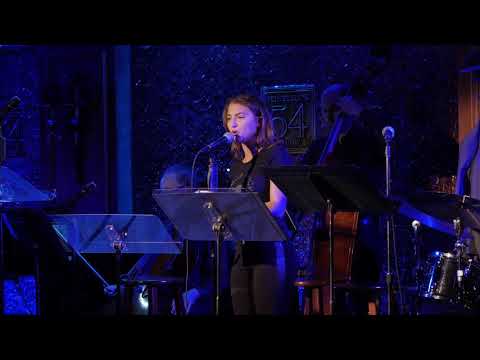
Review: the lyrics as edited truth
How do you write “lyrics” for a show built from real kids’ writing without turning it into theatre’s version of a museum placard? The Me Nobody Knows solves it by letting the text behave like speech, not poetry class. Will Holt’s lyric writing stays conversational, then suddenly snaps into structure when the characters need a spine. You hear it in the way the score keeps switching gears: pop-rock bite for anger, a baroque-minded “Fugue” for the way adolescent thoughts pile up, and chorus-like refrains when the group needs to sound like a city, not a single kid.
The show’s thesis is blunt: a day in New York becomes a biography. Concord’s licensing synopsis even frames the piece as “the course of one day,” which is helpful because it explains the album’s emotional pacing. Numbers arrive like overheard diary entries. The writing is candid, sometimes funny, sometimes bruising, often both in the same minute. That’s also the mild risk: without strong staging, it can feel episodic. With strong staging, the episode format becomes the point, a chorus of individual selves competing to be seen.
Musically, Gary William Friedman’s style sits at the crossroads of rock, pop, and theatre craft. The arrangements are doing narrative work: tight rhythmic figures suggest schoolyard pressure, open chords signal private wishing, and the ensemble writing turns personal lines into public weather. This is why the soundtrack plays so cleanly as a listening experience. It is a concept show that still remembers to be a record.
How it was made
The origin story is unusually literal: the source material really is student writing gathered and edited by teacher Stephen M. Joseph, then adapted for the stage by Robert Livingston and Herb Schapiro, with additional lyrics credited to Schapiro. Concord’s official listing is explicit about that chain of custody, and it matters for interpretation. The “author” of any given line is always a blend: a child’s raw phrasing, a theatrical editor’s shaping hand, and a lyricist’s instinct for musical repetition.
One of the most telling bits of period documentation comes from a 1971 BMI magazine item quoting Cue. It praises Joseph for giving “dramatic structure” to the writings and points directly at Friedman’s “exhilarating rock score” for giving the material theatrical lift. Then it underlines the commercial history: the show moved from Off-Broadway to a major Broadway house “directly and unchanged,” a rare brag that reads like a mission statement. The piece was not built to be tasteful; it was built to be heard.
Listening tip, from someone who has watched audiences get it in real time: do not start with the heaviest track. Start with “Dream Babies” or “Light Sings,” then let the darker material arrive after you trust the show’s humor. The writing is more persuasive that way, and it mirrors how the stage version earns intimacy, one voice at a time.
Key tracks & scenes
"Dream Babies" (Melba)
- The Scene:
- Morning, city light through a classroom window. The ensemble is present, but unfocused, bodies in motion like a bell just rang. Melba steps forward into a tighter pool of light, half daydream, half defense mechanism.
- Lyrical Meaning:
- This is the show’s first promise: imagination is not escapism, it is survival. The lyric treats dreaming as a daily practice, not a luxury, and it quietly sets the standard for every wish that follows.
"Light Sings" (William & Ensemble)
- The Scene:
- Midday brightness, almost too bright. A street-corner vibe replaces classroom order. The group builds the sound around William, as if the city itself is singing back.
- Lyrical Meaning:
- One of the score’s signature moves: take an ordinary element and give it metaphysical weight. “Light” becomes permission to feel joy without apology. The lyric is simple on purpose, the kind of simplicity that reads like truth, not like craft.
"How I Feel" (Catherine & Carlos)
- The Scene:
- Late afternoon, a stairwell or hallway that swallows sound. The lighting narrows to faces. Catherine and Carlos sing like they are trying to name emotions before they harden into habits.
- Lyrical Meaning:
- The lyric insists on first-person authority. In a show built from many voices, this song argues that feelings are evidence. It also shows Holt’s best trick: phrases that sound offhand until the melody repeats them and they become doctrine.
"If I Had A Million Dollars" (Ensemble)
- The Scene:
- Evening energy, the ensemble spilling out into fantasy. Lighting warms, movement gets bigger, and the stage picture starts to resemble a block party that keeps rewriting itself.
- Lyrical Meaning:
- It is a wish-list song that refuses to stay cute. The lyric makes money a stand-in for safety, dignity, and choice, then lets the audience sit with how basic those wants are. The bite is in the restraint.
"Fugue for Four Girls" (Lillie Mae, Catherine, Lillian)
- The Scene:
- Night, and the sound turns architectural. Four lines chase one another, the way teenage thoughts chase one another when sleep won’t cooperate. Lighting breaks into separate lanes, each girl in her own mental corridor.
- Lyrical Meaning:
- Form becomes character. The fugue structure says: nobody gets a single, tidy narrative. Their lives overlap, interrupt, and echo. It is also Friedman flexing his theatre muscles, proving this is not just “rock” but composition.
"The Tree" (Carlos)
- The Scene:
- Stillness after noise. One performer, one image, a quiet spotlight. The ensemble recedes, and the stage feels suddenly large, like an empty playground.
- Lyrical Meaning:
- This is the score’s gentlest argument for hope. The lyric leans on metaphor, but it stays grounded in the body: wanting to grow, wanting to endure. It is a pivot point on the album because it lets sincerity take a full breath.
"Black" (Ensemble)
- The Scene:
- A collective statement, staged as confrontation. The lighting turns stark, sharper angles, fewer warm tones. The ensemble faces outward more than inward, as if the room itself is on trial.
- Lyrical Meaning:
- The lyric is identity claimed in public. It is not a confessional, it is a declaration, and it gains power because the show has already established the group as individuals. When they speak together here, it sounds earned.
"Let Me Come In" (Ensemble)
- The Scene:
- End of the day. The stage picture widens, then softens. The final light feels like streetlamps, not spotlights, a communal glow after a long night.
- Lyrical Meaning:
- This is the show’s last negotiation with the audience. The lyric asks for entry, for empathy, for space. It lands because it is not begging for pity; it is demanding recognition, which is the piece’s central moral posture.
Notes & trivia
- Official licensing credits list music by Gary William Friedman, lyrics by Will Holt, adapted by Robert Livingston and Herb Schapiro, with additional lyrics by Schapiro.
- Concord frames the show’s setting as “the city” over “the course of one day,” and the licensed running time is listed at 105 minutes.
- The Concord song list shows a two-act structure that includes both pop-rock numbers and a formal “Fugue,” an early clue that the score is genre-mixed by design.
- The original Broadway run opened December 18, 1970 and closed November 14, 1971, with 378 performances (including a venue transfer).
- A 1971 BMI magazine item quotes Cue praising the show’s creative team and calls it the first Off-Broadway musical to transfer “directly and unchanged” into a major Broadway house.
- The original cast album was released by Atlantic Records (catalog SD 1566), later reissued on CD by 150 Music, with Playbill covering the CD release news.
- Concord’s media section includes a modern performance video for “Black” framed explicitly as a response to Black Lives Matter, evidence of how the material gets recontextualized without being rewritten.
Reception then vs. now
Critics in 1970 tended to respond to the piece as both innovation and accusation. The most quoted reaction is Clive Barnes’s language about compassion, pain, and “unsentimental determination for hope,” a phrase that still fits the score’s emotional math. What is striking, reading the period pull-quotes that Concord preserves, is how frequently reviewers praised the writing as intelligent and funny, not merely “important.” That’s your reminder that the show’s social conscience was never meant to replace entertainment. It was meant to sharpen it.
Modern audiences tend to hear the show through two lenses at once: as a historical artifact of early Broadway rock, and as a living prompt for whose voices get staged. The second lens has gotten stronger in the 2020s, particularly for “Black,” which Concord has highlighted via contemporary performance footage. The best productions lean into the revue format as an advantage. You are not watching a plot; you are watching a chorus of arguments about who gets to narrate their own life.
“One of the best musicals on Broadway and unequivocally the most moving, the most poignant.”
“We have the best rock score in years in the one provided by Gary William Friedman…”
“The Me Nobody Knows is beautiful… remarkable for its intelligence, insight and emotional force.”
Live updates (2025–2026)
Information current as of January 2026. There is no confirmed Broadway revival run in the major public databases, and the show’s most visible life remains licensing-driven, which actually suits it. This title thrives in schools, youth companies, and community theatres because it is built for ensembles that can hand the spotlight around without losing momentum. Concord’s listing continues to position it as flexible casting (6w/6m with expandable casting guidance) with contemporary street-clothes production values, which lowers the barrier to entry while keeping the material immediate.
The score also stays present through recordings. The original cast album began as an Atlantic Records release and later received a CD reissue via 150 Music, a company that explicitly notes obtaining rights from Atlantic to release the cast album on CD with added booklet material. On streaming, Apple Music lists a digital release under 150 Music with a 14-track program, which matches the familiar album listening shape (an important note: cast albums often streamline stage material).
For anyone programming the show now, the most noticeable staging trend is contextual framing. Concord’s own video curation highlights “Black” in a Black Lives Matter context. That does not change the text, but it changes the room, and The Me Nobody Knows is a show that listens hard to the room.
Quick facts
- Title: The Me Nobody Knows
- Year: 1970 (Off-Broadway premiere; Broadway transfer later in 1970)
- Type: Full-length musical (revuish/concept structure)
- Music: Gary William Friedman
- Lyrics: Will Holt (additional lyrics credited to Herb Schapiro)
- Adaptation/Book credit (licensing): Robert Livingston and Herb Schapiro; based on the book edited by Stephen M. Joseph
- Setting concept: New York City, over the course of one day
- Selected notable placements (licensed song list): “Dream Babies” (Melba); “How I Feel” (Catherine & Carlos); “Fugue for Four Girls” (girls ensemble); “The Tree” (Carlos); “Black” (ensemble); “Let Me Come In” (ensemble)
- Broadway run: Opened Dec 18, 1970; closed Nov 14, 1971; 378 performances
- Original cast album: Atlantic Records SD 1566 (later CD reissue by 150 Music; digital listings also exist)
- Album availability notes: Streaming services list a 14-track program; total running time varies by platform metadata
Frequently asked questions
- Is this a plot musical or a collection of numbers?
- It is structured more like a concept revue across one day in the city. The connective tissue is theme and community rather than a single protagonist’s linear story.
- Who “wrote” the lyrics if the show is based on student writing?
- The licensing credits list lyrics by Will Holt, with additional lyrics by Herb Schapiro, and adaptation by Robert Livingston and Schapiro, based on a book edited by Stephen M. Joseph. The stage text is a shaped version of many student voices.
- Which songs are the best entry points if I am new to the score?
- Try “Dream Babies,” “Light Sings,” and “How I Feel” first. They show the score’s range: imagination, uplift, and emotional precision.
- Why does the score include a “Fugue”?
- It is a compositional choice that mirrors overlapping inner monologues. The form lets multiple girls’ perspectives run simultaneously, which fits a show built from many voices.
- Is the cast recording complete?
- Like many cast albums, it functions as a curated listening program. Platforms list a 14-track album that captures major musical ideas, but it should not be treated as a scene-by-scene document of the full stage script.
- Is there a Broadway revival announced for 2025–2026?
- No confirmed Broadway revival run appears in the main public theatre databases as of January 2026. The title’s current activity is most visible through licensing and recordings.
Key contributors
| Name | Role | Contribution |
|---|---|---|
| Gary William Friedman | Composer; arranger/orchestrator (licensing) | Built the pop-rock backbone and the formal musical architecture that lets many voices share one score. |
| Will Holt | Lyricist | Shaped conversational, direct lyric writing that keeps the piece grounded in speech rhythms. |
| Herb Schapiro | Adaptor; additional lyricist (licensing) | Helped translate student writing into stage structure, with credited additional lyrics. |
| Robert Livingston | Adaptor; director (original productions) | Directed the original staging and is credited with adaptation in the licensed version’s authorship line. |
| Stephen M. Joseph | Source editor | Edited the original anthology of student writing that the show is based on, anchoring the work in documented voices. |
| 150 Music | Reissue label | Handled later CD and digital life for the cast recording, extending access beyond original vinyl circulation. |
Sources: Concord Theatricals; IBDB; Playbill; Apple Music; 150 Music; Wikipedia; Discogs; KSL (Associated Press); BMI “Many Worlds of Music” archive excerpt.