When There Was Me and You Lyrics — High School
When There Was Me and You Lyrics
Looking from the outside
I'm standing here but all I want
Is to be over there
Why did I let myself believe
Miracles could happen
Cause now I have to pretend
That I don't really care
I thought you were my fairytale
A dream when I'm not sleeping
A wish upon a star
Thats coming true
But everybody else could tell
That I confused my feelings with the truth
When there was me and you
I swore I knew the melody
That I heard you singing
And when you smiled
You made me feel
Like I could sing along
But then you went and changed the words
Now my heart is empty
I'm only left with used-to-be's
And once upon a song
Now I know your not a fairytale
And dreams were meant for sleeping
And wishes on a star
Just don't come true
Cause now even I can tell
That I confused my feelings with the truth
Cause I liked the view
When there was me and you
I can't believe that
I could be so blind
It's like you were floating
While I was falling
And I didn't mind
Cause I liked the view
Thought you felt it too
When there was me and you
Song Overview
Review and Highlights
Quick summary
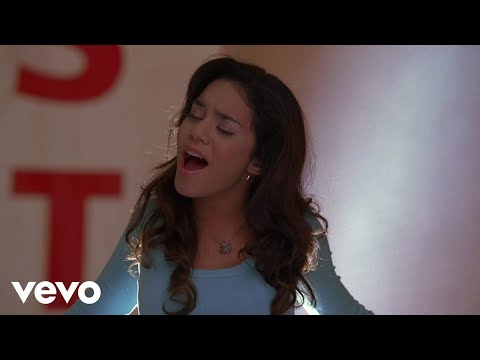
- Role in the story: Gabriella steps away from the noise and sings a solo that turns misunderstanding into self-critique.
- Where it appears: High School Musical (2006) - TV movie - diegetic-ish (sung in-world, framed like an inner monologue). Mid-film, after she overhears Troy and before the mood resets.
- Songcraft: A slow pop ballad built on piano-led phrases, with the chorus doing the heavy lifting through a fairy-tale reversal.
- Credits snapshot: Written and produced by Jamie Houston; lead vocal by Vanessa Hudgens.
- Later echo: A short-form reframe arrives in the Disney+ era via Joshua Bassett's "Ricky Version," treating the same lines like a diary entry in a different teen universe.
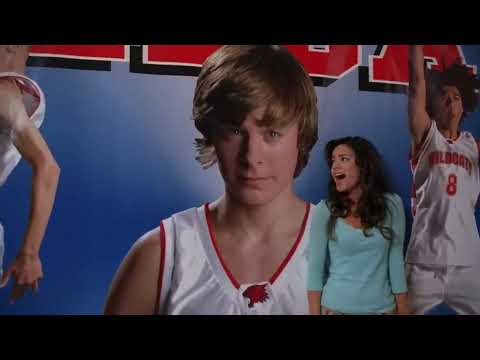
High School Musical (2006) - TV movie - diegetic-ish. Gabriella isolates herself while the rest of East High keeps celebrating, and the camera lets the song do what dialogue cannot: translate the moment where a crush stops feeling safe. The placement matters because it interrupts the film's bright momentum with a private stop-motion beat, like someone shutting a locker door on their own expectations.
As a ballad, it plays a classic Disney Channel trick: keep the harmony simple, then sharpen the narrative blade. Verses sketch the scene in plain speech, almost like a journal entry you would never show your friends. The chorus flips into fairy-tale language - not to get cute, but to show how fast a teenager can mythologize a person. I have heard thousands of breakup songs over the decades, and this one stands out for how calmly it admits the real villain is not Troy, but the story Gabriella wrote around him.
The hook is less about heartbreak fireworks and more about a quiet cognitive snap: the moment she realizes she has been using "truth" as a costume for "hope." That is why the key line lands - it is not jealousy, it is clarity. The melody keeps returning to familiar steps, as if her brain keeps replaying the same conversation with a different ending, until the chorus finally refuses the rewrite.
Creation History
Jamie Houston handled the writing and production, shaping the track as a slow, radio-friendly show tune that still reads cleanly on screen. The recording sits in that mid-2000s Disney pop lane where piano carries the confession and light rhythm support keeps it from drifting into stagey melodrama. The widely circulated video upload under DisneyMusicVEVO keeps the presentation minimal: singer in focus, heartbreak in plain sight, no elaborate storyline needed because the film already did the plot work.
Song Meaning and Annotations
Plot
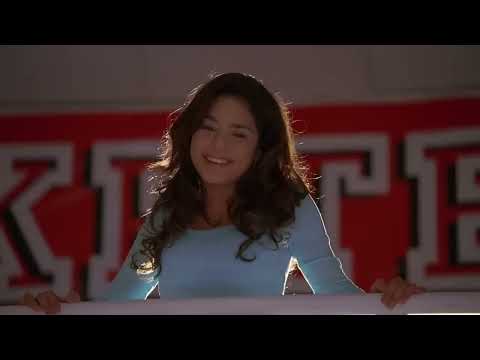
Gabriella overhears Troy minimizing what they shared. Instead of confronting him in the moment, she withdraws and sings through the collapse of her fantasy version of the relationship. The song functions like a written apology addressed to herself: she catalogs the clues she ignored, admits she fell for an image, and lands on a more durable truth - she wanted the view more than the person, and now she has to live with that mismatch.
Song Meaning
The meaning is a self-audit. The lyric does not just say "you hurt me"; it says "I built a fairy tale, and I mistook my feelings for evidence." That is a sharp message for a teen musical, and it explains why the song has stayed sticky across generations. It is heartbreak, yes, but it is also media literacy for the heart: a reminder that a crush can turn a stray smile into a contract.
Musically, the emotional arc moves from observation (verse) to confession (chorus) to a brief, weightless bridge that describes imbalance, then back to a chorus that sounds less pleading and more resolved. Pop ballads often chase catharsis; this one chases perspective. According to Playbill, the soundtrack's chart run turned the film into a full-on pop event, and this track works like the still frame inside that bigger frenzy: a pause you remember because it is quieter than the party.
Annotations
"Its funny when you find yourself / Lookin' from the outside"
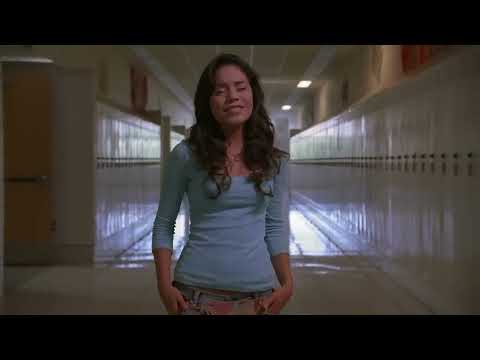
In the film context, she is physically present but socially absent. That "outside" is not just a hallway view of a party, it is the teenage feeling of being edited out of your own weekend. The line lands because it is mundane - no metaphors, just the sting of watching laughter you were supposed to be part of.
"Cause now I have to pretend / That I dont really care"
This is the performance after the performance. The ballad ends, and she still has to walk back into school life where pride is armor. The annotation points to her later shrugging off Troy, and that is a crucial detail: the song is not a confrontation, it is rehearsal for one, the private version where she lets herself be honest before she has to be cool.
Fairy-tale language as a trap
"Fairytale," "wish upon a star," and "once upon a song" are not decorative phrases here. They are the vocabulary of stories sold to kids, repurposed as the vocabulary of a first crush. The song exposes how those phrases can turn into a trap: if you talk like a princess story, you start demanding princess-story outcomes.
Rhythm and restraint
The groove stays understated, which keeps the focus on the lyric's logic. That is the fusion: pop ballad pacing with a show-tune job description. No big belt-and-hold climax, just a steady walk toward acceptance, the kind you feel in your chest the next morning.
Technical Information
- Artist: High School Musical Cast
- Featured: Vanessa Hudgens (lead vocal)
- Composer: Jamie Houston
- Producer: Jamie Houston
- Release Date: January 20, 2006
- Genre: Pop; teen pop; ballad; soundtrack
- Instruments: Piano-led pop arrangement; light rhythm support; soft string sheen (arrangement varies by edition)
- Label: Walt Disney Records
- Mood: Reflective; regretful; quietly resolute
- Length: About 3:00 (common streaming editions)
- Track #: 6 (High School Musical soundtrack)
- Language: English
- Album: High School Musical (2006)
- Music style: Disney Channel pop ballad with musical-theatre phrasing
- Poetic meter: Mostly conversational stress with a loose iambic pull in the chorus lines
Questions and Answers
- Who produced "When There Was Me and You"?
- Jamie Houston is credited as producer for the recording and also as the writer in widely cited release notes and soundtrack listings.
- When was it released?
- Common catalog listings place the track's release in January 2006 alongside the original soundtrack rollout, with the film premiere also landing on January 20, 2006.
- Who wrote it?
- Jamie Houston is credited as the songwriter.
- What is the song actually about?
- It is an internal correction: Gabriella realizes she treated a crush like a fairy-tale contract and has to admit she confused hope with evidence.
- Why does the chorus feel heavier than the verses?
- The verses describe the scene, while the chorus names the belief system behind it. Once she says the fairy-tale words out loud, they stop sounding romantic and start sounding risky.
- Is the performance diegetic?
- It behaves like both. In musicals, a character can sing in-world while the film frames it as private thought. This one leans that way: sung as an action, edited as confession.
- What is the key detail in the bridge?
- The bridge admits imbalance: one person floating, the other falling. That is the moment the song stops being about Troy and becomes about how she positioned herself.
- How does the Disney+ "Ricky Version" change the meaning?
- It compresses the idea into a shorter, more diary-like cut, shifting the tone from cinematic heartbreak to raw, contemporary teen reflection.
- Are there official or semi-official language versions?
- Yes. Franchise spin-offs and regional casts have performed localized versions, including a Spanish-language title commonly circulated as "Cuando eramos tu y yo," plus other adaptations credited in international franchise materials.
Awards and Chart Positions
This track rides inside one of the defining TV soundtracks of the 2000s. As stated in a D23 feature note, the album's sales story kept escalating after the broadcast, turning the soundtrack into a long-running chart presence. While the single itself is not usually treated as a standalone chart entry, the parent album's milestones help explain how a quiet ballad ended up heard in every school hallway and living room.
| Item | Market | Peak / Certification | Notes |
|---|---|---|---|
| High School Musical (soundtrack) | US | Billboard 200: No. 1 | Reported in theatre and music-trade coverage during the original run. |
| High School Musical (soundtrack) | US | RIAA: 5x Platinum | Publicly celebrated via official Disney Music channels; later summaries repeat the level. |
How to Sing When There Was Me and You
Measured guides for this recording commonly place it in D major with a working vocal span around F sharp 3 to E5 (arrangements vary). Think of it as a storytelling piece first and a big vocal showpiece second. The real challenge is control: long lines, soft dynamics, and a chorus that needs lift without turning into a shout.
- Tempo first: Treat it as a slow ballad. Count a steady pulse and avoid dragging at the end of lines.
- Diction: Keep consonants crisp on the conversational phrases so the lyric reads like a thought, not a recital.
- Breath plan: Mark breaths before the chorus so you do not steal air mid-idea. The best reads sound like one honest sentence.
- Flow and phrasing: Let verses sit slightly behind the beat, then move a touch forward in the chorus for urgency.
- Accents: Emphasize the words that signal realization: "pretend," "truth," and the title phrase at the end of the chorus.
- Mix and lift: On the higher notes, aim for a clean mix rather than a belt. The character is disappointed, not defiant.
- Mic and intimacy: If amplified, sing closer and softer. This is a confessional camera moment, not a gym anthem.
- Pitfalls: Over-sobbing the tone, rushing the bridge, or pushing volume instead of intensity.
- Practice materials: Work with a piano reduction and then a karaoke track, focusing on breath timing and dynamic control.
Additional Info
Two franchise afterlives are worth noting. First, the song keeps resurfacing as a template for teen self-correction, which is why cover versions often lean acoustic: stripping the arrangement exposes the lyric's logic. Second, the Disney+ era repurposed the core idea through a short "Ricky Version," proof that the hook survives even when the context changes and the runtime shrinks.
If you want the wider cultural snapshot, look at how quickly the soundtrack moved from TV tie-in to pop commodity. That shift is part of why this ballad became a rite-of-passage listen: it was never hidden on a cast album shelf, it was right there next to the hits in the same playlist era.
Key Contributors
| Entity | Type | Relationship | Statement |
|---|---|---|---|
| Jamie Houston | Person | Writer, producer | Jamie Houston wrote and produced the recording. |
| Vanessa Hudgens | Person | Lead vocalist | Vanessa Hudgens performs the solo as Gabriella. |
| High School Musical Cast | Organization | Primary credited act | The cast branding frames the track as part of the ensemble soundtrack identity. |
| Walt Disney Records | Organization | Label | Walt Disney Records releases the soundtrack editions widely circulated. |
| Walt Disney Music Company | Organization | Publisher | Walt Disney Music Company is credited as publisher in soundtrack documentation. |
| High School Musical | Work | Screen placement | The TV movie uses the performance as a mid-story heartbreak pause. |
| DisneyMusicVEVO | Organization | Video distributor | The official upload keeps the focus on the performance and vocal. |
Sources: DisneyMusicVEVO video listing, YouTube Topic release note, Playbill report on soundtrack chart impact, D23 feature note, Disney Music certification post, SecondHandSongs cover index, Singing Carrots key and range guide, High School Musical Around the World franchise listing