Adrift In Macao Lyrics — Adrift In Macao
Adrift In Macao Lyrics
Once again it is time to be someone, who's anyone other than me
With the rare combination of girlish excitement and manly restraint
I position my precious assortment of pencils and powders and paint
So whenever I feel that my place in the world is beginning to crash
I apply one great stroke of Mascara to my rather limp upper lash
And I can cope again, Good God! There's hope again
When life is a real bitch again, and my old sense of humor has up, and gone
It's time for the big switch again, I put a little more Mascara on
When I count my crow's feet again, and tired of this perpetual marathon
I put down the john-seat again, and put a little more Mascara on
And ev'rything's sparkle dust, bugle beads, ostrich plums
When it's a beaded lash that you look through
'Cause when I feel glamorous, elegant, beautiful
The world that I'm looking at's beautiful too
When my little road has a few bumps again
And I need something level to lean upon
I put on my sling pumps again
And wham! This ugly duckling is a swan
So when my spirit starts to sag
I hustle out my highest drag
And put a little more mascara on
And ev'rything's ankle straps, Maribou, Shalimar
It's worth socking in my gut, and girdling my rear
'Cause ev'rything's ravishing, sensual, fabulous
When Albin is tucked away, and, ZaZa is here
When ev'rything slides down the old tubes again
And when my self esteem has begun to drift
I strap on my fake boobs again
And literally give myself a lift
So when it's cold and when it's bleak
I simply rouge the other cheek
For I can face another day
In slipper satin lingerie
To make depression disappear
I screw some rhine stones on my ear
And put my brooches and tiara
And a little more mascara on
Sparkle dust, bugle beads
Ankle straps, Maribou On! Ankle straps, Maribou
Ostrich plumes, Shalimar
Ravishing, fabulous, on! Ravishing, fabulous, on
Song Overview
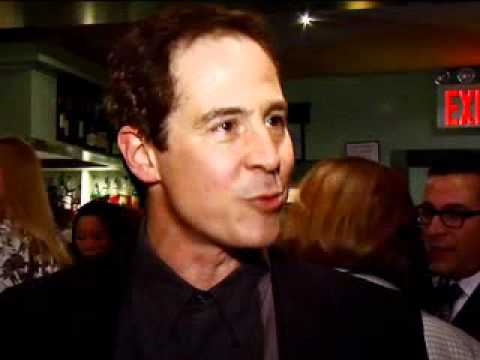
In the title number from the one-act noir spoof Adrift In Macao, the writers hand you the thesis early, then let the plot run around trying to disprove it. The city is a waiting room with better lighting: people arrive with backstories, alibis, and a suitcase of half-baked plans. The song does not beg for sympathy. It frames a condition - everyone drifting, everyone pretending they chose it - and makes that pose singable.
Review and Highlights
Quick summary
- What it is: A quartet-style title number that states the show idea plainly, then slips it into character voices.
- Who drives it: Mitch, Lureena, Corinna, and Tempura trade the spotlight, like suspects sharing a single cigarette.
- Where it sits: Mid-score, after the romantic friction has sparked and before the next big sentimental turn.
- Why it lands: The tune plays fair - classic musical-theater legibility with a sly noir glaze.
- Recorded legacy: The commercial recording captures a studio-clean version of a stage joke that still feels live.
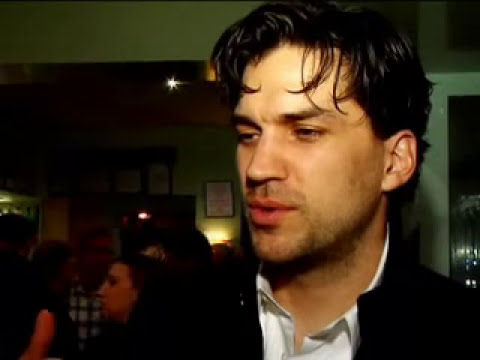
Adrift In Macao (2007) - stage musical number - non-diegetic. A mid-show thematic stop where the plot pauses to admit what the characters will not: nobody here is anchored. It matters because it turns noir atmosphere into a group confession, and it sharpens the comic stakes by treating fatalism as a catchy refrain instead of a tragedy.
As theater songs go, this one behaves like a smart title card. It suggests the world, sets the rules, and gives the performers a musical handshake: we are in on the joke, but we are still going to commit. CurtainUp singled out the title song as a standout, and I see why - it is one of the score moments where the parody relaxes and the craft takes over.
Creation History
In a BroadwayWorld interview about the score, composer Peter Melnick described chasing an "easy, mid-tempo feel" as a clue toward the title song, with a classic musical reference offered by Christopher Durang as a stylistic compass. That tracks: the number sounds like it knows the grammar of mid-century show tunes, then uses that fluency to smuggle in Durang's deadpan fatalism. The result is less spoof-for-spoof's-sake and more a clean theatrical mechanism: melody first, punchline second, character always.
Song Meaning and Annotations
Plot
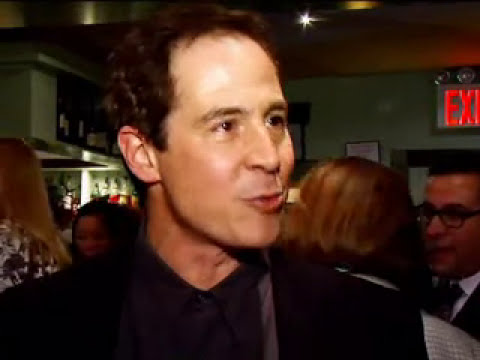
The musical plants its action in 1952 at a nightclub-casino in Macao, where a cynical owner, a newly arrived singer, a rival entertainer, and the pianist orbit scams, romance, and a looming villain named McGuffin. The tone is noir by silhouette and farce by timing: a city of intrigue, played by a small cast that never stops winking.
Song Meaning
The title number works like a thematic lantern in fog. "Adrift" is not just travel. It is a chosen alibi. Each singer frames drifting as necessity - the safer story - while the music keeps insisting it is also desire. In noir, people claim they are trapped; in this show, they are trapped in the stories they tell to sound tough, worldly, and unhurt. The song makes that mask audible, and the joke is that the mask has a pretty tune.
Style-wise, it fuses old Broadway clarity with film-noir shading: a steady pulse, clean phrases, and harmonies that feel slightly shaded around the edges. The dramatic arc is compact - resignation, then bravado, then a shared admission that Macao is where you go when you are waiting for your life to start.
Annotations
BroadwayWorld interview (composer): "easy, mid-tempo feel"
That phrase tells you what the song is built to do: glide. A mid-tempo number can carry text without sounding like patter, and it can sell irony without overplaying it.
CurtainUp review: "The title song ... is especially nice."
Translated into rehearsal-room terms: it is the kind of tune performers trust. The parody can turn sharp, but the song still gives them solid musical footing.
Music and staging notes
- Driving rhythm: A comfortable, forward-moving groove supports conversational phrasing rather than acrobatics.
- Character function: Shared vocals let each persona claim the thesis from a different angle - romantic, cynical, competitive, and serenely watchful.
- Noir touchpoints: The setting sells the shadows, but the number treats fatalism like a social mannerism, which is very on-brand for this kind of spoof.
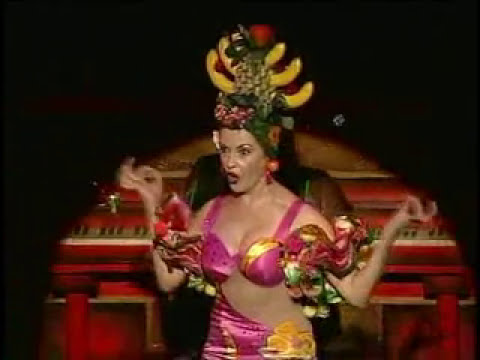
Under the hood, the lyric attitude is the trick: people narrate themselves as if they are already in a movie. That self-mythologizing is funny, but it is also the show telling you how noir works. Everyone performs detachment until somebody breaks the pose. The title song makes the pose communal - which is why it plays like the show's calling card, not just another number on the list.
Technical Information (Quick Facts)
- Artist: Rachel deBenedet
- Featured: Alan Campbell; Michele Ragusa; Orville Mendoza
- Composer: Peter Melnick
- Producer: Joel Moss; Peter Melnick
- Release Date: May 13, 2008
- Genre: Musical theater
- Instruments: Piano; reeds; drums; synthesizer; bass
- Label: LML Music
- Mood: Wry noir charm; restless longing
- Length: 4:47
- Track #: 8
- Language: English
- Album (if any): Adrift In Macao - The New Musical
- Music style: Classic Broadway
- Poetic meter: Mostly accentual with an iambic lean in longer lines (performance-driven, not strict)
Frequently Asked Questions
- Who sings the title number on the Off-Broadway recording?
- The recording credits it as a group number for Mitch, Lureena, Corinna, and Tempura, with the performers sharing the thematic statement rather than handing it to a single lead.
- Is it a plot song or a theme song?
- Both, but it behaves like a theme song. It pauses the chase to name the condition everyone is living inside: waiting, drifting, rationalizing.
- Why does the show call the villain "McGuffin"?
- It is the writers hanging a lampshade on noir mechanics. A "McGuffin" is the thing everybody pursues so the story can keep moving, and the musical turns that idea into a character.
- What kind of musical language does it use?
- Classic musical-theater phrasing with a noir tint: steady groove, clear melodic contour, and enough harmonic shadow to suggest danger without turning heavy.
- Does the number sound like pastiche?
- Yes, but not as a costume. It uses pastiche as structure, so the comedy can ride on top of a real tune rather than a sketch of one.
- Where does it land in the album sequence?
- It sits as track 8 on the Off-Broadway cast recording list, arriving after the flirtation has heated up and before the score pivots toward bigger declarations.
- Is the song meant to be funny or sincere?
- It is funny because it is sincere about a ridiculous worldview. The characters commit to their own melodrama, and the music treats that commitment as worth singing.
- What is the central idea in one line?
- Macao becomes a place where people postpone decisions, then call the postponement destiny.
- Did the cast recording come out while the show was running?
- No. According to Playbill, the cast recording was released later, after the New York run, as a single-disc commercial album.
- Is there a recommended vocal "type" for performing it in auditions?
- It is less about range fireworks and more about clean diction, timing, and the ability to sound cool while admitting you are not in control.
Awards and Chart Positions
This is cast-album territory, not pop-chart territory. The public record centers on theater accolades: nominations for the New York production and regional awards for the earlier Philadelphia run.
| Year | Award body | Category | Result | Notes |
|---|---|---|---|---|
| 2007 | Drama Desk Awards | Outstanding Music | Nominated | Recognition tied to the score and its theatercraft. |
| 2007 | Lucille Lortel Awards | Outstanding Featured Actress | Nominated | Nomination listed for Michele Ragusa. |
| 2006 | Barrymore Awards | Performance and original music categories | Won (regional) | Philadelphia honors included acting awards for cast members and a music award for Peter Melnick. |
Additional Info
The show has a tidy paper trail: early development in 2002, Off-Broadway premiere in 2007, and a commercial recording released in 2008. Concord's licensing profile pitches it as a film-noir parody with a small combo and light vocal demands, which fits the score's ethic - clarity first, comic timing always.
One of my favorite things about the title number is how it refuses to apologize for being a thesis. In a lesser spoof, the "big idea" is treated like homework. Here, it is treated like a standard. And as stated in a BroadwayWorld composer interview, the team chased a mid-tempo classic feel for the title song, which is another way of saying: they wanted it to live beyond the joke.
Key Contributors
| Subject | Verb | Object | Relationship note |
|---|---|---|---|
| Christopher Durang | wrote | book and lyrics | Primary authorial voice of the show's comedy. |
| Peter Melnick | composed | music | Score balances Broadway form with noir shading. |
| Sheryl Kaller | directed | Off-Broadway production | Credited as director for the New York premiere. |
| Primary Stages | presented | Off-Broadway premiere | Company associated with the 2007 New York run. |
| 59E59 Theaters | hosted | the Off-Broadway run | Venue for the 2007 premiere. |
| Joel Moss | produced | cast recording | Listed as producer alongside the composer. |
| Michael Starobin | created | orchestrations | Named in production credits for the show. |
| Rachel deBenedet | performed | Lureena | Lead performer associated with the title track credit on streaming. |
Sources
Sources: Playbill, Concord Theatricals, Ovrtur, BroadwayWorld, CurtainUp, Spotify
Music video
Adrift In Macao Lyrics: Song List
- In A Foreign City
- Grumpy Mood
- Tempura's Song
- Mister McGuffin
- Pretty Moon Over Macao
- Mambo Malaysian
- Sparks
- Adrift In Macao
- So Long
-
Rick's Song
- The Chase
- I'm Actually Irish
- Ticky Ticky Tock