Kinky Boots Lyrics – All Songs from the Musical
Kinky Boots Lyrics: Song List
- Act 1
- Price and Son Theme / The Most Beautiful Thing in the World
- Take What You Got
- Land of Lola
- Charlie's Soliloquy
- Step One
- Sex Is In The Heel
- The History of Wrong Guys
- Not My Father's Son
- Everybody Say Yeah
- Act 2
- What A Woman Wants
- In This Corner
- Charlie's Soliloquy (Reprise)
- Soul of a Man
- Hold Me in Your Heart
- Raise You Up / Just Be
About the "Kinky Boots" Stage Show
Six months before the official opening on a Broadway, musical was showing up on stages in Chicago. From October to November 2012 at the Bank of America Theatre in Chicago, it was possible to behold a resurrection of popular in 2005 film of the same name. It was a pre-Broadway hit, which was a success, gathering positive reviews. Finalizing what was considered necessary to modify the show after Chicago, Kinky Boots were released finally on Broadway in April 2013.The Broadway production was casted by the same actors that were in Chicago. As noted by The New York Times, many Broadway’s musicals of that times were based on books or films, and very few people can be surprised with that, but the choice of direction and staging were relevant and somewhat original. Production has collected six Tony Awards, including the award for best musical. The musical also gained about USD 135 million, which was a success, without doubt.
In November 2013 was the official closure of the musical. That was filmed for the television version of the Macy's parade. This caused discontent among the public, convinced that such blatant propaganda was wrong for a family shows, but it was met with a positive response from the LGBT community. Musical managed to visit Canada, London, South Korea, and Las Vegas.
Release date: 2013
"Kinky Boots" – The Musical Guide & Song Meanings
Review: the score that pretends it’s just here to party
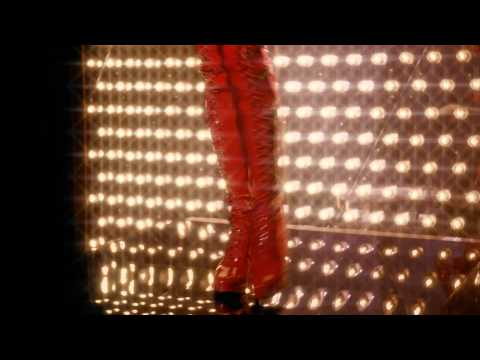
Kinky Boots has an obvious sales pitch: a pop score, a factory floor, and enough red leather to qualify as stage dressing and plot device. The sneakier pitch is lyrical. Harvey Fierstein’s book sets up a tidy “save the business” engine, but Cyndi Lauper’s words keep yanking the story back to a harder question: what do you owe the version of yourself your family paid for?
Most of the show’s big lines are built like slogans, because the characters are stuck in slogan-thinking. Charlie talks in inherited duty. Lola performs confidence like a job requirement. The lyrics repeatedly frame identity as something you wear, then pressure-test that metaphor until it hurts. When the songs land, it’s because Lauper writes men who can’t say what they mean without a melody. When they don’t, it’s because the show sometimes confuses a catchy hook with a solved problem.
Musically, this is Broadway by way of the dance floor: club pulse for Lola, bright pop for “work” scenes, and classic musical-theatre ballast when the characters finally stop joking. The style choice matters. The factory numbers turn labor into choreography, and Lola’s music turns self-invention into a beat you can follow, even if you don’t fully understand it yet. Viewer tip: if you’re new to the album, listen in this order before you watch: “Land of Lola,” “Sex Is in the Heel,” “Not My Father’s Son,” “Hold Me in Your Heart.” That sequence is the show’s emotional instruction manual.
How it was made: the true story, the pop star, the playwright
The producers’ origin myth is unusually clean: a film seen at Sundance, rights acquired, and a team assembled that could translate British understatement into Broadway volume. The creative pairing is the real story: Fierstein, a writer with deep sympathy for outsiders, and Lauper, a songwriter who knows how to make a chorus feel like a door you can walk through.
Lauper has been candid about learning the form on the job, and the best behind-the-scenes details are practical, not mystical. She has described finding the core of “Not My Father’s Son” while alone, singing the first idea out loud, then imagining the stillness around it, the clock-tick silence of a man admitting he missed the target his father set. That’s not trivia, it’s craft: a pop writer discovering how musical theatre uses quiet as punctuation.
There’s also a structural lesson in what changed along the way. Early versions had additional songs that didn’t survive to the Broadway shape, and that matters for lyric-readers: the final show keeps tightening toward one theme, fathers and sons, and how masculinity gets enforced by expectation as much as by insult. Fierstein himself has repeatedly framed the piece around two wounded men, not one fabulous costume change.
Key tracks & scenes: where the lyrics earn their keep
"The Most Beautiful Thing in the World" (Company)
- The Scene:
- Two childhoods, cut together like a music video. The factory feels grey and inherited; the red shoes feel like contraband. Lighting flips between domestic warmth and industrial chill, as if memory itself is changing gels.
- Lyrical Meaning:
- This opener plants the show’s central language: desire as something you see before you can name. The lyric is interested in what boys learn to admire in secret, and what they’re punished for wanting in public.
"Land of Lola" (Lola & Angels)
- The Scene:
- A club number that hits like a sudden weather change. Neon, bodies, and a stage picture that tells Charlie, without apology, that there are worlds where he is the one underdressed.
- Lyrical Meaning:
- On the surface it’s invitation. Underneath it’s a manifesto about chosen family. The lyric offers rules, but the rules are generous: be bold, be kind, and stop begging to be graded by people who aren’t even watching closely.
"Sex Is in the Heel" (Lola, factory team)
- The Scene:
- Back at Price & Son, the factory becomes a lab. Boots get sketched, mocked up, rejected. The lighting turns fluorescent and unforgiving. The humor is sharp, but the stakes are payroll.
- Lyrical Meaning:
- The lyric weaponizes specificity. Lola isn’t selling fantasy, she’s selling engineering, and the line about the heel is really about power: where you place your weight, and who gets to decide what “strong” looks like.
"The History of Wrong Guys" (Lauren)
- The Scene:
- Lauren steps out of the assembly line rhythm and into her own head. The staging often isolates her in a pool of light while the factory keeps moving behind her, a private confession against public routine.
- Lyrical Meaning:
- Comedy song, yes. But lyrically it’s also the show’s quiet critique of “normal.” Lauren is the character who admits that desire and self-sabotage can look identical from the outside.
"Not My Father’s Son" (Charlie & Lola)
- The Scene:
- The noise drains away. Two men, two different vocabularies for shame, finally sharing the same tempo. Many productions let the space feel empty on purpose, so the lyric has nowhere to hide.
- Lyrical Meaning:
- This is the show’s thesis in confession form. The lyric doesn’t ask the fathers for forgiveness. It asks the sons to stop measuring their lives with someone else’s ruler.
"Everybody Say Yeah" (Company)
- The Scene:
- End of Act I, the factory hits a coordinated high. Conveyor-belt energy, bodies in sync, and an optimism that feels slightly reckless. The lights brighten like a deadline.
- Lyrical Meaning:
- It’s a pep rally number, but lyrically it’s also denial with a beat. The “yeah” is collective agreement to keep going, even when nobody can guarantee the Milan plan won’t explode on contact.
"Hold Me in Your Heart" (Lola)
- The Scene:
- Lola performs in a care setting, glamour framed by fragility. The song plays like a lullaby with stage makeup, and the lighting often softens into candle tones.
- Lyrical Meaning:
- The lyric chooses grace over victory. Lola’s big gift is not confidence, it’s forgiveness, and this number argues that survival sometimes means leaving without getting the apology you earned.
"Raise You Up / Just Be" (Company)
- The Scene:
- The runway moment. Boots become proof. The staging leans into spectacle, but the best versions keep Charlie and Lola visible inside it, two men watching the life they built walk toward the audience.
- Lyrical Meaning:
- This finale works because it fuses two impulses: celebration and instruction. “Just be” is a simple phrase with a hard subtext: you can’t do it alone, and you can’t do it while asking permission.
Live updates 2025–2026: where Kinky Boots is strutting now
Information current as of January 2026. In the UK, the show is in an active new chapter: a non-replica production launched out of Curve, Leicester, and it’s now heading into a London Coliseum run from 17 March to 11 July 2026. Johannes Radebe returns as Lola, with Matt Cardle announced as Charlie Price, and Tosh Wanogho-Maud scheduled as alternate Lola for select dates and Mondays during part of the run. If you’re tracking ticket behavior, London listings show a wide band that signals both tourist demand and premium-seat confidence.
On the touring side, official tour materials continue to position this as a refreshed staging rather than a museum-piece remount. That matters for lyric-watchers: non-replica doesn’t usually mean the words change, it means the jokes land differently, the silences get longer or shorter, and the same lyric can read as braver or softer depending on how the scene is paced.
In North America, a new tour has been announced with casting for Lola and Charlie publicized in 2025. Kinky Boots has become one of those titles with a dependable ecosystem: big enough to sell tickets, flexible enough to be recast in ways that keep the central debate about masculinity and performance feeling current.
Notes & trivia
- Myth-check: “Kinky Boots” is not a drag-club plot with a factory subplot. The writers built it around two men trying, and failing, to satisfy their fathers’ expectations.
- Lauper has described finding the first spark of “Not My Father’s Son” by singing the idea to herself while alone, then hearing how much silence the lyric needed around it.
- “Sex Is in the Heel” was pushed as a standalone track early, and a remix reached the Billboard dance chart top tier, an unusual crossover lane for a Broadway-bound number.
- The London production captured live at the Adelphi Theatre became a filmed version that screened in cinemas and later streamed, expanding the audience beyond the usual Broadway and West End geography.
- Some songs from earlier versions did not make the final Broadway shape; the tightened score emphasizes the fathers-and-sons spine more aggressively.
- Time Out’s critical shorthand has stayed consistent across years: the piece can feel familiar, but the craft, energy, and lyric clarity often win crowds back.
- Practical viewing tip: if you’re seeing it live, prioritize sightlines that let you read facial detail in “Not My Father’s Son” and “Hold Me in Your Heart.” The show’s biggest lyric turns are quiet ones.
Reception: what critics argued about, and what audiences kept ignoring
Opening-week criticism tended to split into two camps: skeptics who heard a conventional uplift machine, and pragmatists who admired how efficiently the songs do their storytelling. Over time, the conversation has shifted toward performance and durability. The show’s biggest claim is not originality, it’s repeatability: it plays well in different cultures because its lyrical conflict is legible everywhere, even when the humor localizes.
“Bright, infectious melodies with simple but effective lyrics.”
That line explains why the album works as a listening experience. Lauper writes hooks you remember, then sneaks character information inside them.
“A score with driving energy and uplifting spirit.”
Variety’s praise is accurate, and also slightly dangerous. “Uplifting” is the show’s brand, but the best moments earn it by letting the lyric sit in discomfort first.
“This winsome… show puts its best foot forward.”
The Guardian’s phrasing catches what the staging often does: keep the evening brisk enough that the message feels like momentum, not a lecture.
Quick facts
- Title: Kinky Boots
- Broadway year: 2013 (opened April 2013)
- Type: Stage musical (book musical) based on the 2005 film
- Music & lyrics: Cyndi Lauper
- Book: Harvey Fierstein
- Director & choreographer: Jerry Mitchell
- Music supervision / orchestrations (Broadway credit listing): Stephen Oremus
- Original Broadway Cast Recording: released May 28, 2013 (Masterworks Broadway)
- Album chart notes: debuted #1 on Billboard Cast Albums; also charted on the Billboard 200
- Notable crossover note: “Sex Is in the Heel” remix charted on Billboard’s dance chart
- Filmed stage version: captured live at London’s Adelphi Theatre; screened in cinemas and later streamed
- Selected notable placements: “Everybody Say Yeah” is an Act I closer; “Hold Me in Your Heart” appears late in Act II in many stagings and study guides
Frequently asked questions
- Who wrote the lyrics to Kinky Boots?
- Cyndi Lauper wrote both the music and the lyrics, with Harvey Fierstein writing the book.
- Is there a movie musical of Kinky Boots?
- There is no Hollywood movie musical. There is a filmed stage version captured live in London that screened in cinemas and is available via streaming platforms in some regions.
- Where does “Not My Father’s Son” happen in the story?
- It’s the moment when Charlie and Lola finally admit they’re fighting the same battle, living under a father’s blueprint. Dramatically, it’s the show’s emotional hinge.
- Is the cast album the same as what you hear in the theatre?
- Mostly, yes, but some productions and revisions have included numbers not on the original Broadway album. The stage score can vary slightly by version and region.
- What’s the point of the repeated boot and heel imagery?
- The lyric uses footwear as a readable metaphor for identity: what you wear, what supports you, what you’re expected to carry, and what happens when the structure fails.
- What should I listen to first if I only have 20 minutes?
- Try “Land of Lola,” “Sex Is in the Heel,” and “Not My Father’s Son.” That trio gives you world, plot, and emotional core.
Key contributors
| Name | Role | Contribution |
|---|---|---|
| Cyndi Lauper | Composer & lyricist | Wrote the pop-forward score and lyrics; produced the Original Broadway Cast Recording (with key collaborators credited across releases). |
| Harvey Fierstein | Book writer | Built the dramatic spine around family expectation, masculinity, and chosen identity. |
| Jerry Mitchell | Director & choreographer | Staged the factory as kinetic storytelling and shaped the show’s high-energy theatrical vocabulary. |
| Stephen Oremus | Music supervision / arrangements / orchestrations (credited) | Helped translate Lauper’s songwriting into theatre architecture, including the album and stage presentation credits. |
| William Wittman | Album producer (credited) | Credited producer on the Original Broadway Cast Recording in multiple release notes and announcements. |
| Brian Usifer | Music director (credited) | Broadway credit listings identify him as music director for the original production. |
Sources: Official London site, official tour site, Time Out (NY and London), Playbill, Variety, The Guardian, MTI Shows, Purdue Convocations Q&A, Grammy.com, Masterworks Broadway, BroadwayWorld, Trafalgar Releasing / BroadwayHD announcements.