Hallelujah, Baby! Lyrics – All Songs from the Musical
Hallelujah, Baby! Lyrics: Song List
- Act 1
- Overture
- Back in the Kitchen
- My Own Morning
- The Slice
- Farewell, Farewell
- Feet Do Yo' Stuff
-
Watch My Dust
- Smile, Smile
- Witches' Brew
- Breadline Dance
- Another Day
-
I Wanted To Change Him
- Being Good Isn't Good Enough
- Act 2
- Dance Drill
- Limbo Dance
-
Talking To Yourself
- Halleluja, Baby!
- Not Mine
- I Don't Know Where She Got It
- Now's The Time
About the "Hallelujah, Baby!" Stage Show
The plot of the show was based on the book by Arthur Laurents. The musical was staged on Broadway in 1967 and closed in 1968. In total, the performance was shown for 293 times. B. Shevelove was a director. K. Carlisle was responsible for the choreography. The Eckarts created the scenic design, I. Sharaff – clothes and T. Musser – lighting. They said that the show had a political hint, but the creators always denied it. Actors were the following: A. Case, R. Hooks, L. Uggams & M. Cooper.The musical made a great success. It was the nominee for nine Tony Awards. The show won five of them. The production was even awarded as the best musical of that year. L. Uggams, who played the main role of Georgina, was recognized as the best musical actress. The second version appeared in New Jersey in 2004. It included new songs, which were written by A. Green. The following year the musical was seen by the audience in Washington.
Release date: 1967
"Hallelujah, Baby!" – The Musical Guide & Song Meanings
Review: what the lyrics are doing
“Hallelujah, Baby!” sells you a backstage rise and then keeps interrupting it with America. That interruption is the show. Comden and Green write lyrics that can flirt, tease, and sparkle on a nightclub stage, then snap into documentary-like clarity when Georgina hits a wall she cannot charm her way around. The score keeps offering “showbiz solution” language, then the book makes sure the solution fails in public.
The lyric voice changes depending on who is speaking. Georgina’s big numbers run on self-invention, a young woman insisting she is allowed to want more than survival. Momma’s lines are protective and cutting at once, a kind of love that learned to bargain with danger. Clem’s songs are blunt about systems, the words of a man who has stopped believing in polite patience. Harvey’s material often sounds like opportunity, until you notice opportunity is also a form of leverage.
A practical listening tip if you are coming in cold: play “My Own Morning,” then jump to “Talking to Yourself,” then “Now’s the Time.” You will hear the arc in three moves: personal ambition, emotional deadlock, political awakening. The charm is still there, but it starts to sound like a strategy rather than a mood.
How it was made
The show’s creators were Broadway veterans making a piece that wanted to be both entertainment and civic argument. It opened on Broadway in April 1967 and, famously, won the Tony for Best Musical even after it had already closed. That fact is not just trivia. It points to the story of “Hallelujah, Baby!” as a show admired in theory and debated in practice.
There is also the “version history” that matters for lyric meaning. Arthur Laurents later felt the original was too gentle in how it handled Black social progress, and the material was revisited in the mid-2000s with Laurents restaging it at Arena Stage and George Street Playhouse, with additional lyric work credited to Amanda Green. That makes the show unusually revealing to compare. The 1967 text is often careful. The later revisions try to make the careful parts feel less careful.
Even the central theatrical device is a lyric clue: Georgina tells the audience the story will cover sixty years while she stays twenty-five. That is not only a staging trick. It is the score’s secret engine. The lyrics keep asking what it costs to stay “presentable” while history keeps changing the rules around you.
Key tracks & scenes
"My Own Morning" (Georgina)
- The Scene:
- Early 1900s. A South Carolina household. Work happens in the kitchen while Georgina imagines a life that is not arranged around someone else’s comfort. The light reads like morning labor, practical and unromantic.
- Lyrical Meaning:
- This is not a daydream song. It is a blueprint. The lyrics mark Georgina’s ambition as something disciplined, not cute. She is already arguing with the job the world assigned her.
"The Slice" (Clem)
- The Scene:
- Clem arrives with news that should have been joyful: money saved for a home. Then the story turns. A white policeman has confiscated his poker winnings. The staging plays like a small domestic scene poisoned by outside power.
- Lyrical Meaning:
- The lyrics dramatize theft without melodrama. Clem’s voice is pride colliding with humiliation. The song sets the show’s pattern: progress attempted, progress blocked, dignity negotiated.
"Farewell, Farewell" (Georgina, Harvey, Company)
- The Scene:
- A Civil War melodrama rehearsal or performance, with Georgina hired to play a maid. The theatrical lights and costumes promise escape, then the benefactor objects to Black and white actors sharing the stage. The scene curdles in real time.
- Lyrical Meaning:
- The lyric irony is sharp: performance offers a job, then racism dictates the casting rules. The show is saying that “being onstage” is not freedom if the contract still belongs to someone else.
"Feet, Do Yo’ Stuff" (Georgina, Company)
- The Scene:
- The 1920s. Harlem nightclub energy. Georgina performs as one of the “Congo Cuties” while Clem works the room. A foreign prince insists she sit with him, not grasping local segregation rules, and the night erupts into conflict.
- Lyrical Meaning:
- This number turns style into survival. The lyrics flirt and entertain, but the scene reminds you that “performance” is also a workplace with racial boundaries enforced by violence.
"Smile, Smile" (Georgina, Momma, Clem)
- The Scene:
- Back in service roles. The trio mock the tone expected of them in front of employers. The staging is often tight and repetitive, like routines learned by necessity.
- Lyrical Meaning:
- The lyric is a mask-song. It shows how politeness can be coerced, how “good attitude” becomes an instruction. Comedy carries the sting because the instruction is recognizable.
"Being Good Isn’t Good Enough" (Georgina)
- The Scene:
- After Harvey admits feelings and the relationship remains impossible, Georgina is left alone with her own ambition. The room empties. The spotlight feels less like glamour and more like interrogation.
- Lyrical Meaning:
- The title is the thesis: moral behavior does not guarantee access. Georgina’s lyrics treat excellence as armor, then admit armor still cracks.
"Talking to Yourself" (Georgina, Clem, Harvey)
- The Scene:
- The 1940s. A USO setting, with Clem and Harvey in the army and Georgina performing. Pride keeps the triangle from speaking plainly. When Georgina learns integrated audiences are not allowed, the decision hits like a door slamming.
- Lyrical Meaning:
- The lyrics make emotional stalemate sound like rhythm: phrases that circle, avoid, repeat. It is romance language trapped inside segregation logic.
"Hallelujah, Baby!" (Georgina)
- The Scene:
- The 1950s. A mirrored supper club. Georgina headlines, the stage reflecting her success back at her. Clem returns as a civil rights activist, unimpressed by a victory that looks like assimilation.
- Lyrical Meaning:
- The lyrics celebrate arrival, then the story reframes arrival as a question. Who is the celebration for? The title becomes complicated: joy and compromise sharing the same melody.
"Now’s the Time" (Georgina)
- The Scene:
- A white party where Georgina is the only non-white guest. Momma is mistaken for Georgina’s maid, and the humiliation lands with a quiet inevitability. Georgina breaks, then chooses a new kind of purpose.
- Lyrical Meaning:
- The lyrics pivot from private success to public responsibility. Georgina decides to “sing for everyone’s supper,” turning the performer’s gift into a broader promise.
Live updates (2025/2026)
Information current as of January 27, 2026.
There is no active Broadway or large commercial tour cycle publicly attached to “Hallelujah, Baby!” right now. The show’s real present-tense life is licensing. Concord Theatricals continues to list the title for production requests and scripts, keeping it available for companies that want to take on its format and its history.
The last widely covered New York run in recent memory was the York Theatre Company’s 2018 “Musicals in Mufti” presentation, described as the New York premiere of the revised version Laurents created for Arena Stage and George Street Playhouse, with additional lyrics credited to Amanda Green. That matters because it signals what the rights-holders and artists consider “current” in the text.
If you are tracking the album side, the Original Broadway Cast Recording remains in circulation through major catalog channels, and Masterworks’ own entry notes the first LP release date in 1967. For collectors, Discogs documents early pressings under Columbia Masterworks, while modern reissues tend to sit under Sony’s Broadway catalog branding.
Notes & trivia
- The show opened on Broadway April 26, 1967, and closed January 13, 1968, after 293 performances (plus 22 previews).
- It is a rare case: it won the Tony Award for Best Musical after it had already closed.
- The story device is explicit: Georgina tells the audience the show will span sixty years while she remains twenty-five, umbrella in hand.
- Arthur Laurents later said the original was written with Lena Horne in mind.
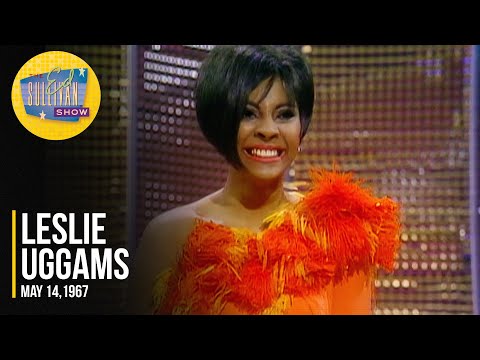
- The title song was performed by Leslie Uggams on The Ed Sullivan Show on May 14, 1967.
- The 2018 York Theatre “Mufti” presentation was billed as the New York premiere of Laurents’ revised version, with additional lyrics by Amanda Green.
- Masterworks’ album page lists “First LP release: May 5, 1967.”
Reception and critic quotes
Critics have tended to agree on the same tension: the score is full of craft and charisma, while the book’s method can feel like a guided tour rather than lived drama. That debate gets sharper when the show is revived, because history has moved on and the writing is judged against later, more detailed theatrical treatments of civil rights onstage.
“a course in Civics One when everyone else in the world has already gotten to Civics Six.”
“This play undoubtedly had a lot more to say to the world in 1967 than it does in 2004.”
“There is much good material here… the musical seems somewhat unfocused.”
Quick facts
- Title: Hallelujah, Baby!
- Year: 1967 (Original Broadway production)
- Type: Full-length musical; docudrama/history framing
- Book: Arthur Laurents
- Music: Jule Styne
- Lyrics: Betty Comden, Adolph Green
- Setting: America from the turn of the century through the 1960s
- Original Broadway theatre and run: Martin Beck Theatre; Apr 26, 1967 to Jan 13, 1968
- Selected notable placements: Umbrella prologue address to audience; Harlem club “Congo Cuties” sequence; USO and bus incident; mirrored supper club headline; white party misrecognition turning point
- Album: Hallelujah, Baby! (Original Broadway Cast Recording); first LP release date noted as May 5, 1967
- Availability: Licensed through Concord Theatricals
Frequently asked questions
- Can you publish the full “Hallelujah, Baby!” lyrics here?
- No. Full lyrics are copyrighted text. I can help with song-by-song meaning, narrative placement, and what the writing is doing dramatically.
- What is the show’s framing device?
- Georgina addresses the audience directly at the start, explaining the story spans decades while the principal characters remain the same age.
- Is there a “best” version to start with: 1967, the 2004 revision, or later concert runs?
- If you want the historical artifact, start with the 1967 cast album. If you want the “updated” intent, look for materials tied to the Arena Stage/George Street revision that later played in New York as the 2018 Mufti presentation.
- Where does the title song happen in the story?
- In the 1950s nightclub sequence, with Georgina headlining in a chic supper club setting.
- Why does the show keep returning to backstage and nightclub settings?
- The score uses performance spaces as social laboratories. Who applauds, who controls the room, and who is permitted to belong are always part of the scene.
- Is the show available for licensing in 2026?
- Yes. Concord Theatricals lists it for licensing and scripts as of January 27, 2026.
Key contributors
| Name | Role | Contribution |
|---|---|---|
| Arthur Laurents | Book | Built the decade-spanning frame and later revisited the script for 2000s revisions. |
| Jule Styne | Composer | Wrote a score that moves from period pastiche to nightclub punch and reflective ballad writing. |
| Betty Comden | Lyricist | Co-wrote lyrics balancing show-business wit with social commentary. |
| Adolph Green | Lyricist | Co-wrote lyrics known for conversational snap and character specificity. |
| Amanda Green | Additional lyrics (revisions) | Credited with additional lyric work for the 2004/2005 revised version. |
| Leslie Uggams | Original Georgina | Defined the lead’s sound and public image; performed material on major TV platforms in 1967. |
| Concord Theatricals | Licensing | Current licensing and script access pathway for companies producing the work. |
Sources: Concord Theatricals; The Guide to Musical Theatre; IBDB; Masterworks Broadway; Playbill; The Washington Post; CurtainUp; Wikipedia; Discogs; YouTube (Ed Sullivan Show).