
Forever Plaid Lyrics: Song List
- Deus Ex Plaid
- Three Coins in the Fountain
-
Gotta Be This or That/Undecided

- Moments to Remember
- Crazy 'Bout Ya' Baby
- No, Not Much
-
Perfidia
- Cry
-
Sixteen Tons/Chain Gang
-
Private Functions
-
The Golden Cardigan/Catch a Falling Star
- Heart and Soul
-
Carribean Plaid
-
Lady of Spain
-
Scotland the Brave
-
Shangri-La/Rags to Riches
-
Love is a Many Splendored Thing
About the "Forever Plaid" Stage Show
May, 1990 – the opening of this musical in The Wisdom Bridge Theatre by Steve McGraw within the Off-Broadway, under the direction of American Stage Company. J. Raitt performed several works in this production – he was director of music, vocals and arrangements of both music & vocals. S. Ross can surely be regarded as the second founder, as he also performed several roles: the author of the libretto, choreographer and director. D. Snyder played the piano & was director of music as well.
David Hyde Pierce was invited as the fifth main member of the exhibition, where he depicted the narrator.
The musical has not won any awards, however, as part of its team, which made the film, there is a star member – Alan Helm (he has both Oscar & Emmy). Hits of musical, namely Catch A Falling Star & The Golden Cardigan, are missing in the motion picture, as they were replaced by other works.
Subsequent resurrection of this musical was performed in Halifax (with a title Plaid Tidings), lightweight story, with less compelling lyrics and songs. Music Theatre International is the company that distributes the rights to this version. There is also a version of the musical for educational facilities: The Sound of Plaid, which was created by the same company. Forever Plaid 20th Anniversary was logically released nearly after 20 years from the start – in 2008, when the film came out, the musical has been 18-years-old since 1990. We can say that this is not a film, but simply a specific video of resurrection of off-Broadway's spectacle, directed by Stuart Ross. There is no data on the box office of the film there because it was produced exclusively for television, in Los Angeles, not having in mind to roll it on the big screens. Duration – half an hour.
The musical was played by such actors: R. Gosch, S. Chandler, J. A. Worley, D. Engel, T. Bingham, L. Raben, D. H. Pierce, D. Reichard.
Release date of the musical: 1990
"Forever Plaid" – The Musical Guide & Song Meanings
Review
How do you write a musical that is mostly other people’s songs, and still make it feel authored? “Forever Plaid” answers with control. It is a one-act revue, but it behaves like a book musical. The plot is thin, yes, and it is meant to be. Four clean-cut singers die on the way to their big break, then return for one last gig. That premise lets every lyric in every borrowed song land like a second chance, and it turns nostalgia into a dramatic device instead of a scent sprayed in the lobby.
The show’s emotional trick is restraint. The Plaids never beg for your sympathy, but they are built to earn it. The patter leans boyish. The harmonies lean exacting. And because the musical language is pre-rock, the night keeps contrasting innocence with ambition. That friction is the theme. These guys want stardom, but what they really want is to be heard without the world changing the station.
Musically, this is close-harmony pop with barbershop discipline. Four-part voicings do the storytelling, and the arrangements behave like character work. A ballad becomes a confession. A novelty number becomes group therapy. Even the medleys carry subtext. They feel like the Plaids rehearsing their way out of regret, one cadence at a time.
How It Was Made
Stuart Ross wrote the revue and originally directed and choreographed it, with musical and vocal arrangements and music direction by James Raitt. The piece evolved before it became the long-running Off-Broadway title people quote. Ross has described early versions at the West Bank Cafe in the late 1980s, then later rewrites that sharpened the central twist: the Plaids are dead, and the show is their posthumous shot at the dream. That rewrite matters. It gives the evening stakes, and it keeps the sweetness from floating away.
There is also a very specific cultural bullseye. Masterworks Broadway frames the show as an answer to the common 1950s mythos of rebels and rock icons, focusing instead on harmony, etiquette, and the “good guy” vocal groups. That choice is not neutral. It is the thesis of the entire score. The Plaids are a fantasy of order, staged in an era where order was about to be replaced by volume.
Raitt’s contribution is the glue. A revue like this survives on transitions and keys. It needs modulations that sound inevitable, and it needs harmony parts that sell personality. His arrangements turned a string of standards into a single evening with a pulse.
Key Tracks & Scenes
"Three Coins in the Fountain" (Frankie and Plaids)
- The Scene:
- They announce themselves like a real act, then sing as if the room is a cocktail lounge with perfect acoustics. The first smile is bright. Then the show drops the fact of death with casual bluntness, while the harmony stays polite.
- Lyrical Meaning:
- Romance lyrics become a substitute for biography. The song is their calling card, and also a cover. They are telling you who they wish they were, before telling you what happened.
"Gotta Be This or That / Undecided" (Plaids)
- The Scene:
- A precision drill in bow ties. They squabble over tiny musical choices, the way friends do when friendship is the real job. The stage picture is square, neat, almost over-rehearsed.
- Lyrical Meaning:
- The lyrics are about indecision, but the joke is that their lives ended in the middle of deciding anything. The medley turns a light standard into an anxiety song, without changing a word.
"Perfidia" (Sparky and Plaids)
- The Scene:
- Lighting softens. The tempo relaxes. One Plaid steps forward, and the others become a human echo behind him. It is the first time the evening feels alone.
- Lyrical Meaning:
- “Betrayal” hits differently when the betrayer is time. This is the show admitting its sadness. The Spanish-language ache also lets the Plaids sound older than their own story.
"Sixteen Tons / Chain Gang" (Smudge, Frankie, Plaids)
- The Scene:
- The mood flips into work-song grit. The choreography gets heavier. Smiles turn into effort, and the group harmony starts to feel like labor instead of leisure.
- Lyrical Meaning:
- This is the Plaids’ class consciousness, slipped into a nostalgia show. The lyrics drag the evening away from prom-night sweetness and remind you these guys have day jobs and limits.
"Private Functions" (The Medley) (Plaids)
- The Scene:
- They sprint through weddings and community events, shifting posture and tone with quick, almost cartoon clarity. The lighting snaps like photo flashes. It feels like a scrapbook performed at double speed.
- Lyrical Meaning:
- The medley is ambition in miniature. Their dream is not abstract. It is gig-to-gig survival, hoping every banquet room leads to a real stage.
"Caribbean Plaid" (Medley) (Jinx, Frankie, Plaids)
- The Scene:
- Act II opens in vacation color. The jokes loosen. The quartet leans into lounge fantasy, as if they have finally booked a glamorous job that never existed in their timeline.
- Lyrical Meaning:
- This is escapism played honestly. The Plaids imagine an alternate career path, and the show lets them have it for a few minutes, because that is the mercy of the premise.
"Mercury / Lady of Spain" (Jinx and Plaids)
- The Scene:
- It becomes a showcase for musical “tricks,” fast tongue work and crowd-pleasing flourishes. The staging often feels like a vaudeville turn, ready-made for applause breaks.
- Lyrical Meaning:
- These songs are about performance as identity. The Plaids do not have a discography, so they build a personality out of cleverness and stamina.
"Shangri-La / Rags to Riches" (Smudge and Plaids)
- The Scene:
- The harmony swells into cinematic yearning, then pivots into swagger. The mood is half dream, half hustle. It is the closest the show gets to a Broadway-sized transformation.
- Lyrical Meaning:
- “Shangri-La” is the unreachable ideal. “Rags to Riches” is the sales pitch. Placed together, they become the Plaids’ whole philosophy: believe in heaven, advertise in the meantime.
"Love Is a Many-Splendored Thing" (Plaids)
- The Scene:
- Finale posture. They sing like men finishing a duty. The arrangement lands with ceremonial calm, then the evening folds back into the cosmic joke that brought them here.
- Lyrical Meaning:
- The lyric is bigger than the Plaids’ short lives, which is the point. The song becomes their closing argument for why the dream mattered, even if it ended early.
Live Updates
Information current as of January 24, 2026. “Forever Plaid” does not function like a single commercial tour in 2026. It behaves like a repertory staple. Licensing and presenter calendars show multiple professional and community productions booked through late 2025 and early 2026, including a fall 2025 run in Winter Park, Florida and a 2026 season slot at the Ruth and Nathan Hale Theater in Utah. MTI’s production listings also show additional early-2026 dates at other U.S. venues, which is a strong indicator of steady demand rather than revival hype.
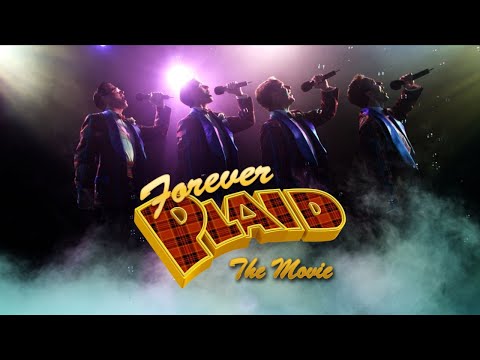
There is also a screen-life afterlife. A filmed performance version, “Forever Plaid: The Movie,” was produced as a cinematic release, with David Hyde Pierce as narrator. For SEO and audience intent, this matters because many modern searches for “Forever Plaid” are really searches for watch options, not stage rights.
Notes & Trivia
- The Plaids’ fatal accident is tied to the Beatles’ U.S. TV debut night, a darkly comic contrast that keeps the premise historically pointed.
- The show’s musical-number architecture is published openly, including medleys that function as mini set-pieces: “Private Functions” and “Caribbean Plaid.”
- James Raitt, the musical arranger and supervisor most associated with the show’s sound, died in 1994 at age 41; major newspapers credited him for his work on “Forever Plaid” and other Broadway projects.
- The original Off-Broadway venue is historically linked with cabaret branding changes: Palsson’s, Steve McGraw’s, Stage 72, and the Triad Theater identity over time.
- The cast recording exists as a 1990 release on RCA Victor, and is also distributed in modern catalog form by Sony’s Broadway imprint.
- MTI describes a signature moment of stagecraft: immediately after the opener, Sparky breaks the illusion to explain that the Plaids are dead, reframing the concert as unfinished business.
Reception
Early reaction often framed the show as “charming” because the musicianship is the punchline. In 1990, Time wrote that even if you do not remember the specific cultural targets, the humor and musicianship should still win you over. That is the show’s long-term advantage. A reference can age, but a clean cadence does not.
Later reviews are more candid about the thinness of the story, while still acknowledging the craft of the act. Variety’s 2000 review called the plot strained, but its existence as a revived, reviewed title is the real headline. A flimsy plot does not usually get that kind of endurance without an audience-level reward.
“Even if you don’t remember the bland, white, close-harmony boy pop groups … the daffy humor and deft musicianship should prove charming.”
“The strained and nearly vacant plot … concerns a group of young former high school classmates who have formed a vocal quartet …”
A London review praised the revue’s comic construction and its enduring appeal as cabaret-style musical entertainment.
Quick Facts
- Title: Forever Plaid
- Year: 1990 (Off-Broadway opening); created and developed in the late 1980s
- Type: One-act musical revue
- Book: Stuart Ross
- Music & lyrics: Various artists (standards associated with 1950s close-harmony groups)
- Arrangements / musical direction (original): James Raitt
- Original Off-Broadway venue: Steve McGraw’s (later venue identity connected to the Triad/Stage 72 lineage)
- Original Off-Broadway run dates: May 20, 1990 to June 12, 1994
- Notable song groupings: “Private Functions” medley; “Caribbean Plaid” medley; “Shangri-La / Rags to Riches” pairing
- Cast album: “Forever Plaid (Original Cast Recording)” on RCA Victor; widely re-distributed digitally
- Screen version: “Forever Plaid: The Movie” (filmed performance; narrator David Hyde Pierce)
- Awards: Listed as a Drama Desk nominee for Outstanding Musical Revue (1990)
Frequently Asked Questions
- Is “Forever Plaid” a jukebox musical?
- Yes, in practice. The show uses existing songs by various writers, but the book and the arrangements shape them into a single premise and arc.
- What is the plot in one sentence?
- Four 1950s-style singers die on the way to their big gig and return for one last performance.
- What are the most important songs to know?
- Start with “Three Coins in the Fountain,” then “Perfidia,” then “Sixteen Tons / Chain Gang,” and end with “Love Is a Many-Splendored Thing.” Those numbers trace innocence, longing, labor, and closure.
- Is there a movie version?
- Yes. “Forever Plaid: The Movie” is a filmed performance release with David Hyde Pierce as narrator.
- Is the show touring in 2025 or 2026?
- It is not a single branded tour in most markets. It appears regularly on regional and community calendars, with multiple booked productions listed for late 2025 and early 2026.
- Who are the Plaids?
- The quartet is typically Frankie, Jinx, Smudge, and Sparky. The names are part of the period joke and part of the show’s tenderness.
Key Contributors
| Name | Role | Contribution |
|---|---|---|
| Stuart Ross | Book, original direction and choreography | Created the afterlife premise and staged the quartet’s comic-musical grammar. |
| James Raitt | Arrangements, musical direction, vocal arranging | Built the harmony language that makes the show feel authored rather than compiled. |
| Guy Stroman | Original cast (Frankie) | Anchored the “front man” energy and several of the early-set tone shifts. |
| Stan Chandler | Original cast (Jinx) | Comic timing and patter delivery in the tight-cadence ensemble style. |
| David Engel | Original cast (Smudge) | Grit and warmth in the lower harmony lines; featured in later screen version history. |
| Jason Graae | Original cast (Sparky) | High-line sparkle and direct-to-audience framing that shapes the evening’s tone. |
Sources: Music Theatre International (MTI), Masterworks Broadway, Wikipedia, Time, Variety, MusicalTheatreReview.com, Los Angeles Times, Discogs, Playbill, Winter Park Playhouse, The Ruth at d?TERRA (Hale Center Theater), MTI production listings.