Colma Lyrics – All Songs from the Musical
Colma Lyrics: Song List
- Colma Stays
- Crash the Party
- Deadwalking
- Could We Get Any Older?
-
Things Will Get Better
About the "Colma" Stage Show
The musical-film that has a very low budget is a debut work of director H. P. Mendoza. So much so, that it seems as if the creator had no professional equipment at all. He also starred in one of the main roles, and worked as operator and as an editor. The musical has 13 songs and they are all written, performed and recorded by producer / director H. P. Mendoza. Lions Gate Entertainment was the company that in partnership with Mendoza performed the release. The premiere took place in 2006 in San Francisco, at the local film festival. That isn’t surprising, because the whole film was shot mostly in the wonderful suburbs of city called Colma, suburb of one, and several scenes – in San Francisco itself. Three Special Jury Prizes went to film only because of its active promotional campaign organized by – you guessed it right – Mr. Mendoza. Wide release took place in 2007. It is not known whether the creation paid off commercially, but with some probability, yes.H. P. Mendoza wrote the original script for the film as a birthday gift to his friend, Richard Wong, who later co-produced with H. P. Mendoza making the film. In just 7 days, the scenario adaptation has been prepared at the request of Wong. The film shooting was done in 18 days, while editing lasted for several months. The budget had not been three dollars, but also ridiculous – USD 15.000 and was sold to Lions Gate Entertainment and its distribution company has become Roadside Attractions.
Release on DVD took place in 2007, which included deleted scenes and director's commentary. Adoption of the film was largely positive, with a rating of 90% on Rotten Tomatoes. In addition to those already mentioned Special Jury Prize, the film received a Gotham Award and Independent Spirit Award, in special categories.
Release date: 2006
"Colma: The Musical" – The Musical Guide & Song Meanings
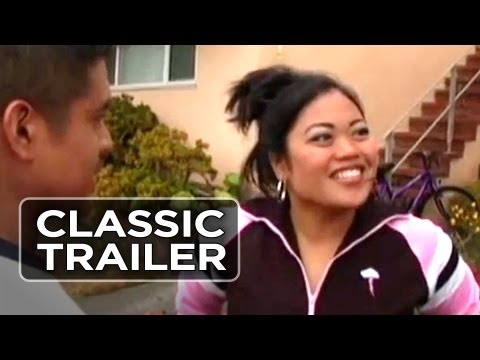
Review
Why does a story about three teenagers doing nothing feel so busy? Because the lyrics refuse to let them hide. "Colma: The Musical" is built on ordinary sentences that suddenly turn into melody, like the film is catching its own characters mid-thought and forcing them to finish the idea. Beth Accomando’s KPBS piece nails the core tension: drab surroundings against a dynamic score, classic musical convention rubbing up on real-world friction. The writing leans into that friction, then laughs at it, then admits it hurts.
H.P. Mendoza’s songs act like diary entries you can sing in a parking lot. The rhymes are clean enough to land jokes, but pointed enough to bruise. The musical language toggles between bright, bouncy pop and a more formal, almost old-school number structure. That split matters. Billy’s showbiz hunger wants tidy musical payoff; Rodel and Maribel live in messier harmonies, where a punchline can turn into a confession in the next bar. The town’s famous cemeteries haunt the text in a practical way, too. Even the funny songs carry an aftertaste of time running out.
How It Was Made
The origin story is unusually literal: a couple of songs written for a friend sparked a whole film. Richard Wong writes that he heard “Goodbye Stupid” and “Colma Stays” and had the jolt of clarity that the next project had to be a movie, and a musical at that. The production pace was equally blunt. Wong asked if Mendoza could turn the songs into a story, and Mendoza answered: seven days. They accelerated everything: writing, revising, casting, recording, then shooting, with the sense that speed was a creative choice rather than a compromise. Wong describes a homespun process where apartments became offices and audition rooms, and where the point was making something for themselves, not building a product pitch.
That attitude shows up in the lyrics. They are not trying to sound “important.” They are trying to sound like friends who have known each other too long and can’t stop telling the truth. The film’s musical staging often commits to long takes, letting the words sit inside real spaces. Even when a moment turns heightened, it stays pinned to Colma’s everyday textures: parties, malls, bathrooms, sidewalks, fog.
Key Tracks & Scenes
"Colma Stays" (Billy, Rodel, Maribel)
- The Scene:
- Early in the story, the trio frame their hometown like a dare. The camera treats the streets like a stage, with a casual, bright surface that keeps hinting at how stuck they feel underneath.
- Lyrical Meaning:
- This is the show’s thesis statement. The hook sounds like a shrug, but it is a warning: the town is not only a place, it is a habit. The lyric keeps circling the same idea because the characters do, too.
"Things Will Get Better" (Ensemble, led by the friends)
- The Scene:
- A forward-facing pep talk delivered with the energy of kids trying to will their future into existence. The optimism lands as performance, then keeps going until it becomes need.
- Lyrical Meaning:
- The song’s comfort is also its problem. “Better” stays vague, which mirrors how post-graduation hope often works: you can say it, sing it, repeat it, and still not know what it looks like.
"Crash the Party" (Maribel)
- The Scene:
- Maribel barrels into a party with raucous confidence, the night lit like a temporary kingdom. The number moves fast, a rush of social noise and restless appetite.
- Lyrical Meaning:
- It is rebellion as cardio. The lyric reads like a refusal to be left behind, but it also exposes the fear of quiet. If she stops moving, she might have to choose a life.
"Goodbye, Stupid" (Billy, Rodel, Maribel)
- The Scene:
- A big “friendship pact” number that plays like a tradition the characters are both mocking and depending on. The tone is loud, the feelings sneak in anyway.
- Lyrical Meaning:
- The title is a joke, but the song is a hinge. It captures the moment when closeness becomes a boundary. Saying goodbye feels like betrayal, even when everyone knows they have to grow.
"Deadwalking" (Rodel and Maribel)
- The Scene:
- Shot in a cemetery, the music sits in a grieving waltz feel. The light is soft and flat, the kind of daytime that makes everything look honest.
- Lyrical Meaning:
- This is where Colma’s burial-ground identity stops being trivia and turns into metaphor. The lyric treats adolescence as a half-life: still moving, still joking, but already practicing how to mourn the person you were five minutes ago.
"Friend Joseph (Montage)" (Billy)
- The Scene:
- Billy’s regional-theater moment arrives with comic literalness. Rehearsal energy and performance energy blur, like he cannot tell whether he wants art or applause more.
- Lyrical Meaning:
- The lyric is a portrait of ambition that never stops narrating itself. It is funny because it is specific, then sharp because it is recognizable: the dream is real, and so is the neediness.
"In Ten Years" (Ensemble)
- The Scene:
- A future-gazing number that plays like a group photo taken too early. The mood is buoyant on top, anxious below, with friends trying to agree on a shared timeline.
- Lyrical Meaning:
- This is the show’s long echo. The lyric measures time the way teenagers do: in big jumps, in imagined milestones, in promises they cannot yet keep. It makes nostalgia in advance.
"Car-Alarm Drunk Number" (Rodel)
- The Scene:
- After a party, Rodel sets off a car alarm and uses it as a metronome, singing with a deliberate, “classic” phrasing joke baked into the staging.
- Lyrical Meaning:
- The lyric turns embarrassment into style. It is a defense mechanism: if you can make your own worst moment sound composed, maybe you can survive it.
Live Updates
Information below is current as of January 23, 2026. "Colma: The Musical" is not a stage tour property in the usual Broadway sense; it remains primarily a film musical with an afterlife driven by streaming, repertory screenings, and fan rediscovery. Rental and purchase options are currently listed via services such as Fandango at Home, and availability can include library-friendly platforms like Kanopy as well as ad-supported options depending on territory and licensing windows.
The soundtrack’s long-tail story matters for lyric fans. A widely listed "Original Motion Picture Soundtrack" release date lands in 2013, well after the film’s initial festival and theatrical run. That gap is part of why the songs travel: they can be found and re-found, detached from release-week hype, and judged on how well the words still hit when you are older than the characters.
If you are revisiting the work as a listener first, start with “Colma Stays,” then jump to “Deadwalking.” The first tells you what the show wants to be; the second tells you what it is willing to admit.
Notes & Trivia
- The film was built from an ultra-lean, do-it-yourself process, including a famously fast early script turnaround described by Richard Wong.
- KPBS reports Mendoza wrote some songs by turning mundane dialogue into music on purpose, including a bathroom exchange, as a comedy and structure experiment.
- KPBS also highlights a drunken sequence where a car alarm becomes the beat, with Mendoza joking about singing it in a Bacharach style.
- A 10th anniversary CAAMFest screening in March 2016 included cast-and-crew reunion energy and a sing-along format that treated the lyrics like communal ritual.
- Rotten Tomatoes reports strong critical approval, which is unusual for micro-budget musicals that openly flirt with awkwardness.
- The commercially available soundtrack listing commonly associated with the film is dated 2013 and presents an expanded track count beyond the film’s core musical-number framing.
Reception
"Colma: The Musical" has always split the difference between critical affection and cult privacy. It is small enough to feel like a secret, but structured enough to invite real review language about craft. Critics often land on the same point: the movie should not work, yet it does, mainly because the songwriting commits to specificity.
“An itty-bitty movie with a great big heart.”
“All logic suggests that ‘Colma: The Musical’ should not work. But Wong and Mendoza make it work...”
“Three teens contemplate life after high school while singing their hearts out in this fresh musical.”
Quick Facts
- Title: Colma: The Musical
- Year: 2006 (festival premiere); theatrical release followed later
- Type: Independent film musical
- Music & Lyrics: H.P. Mendoza
- Director: Richard Wong
- Selected notable placements: “Deadwalking” staged in a cemetery; a party-after sequence built around a car alarm as rhythm
- Release context: Premiered at a San Francisco Asian American film festival setting; developed a festival-to-cult pipeline
- Soundtrack status: "Original Motion Picture Soundtrack" widely listed as a 2013 release, with an expanded track count
- Availability notes: Streaming and rental availability varies; major aggregators list buy/rent and free options depending on platform and region
Frequently Asked Questions
- Is "Colma: The Musical" a stage musical or a movie?
- It is a film musical. The songs are integrated into a coming-of-age story set in Colma, just south of San Francisco.
- Who wrote the lyrics?
- H.P. Mendoza wrote the songs and the screenplay, and he also appears on screen.
- Where does “Deadwalking” happen?
- The number is staged in a cemetery, and the setting is part of the song’s meaning: adolescence framed as living next to endings.
- Why do the songs sometimes sound like normal dialogue?
- That is part of the joke and the method. Mendoza has discussed writing mundane exchanges into music to test how far musical form can stretch without breaking.
- Is there an official soundtrack album?
- Yes. A commonly listed "Original Motion Picture Soundtrack" release appears on major music services with a 2013 date and a 21-track program.
- Where can I watch it now?
- Availability changes by country and license window, but major aggregator listings commonly include rental or purchase options, plus free-library or ad-supported options in some regions.
Key Contributors
| Name | Role | Contribution |
|---|---|---|
| H.P. Mendoza | Songwriter, Screenwriter, Actor | Wrote the songs and lyrics, shaped the teen voice, and performs as Rodel. |
| Richard Wong | Director, Cinematographer, Editor | Directed with a nimble, on-location style and documented the project’s DIY making-of story. |
| Jake Moreno | Actor | Plays Billy, whose ambition drives several performance-centered songs and scenes. |
| L.A. Renigen | Actor | Plays Maribel, the engine of the party-forward, restless numbers. |
Sources: KPBS, CAAM (CAAMedia blog), SFGATE, Rotten Tomatoes, JustWatch, TV Guide, RingoStrack, LAist, YouTube.