Bugsy Malone Lyrics – All Songs from the Musical
Bugsy Malone Lyrics: Song List
About the "Bugsy Malone" Stage Show
"Bugsy Malone" transports viewers away on a magical ride to 1929 New York, where gangsters rule the roost-but with a twist. Two rival gang leaders, Fat Sam Stacetto and Dandy Dan, continuously attempted to outdo one another for the top spot in the city. Fat Sam's Grand Slam Speakeasy faces a threat as Dandy Dan's gang brings along a new weapon: the splurge gun, which fires not bullets but whipped cream. Weakened by the splurge attacks, Fat Sam enlists Bugsy Malone, a streetwise but kind-hearted outsider with dreams of taking his sweetheart, Blousey Brown, to Hollywood. Torn between loyalty to Sam and this new dream with Blousey, Bugsy becomes embroiled in the escalating feud.The story works out the slant through showing new innocence as Bugsy tries to win Blousey's heart in a setting of chaotic gang wars and numerous botched schemes. Bugsy stays true to Blousey despite attempts by Tallulah to seduce him, promising that he will leave his life of crime. The plot thickens into an enormous messy showdown at the speakeasy with pies, whipped cream, and flour bombs flying through the air. In the end, the foes realize how futile their battles are, and a truce is called. Now settled amicably, Bugsy and Blousey get their affairs together and go forth towards their visions, leaving all the comic chaos of Fat Sam's world behind them.
Release date: 1976
"Bugsy Malone" – The Musical Guide & Song Meanings
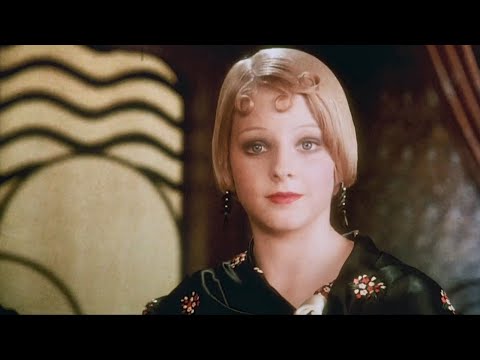
Review: a kid-sized world singing grown-up sentences
How can a musical be sweet, blunt, and slightly cruel at the same time? “Bugsy Malone” manages it by making its characters talk like tough adults, then letting the lyrics admit what the dialogue refuses: everyone is scared of being nobody. The score is period-flirtation rather than museum jazz. It borrows the swing attitude, then modernizes the emotional temperature, so a young audience can read the stakes instantly. That decision matters. It makes “Bad Guys” feel like a playground anthem with a bruise underneath, and it turns “Ordinary Fool” into a romantic reality check instead of a swoon. The words keep pushing the plot forward, but the bigger trick is how they keep re-framing ambition. In this story, “Hollywood” is less a place than a promise that the world might finally reward decency.
And then there’s the famous mismatch: child actors lip-syncing to adult singers. It can land as uncanny. It can also land as a theme. The film is about kids trying on adulthood and realizing the costume fits badly. The adult vocals make that discomfort audible. Even when the lyric is hopeful, it arrives with a tired tone. That’s not an accident of taste. It’s part of the sting. (Parker and Williams later voiced doubts about the choice, which only sharpens how you hear the album now.)
How it was made: bedtime gangsters, deadline music
Before it was a film, Alan Parker described “Bugsy Malone” as a story he invented for his small children on long car journeys, a gangster-and-showgirls fantasy with kids in the back seat insisting the cast should be kids too. That origin explains the tone better than any academic label: it’s playacting with real craft behind it. Parker also framed the script as being about “American movies” as much as America itself, built from the rhythms of classic Hollywood genres rather than lived-in realism.
Paul Williams came in as the songwriter with a specific kind of pressure. In interviews, he’s spoken about giving himself “impossible challenges,” including writing a full song score for “Bugsy Malone” on an aggressive timeline. Another piece of lore is less romantic and more perfect: a Guardian music piece reports that Williams and Parker thrashed out basic song ideas in a Las Vegas deli. That is exactly where this score belongs. Not a garret. Not a grand piano by candlelight. A booth, a deadline, and jokes that have to scan.
The production logistics became part of the sound. Wikipedia’s production notes describe songs being recorded and sent in from the road, with the filmmakers effectively needing to use what arrived. That helps explain why the soundtrack album plays like a set of finished singles. It’s tight. It’s direct. It rarely lingers.
Key tracks & scenes: 8 moments where the lyric turns the story
"Bugsy Malone" (Company / Narration)
- The Scene:
- New York, 1929, as a movie memory. The camera introduces a world that looks like it learned crime from the cinema. The lighting is bright enough to keep the danger playful, but the faces still want to be taken seriously.
- Lyrical Meaning:
- The lyric sells Bugsy as myth and shrug at once. “Candy-coated” charm meets loneliness. It’s an opening number that tells you the plot engine: reputation moves faster than truth.
"Fat Sam’s Grand Slam" (Fat Sam / Ensemble)
- The Scene:
- A speakeasy that runs on choreography. The room is busy, loud, proud of its own mess. Every corner is a performance. Even the threats feel like a dance step.
- Lyrical Meaning:
- This is a business anthem disguised as a party. The lyric makes “home base” sound fun, then sneaks in paranoia. The joke is that the gangsters crave stability as much as power.
"Tomorrow" (Company)
- The Scene:
- Hope arrives like a poster on a wall. The staging often plays it open and forward-facing, as if the characters are auditioning for the future in real time.
- Lyrical Meaning:
- “Tomorrow” functions as the show’s cleanest spell: say the word, and the present stops hurting for a minute. The lyric doesn’t deny hardship. It just insists that waiting can be active.
"Bad Guys" (Fat Sam’s Gang)
- The Scene:
- A lineup of would-be hoodlums presenting themselves like a chorus line of trouble. It’s comic, but the framing is crisp, almost like a recruitment ad for bad choices.
- Lyrical Meaning:
- The lyric is a boast that accidentally confesses regret. They sing about what they could have been, then pivot to pride. That pivot is the tragedy. It’s how people learn to live with wasted potential.
"My Name Is Tallulah" (Tallulah)
- The Scene:
- Tallulah takes the room like it owes her money. Spotlight logic: one figure, sharp angles, a grin that reads as armor. The number is flirtation with teeth.
- Lyrical Meaning:
- The lyric is pure self-invention. She names herself so the world can’t. Under the sass is a survival rule: if you control the story, you control the risk.
"So You Wanna Be a Boxer?" (Cagey Joe / Leroy / Company)
- The Scene:
- A training sequence that moves like a pep talk and a warning at once. The light feels practical. Sweat, routines, repetition. The fantasy gets replaced by labor.
- Lyrical Meaning:
- The lyric teaches the show’s moral math: talent isn’t enough, and dreams have a cost. It also positions Bugsy as a maker of futures, not a fighter himself.
"Ordinary Fool" (Blousey / Bugsy)
- The Scene:
- A romantic pause with the air taken out of it. The setting turns softer, but the emotional lighting is harsher. A promise is tested against receipts and timing.
- Lyrical Meaning:
- This is the score’s most adult lyric in a story about pretend-adults. “Ordinary Fool” is love confronting the con artist’s reflex. It’s not cruelty. It’s clarity.
"Down and Out" (Company)
- The Scene:
- A soup kitchen sequence that shifts the film into something briefly stark. The space is crowded, the mood lowered, the comedy turned down. It’s where the stakes stop being cute.
- Lyrical Meaning:
- The lyric opens the world beyond gangsters. Poverty becomes the true antagonist. Bugsy recruiting an “army” here isn’t swagger. It’s coalition-building, built on shared need.
"You Give a Little Love" (Company / Finale)
- The Scene:
- The custard-pie war ends, and the room freezes on a single bass note. Then everyone chooses peace like it’s a new dance craze. Bright, communal, ridiculous, sincere.
- Lyrical Meaning:
- The lyric is a thesis written in plain language. Give and it returns. The line works because the film earns it through exhaustion. After all the posing, the finale is the first time anyone stops performing toughness.
Live updates (2025/2026): where “Bugsy” lives now
In 2025 and heading into 2026, “Bugsy Malone” is less a single headline production than a perpetually re-staged machine for youth casts, schools, and community companies. In North America, Music Theatre International lists the title for licensing and notes availability constraints by territory. Outside North America, Faber Music lists stage-rights administration worldwide (excluding North America). That split matters for producers, and it also explains why the show keeps resurfacing in different ecosystems: it is built to be mounted often.
Evidence of that churn is easy to spot in current calendars. UK venues continue to list short-run local and training productions, including dated listings into January 2026. If you’re tracking “Bugsy” as a living property rather than a nostalgia object, the story is simple: it’s become a rite of passage. The score is catchy, the satire is legible, and the finale is an instant standing-ovation button when a young cast commits to it.
Notes & trivia (for lyric obsessives)
- Parker has said the earliest “Bugsy” version was a car-journey story for his kids, with the child-cast idea baked in from the start.
- A Guardian music piece reports Williams and Parker worked out basic song ideas in a Las Vegas deli, which feels exactly right for this score’s snap and swing.
- The film’s soundtrack album runs as a compact 10-track set, widely distributed today on major platforms as “Bugsy Malone (Original Soundtrack).”
- The film competed at Cannes in 1976; Parker later described the experience and the film’s reception there in his own “making of” essay.
- At the 49th Academy Awards (1977 ceremony), the film received an Oscar nomination in the music category for song score/adaptation score credited to Paul Williams.
- Wikipedia notes the soundtrack was released as an LP in 1976 and later issued on CD by Polydor UK in 1996.
- MTI’s published song list for the stage version includes additional numbers and structural cues not represented on the 10-track film soundtrack album, reflecting how the property expanded for theatre.
Reception then vs. now: the weirdness became the point
In 1976, critics argued about the premise because it’s impossible not to. The film asks you to accept kids playing killers, then swaps bullets for whipped cream. Some reviewers embraced the novelty. Others resisted the stunt. Over time, the argument has shifted. Today the lyric-writing gets more credit, because the songs don’t just decorate the concept, they stabilize it. They tell you what this world believes.
“Bugsy Malone” is like nothing else. It’s an original, a charming one.
The lyrics sung in “Bad Guys” and “You Give a Little Love” boasted of social mobility and life chances.
Watching Bugsy Malone so many years after having made the film, was a bizarre experience for me.
Technical info
- Title: Bugsy Malone
- Year: 1976
- Type: Film musical comedy; later adapted for stage productions
- Writer/Director (film): Alan Parker
- Music & Lyrics: Paul Williams
- Soundtrack album: “Bugsy Malone (Original Soundtrack)” (10 tracks, ~32 minutes on major services)
- Notable placements (story cues): “Down and Out” during the soup kitchen recruitment; “So You Wanna Be a Boxer?” during Leroy’s training; “You Give a Little Love” as the reconciliation finale
- Festival / release context: Cannes Film Festival competition slot in 1976; UK and US theatrical releases the same year
- Licensing / rights snapshot: MTI licenses in the US & Canada; Faber Music administers stage rights worldwide excluding North America
- Awards note: Oscar nomination at the 49th Academy Awards in the music category for song score/adaptation score (Paul Williams)
FAQ
- Who wrote the lyrics for “Bugsy Malone”?
- Paul Williams wrote the music and lyrics for the film, and his songs form the backbone of the stage versions as well.
- Is there a stage version, or is it only a movie?
- There is a widely licensed stage version. In North America it’s handled through MTI, and outside North America stage-rights administration is listed through Faber Music (excluding North America).
- Why do the songs sound like adult voices if the cast is kids?
- The film uses child actors lip-syncing to pre-recorded adult vocals. It’s one of the movie’s most debated choices, and later commentary from the creators suggests they had mixed feelings about how it plays.
- What’s the core message of “You Give a Little Love”?
- It’s the score’s simplest moral statement: generosity circulates. In the story it’s also a ceasefire. The lyric reframes “being tough” as a dead end.
- Is “Bugsy Malone” touring in 2025/2026?
- Major professional tour activity varies by territory and season, but the title is consistently active through licensed productions, youth companies, and venue-listed short runs, with listings visible into 2026.
Key contributors
| Name | Role | Contribution |
|---|---|---|
| Alan Parker | Writer/Director (film); creator of the story world | Conceived the child-cast gangster concept; shaped the film’s genre pastiche and later wrote about its origins and reception. |
| Paul Williams | Composer/Lyricist | Wrote the songs that define the property’s voice, from “Bad Guys” to “You Give a Little Love.” |
| Music Theatre International (MTI) | Licensing (US/Canada) | Publishes licensing guidance and the stage song list for producers in its territories. |
| Faber Music | Stage-rights administration (excluding North America) | Lists stage-rights administration worldwide outside North America. |
| The Academy of Motion Picture Arts and Sciences | Awards body | Official record of the film’s Oscar nomination at the 49th Academy Awards in the music category. |
Sources: Alan Parker Official Site, RogerEbert.com, The Guardian, Oscars.org, MTI Shows, Faber Music, Apple Music, Wikipedia, Playbill, Trafalgar Tickets (venue listing).