Boys From Syracuse, The Lyrics – All Songs from the Musical
Boys From Syracuse, The Lyrics: Song List
About the "Boys From Syracuse, The" Stage Show
G. Abbott was the director of the 1st show & G. Balanchine was responsible for the choreography. Jo Mielziner performed a scenery & light, and I. Sharaff was responsible for costumes. Alvin Theater hosted the play on Broadway in the 1938’s autumn. Pre-Broadway shows have been organized in Boston, New Haven & Connecticut. The show meat the success below average (at that time it was quite successful), with the number of display equal to 235. Actors were following: M. Westcott, E. Albert, M. Angelus, R. Graham, J. Savo & T. Hart.In 1963, the show was resumed and lasted exactly for 500 plays. Christopher Hewett was the director and actors were following: C. Damon, C. David, D. Carroll, S. Damon, J. Marie, R. Tronto & E. Hanley.
It would be logical after generally normal success, bringing the show on the West End, to cover the two most prestigious part of the world in theatrical performances. Therefore, in the same 1963, Royal Theatre took the play with this set of actors: B. Monkhouse, D. Quilley, A. Deane, L. Kennington, M. Fitzgibbon, R. Corbett, P. Hendrix, E. Atienza, P. Turner, J. Adams & S. Farrar.
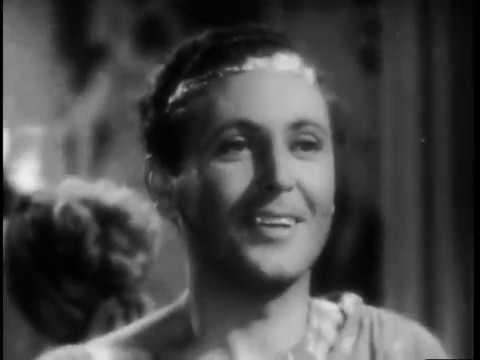
The musical was the basis for the movie, which was released in 1940. Production company was Universal Pictures, which that year was already 28 years old.
In Canada, the show opened in 1986 and stayed for 69 plays with such actors: S. Wright, E. McCormack, C. Feore, G. Semple, G. W. Davies. This show was recorded for the Canadian TV.
Another musical’s renewal occurred in 1991 in London, in the Open-Air Theatre of Regent's Park. Broadway also saw an updated show in 2002, where it lasted a total of just over 100 acts, counting with the pre-viewing. Actors were: L. Mitchell, J. Dokuchitz, E. Dilly, T. Hewitt, C. Zien & L. Wilkof. Rob Ashford was responsible for choreography.
Release date: 1963
"The Boys from Syracuse" (1963) – The Musical Guide & Song Meanings
Review
How do you write lyrics for a plot where nobody knows who anybody is? You make language the only stable identity onstage. “The Boys from Syracuse” is built on doubling: two Antipholuses, two Dromios, and a town that keeps insisting it recognizes you even when it doesn’t. Rodgers gives the evening lift. Hart gives it bite. The 1963 Off-Broadway revival at Theatre Four proved the engine still worked, not as a museum piece, but as a machine that can still throw sparks when the pace is right.
Hart’s best trick here is emotional misdirection. The love songs sound sincere, then reveal they’re also arguments. “Falling in Love with Love” is not a swoon, it’s a defense. “This Can’t Be Love” is joy, but it’s also denial dressed as logic. Even the comic numbers have stakes. “What Can You Do with a Man?” is a gag, but it’s also a woman telling you marriage has already made her tired. The show’s farce mechanics need clarity, yet the lyrics keep courting confusion on purpose. Everyone is certain. Everyone is wrong. That is why it lasts.
Musically, the score sits in that Rodgers & Hart pocket where swing and waltz coexist without conflict. It is period-smart rather than period-stiff. When a production pushes the tempo, the language feels even sharper. When it drags, the cleverness starts to sound like homework. That is the tightrope of this title.
How It Was Made
“The Boys from Syracuse” began as a Broadway musical comedy in 1938 with a book by George Abbott, music by Richard Rodgers, and lyrics by Lorenz Hart, borrowing Shakespeare’s “The Comedy of Errors” as its farce skeleton. It is often cited as the first musical adapted from Shakespeare, which tells you what the authors were aiming at: classic structure, modern punch.
The “1963” version that many listeners mean is the Off-Broadway revival that opened April 15, 1963 at Theatre Four and ran about 500 performances. Christopher Hewett directed, and the production earned an Obie Award for Best Musical, plus two Theatre World Awards. In other words, this was not a polite revival. It was a hit by Off-Broadway standards.
The cast recording ties directly to that revival. Rodgers & Hammerstein’s catalog notes it was conducted by René Wiegert with new orchestrations by Larry Wilcox, recorded and released on Capitol Records in 1963 shortly after opening. The album is part document, part argument: this score sounds freshest when the orchestrations keep it lean and quick.
Key Tracks & Scenes
"Dear Old Syracuse" (Antipholus of Syracuse, Dromio of Syracuse)
- The Scene:
- Arrival in Ephesus. The city feels hostile and strange. The lighting is often bright and public, like a marketplace that watches you back, while the two Syracusans cling to each other in comic panic.
- Lyrical Meaning:
- Homesickness becomes a running joke, but the lyric also establishes the show’s emotional logic: the twins survive by narrating their fear as comedy.
"What Can You Do with a Man?" (Luce, Dromio of Ephesus)
- The Scene:
- Luce corners her husband in public. It often plays in bright side-light, like a vaudeville bit happening at the edge of the plot. The number is flirtation with teeth.
- Lyrical Meaning:
- Hart turns marital frustration into rhythm. The lyric is a catalog of irritation that still wants an answer. She complains because she cares. That’s the gag, and the bruise.
"Falling in Love with Love" (Adriana)
- The Scene:
- Adriana alone, usually after being humiliated by her husband’s supposed neglect. The stage clears. Light narrows. Farce pauses so bitterness can speak.
- Lyrical Meaning:
- This is the show’s sharpest emotional reversal. The lyric rejects romance as childish, but you hear how badly she wanted it to be real. It is self-protection in a waltz.
"The Shortest Day of the Year" (Luciana)
- The Scene:
- Luciana romanticizes love while the chaos tightens around her. Productions often give it a gentler palette than Adriana’s number, a softer glow that makes her optimism feel exposed.
- Lyrical Meaning:
- Luciana believes in love as weather, not as strategy. The lyric matters because it sets up why she can fall for the “wrong” Antipholus and still feel truthful.
"This Can't Be Love" (Antipholus of Syracuse, Luciana)
- The Scene:
- Luciana and the Syracusan Antipholus collide inside the mistake. Lighting often pushes them into a romantic pocket while the rest of the stage remains restless. Love arrives mid-farce, uninvited.
- Lyrical Meaning:
- The lyric is denial as proof. He lists symptoms he does not have, which is how he convinces himself he feels “safe.” The joke is that safety is exactly why it is love.
"He and She" (Luce, Dromio of Ephesus)
- The Scene:
- A marital duet that often plays like a miniature music-hall act. The couple can move in synchronized patterns that imply they’ve been rehearsing each other for years.
- Lyrical Meaning:
- Hart’s lyric treats gender battle as comedy and stalemate. It is funny because it is accurate. It is also a warning to the younger lovers watching.
"You Have Cast Your Shadow on the Sea" (Antipholus of Syracuse, Luciana)
- The Scene:
- A second romantic moment with less teasing and more quiet. Staging often places them slightly apart, then lets the melody close the distance. A calmer light. Longer breaths.
- Lyrical Meaning:
- The lyric finally stops arguing and starts describing. It suggests love as influence, not possession. In a show about mistaken identity, that subtlety is unusually intimate.
"Sing for Your Supper" (Company)
- The Scene:
- Three women hustle for survival and attention, often staged as a tight trio with quick footwork and a sense of “watch how fast we can land this.” It is a showstopper that doubles as a survival tip.
- Lyrical Meaning:
- Hart turns economic reality into sparkle. The lyric is comic, but it is also blunt: desire is leverage, and leverage is food.
Live Updates
The title keeps returning in formats that match its strengths: concerts, clever revivals, and schools that want a classic farce with real songs. In New York, Red Bull Theater mounted a one-night benefit concert on December 15, 2025 at Symphony Space (Peter Jay Sharp Theatre) as part of its 2025-2026 season. That date matters because it signals “Boys” as a repertory pick for starry concert casting.
In London, Upstairs at the Gatehouse produced a run from September 5 to 29, 2024, marketed as the first capital production in a decade. Reviews leaned into how well the show plays when delivered with momentum and clear comic intent.
For theatres planning it in 2026, the practical path is licensing. Concord Theatricals lists “The Boys From Syracuse” for licensing, and also offers a David Ives concert adaptation, which is useful for companies that want the score with reduced book complications and a cleaner concert frame.
Notes & Trivia
- The 1963 Off-Broadway revival opened April 15, 1963 at Theatre Four and played around 500 performances.
- That revival was directed by Christopher Hewett and earned the Obie Award for Best Musical, plus two Theatre World Awards.
- The 1963 Off-Broadway cast recording was conducted by René Wiegert with new orchestrations by Larry Wilcox, recorded and released on Capitol in 1963 shortly after opening.
- The standard song list includes “Dear Old Syracuse,” “Falling in Love with Love,” “This Can’t Be Love,” and “Sing for Your Supper,” alongside deeper cuts like “Oh, Diogenes!”
- The original musical opened on Broadway in 1938 and later became a 1940 film adaptation.
- A New York Times recollection of the 1938 production praised its heat and physical comedy, comparing it to a blaze.
- A Masterworks Broadway essay notes how the film retained only a subset of stage songs, which is why recordings remain the best way to hear the full score.
Reception
Critical talk around “Boys” tends to separate two things: the plot’s clockwork and the score’s personality. When the staging is fast, reviewers talk about the lyric wit and the swing. When the staging is sluggish, the farce feels like mechanics without ignition. That contrast shows up even in the way people cite it: they rarely quote the story, they quote the songs.
“Someone will have to call out the fire department to dampen down the classical ardors of this hilarious tale.”
“The Boys from Syracuse continues at Upstairs at the Gatehouse, London until 29 September 2024.”
“The one-night-only event is part of Red Bull Theater's 2025-2026 season.”
Technical Info
- Title: The Boys from Syracuse
- Year: 1963 (Off-Broadway revival and cast recording)
- Type: Musical comedy farce; Shakespeare adaptation
- Music: Richard Rodgers
- Lyrics: Lorenz Hart
- Book: George Abbott
- Source: William Shakespeare’s “The Comedy of Errors”
- 1963 Off-Broadway production: Theatre Four; opened April 15, 1963; approximately 500 performances; directed by Christopher Hewett
- Awards (1963 revival): Obie Award for Best Musical; two Theatre World Awards
- 1963 cast album context: Conducted by René Wiegert; new orchestrations by Larry Wilcox; Capitol Records; released in 1963 shortly after opening
- Selected notable placements: Arrival lament (“Dear Old Syracuse”); Adriana’s anti-romance waltz (“Falling in Love with Love”); mistaken-love duet (“This Can’t Be Love”); trio hustle anthem (“Sing for Your Supper”)
- Related versions: 1940 film adaptation; Concord also licenses a David Ives concert adaptation
FAQ
- Why does this page say 1963 when the show is older?
- The musical premiered on Broadway in 1938, but “1963” commonly points to the long-running Off-Broadway revival at Theatre Four and its cast recording released that year.
- Who wrote the lyrics?
- Lorenz Hart wrote the lyrics, with music by Richard Rodgers and a book by George Abbott.
- What is the most famous song?
- “This Can’t Be Love” and “Falling in Love with Love” are the two titles most often sung outside the show, with “Sing for Your Supper” close behind.
- Is there a cast recording for the 1963 revival?
- Yes. Catalog notes describe a 1963 Capitol Records cast album conducted by René Wiegert with new orchestrations by Larry Wilcox, released shortly after the Off-Broadway opening.
- Can theatres perform it today?
- Yes. Concord Theatricals lists licensing for the full show, and it also offers a David Ives concert adaptation.
Key Contributors
| Name | Role | Contribution |
|---|---|---|
| Richard Rodgers | Composer | Writes a score that can swing, waltz, and sprint, which is essential for a farce that cannot afford dead air. |
| Lorenz Hart | Lyricist | Turns confusion into wit, then turns wit into character defense mechanisms, especially in the love songs. |
| George Abbott | Book | Builds the clean farce railings that allow the songs to cut loose without losing the plot entirely. |
| Christopher Hewett | Director (1963 Off-Broadway) | Helmed the Theatre Four revival that ran around 500 performances and won major Off-Broadway recognition. |
| René Wiegert | Conductor (1963 cast recording) | Led the 1963 recording sessions tied to the Off-Broadway revival. |
| Larry Wilcox | Orchestrations (1963 cast recording) | Created new orchestrations that the catalog describes as part of the 1963 album’s identity. |
| Concord Theatricals | Licensing | Handles licensing and materials, including the David Ives concert adaptation option. |
Sources: Rodgers & Hammerstein Organization; Concord Theatricals; Playbill; Symphony Space; WhatsOnStage; Musical Theatre Review; LorenzHart.org; Wikipedia; Masterworks Broadway; Commonwealth Shakespeare Company.