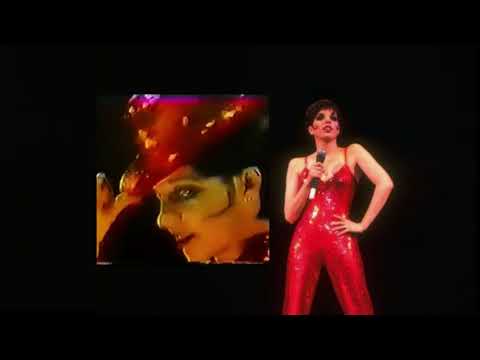
Act, The Lyrics – All Songs from the Musical
Act, The Lyrics: Song List
- Act 1
-
Shine It On
- It's The Strangest Thing
- Bobo's
- Turning
- Little Do They Know
- Arthur In The Afternoon
- Hollywood, California
- The Money Tree
- Act 2
- City Lights
- There When I Need Him
- Hot Enough For You?
- Little Do They Know (Reprise)
- My Own Space
-
Walking Papers
About the "Act, The" Stage Show
TL;DR: At first, this musical was at the tryouts in various cities of USA, among which there were Chicago, Los Angeles and San Francisco. After fifteen weeks, it has been decided to open it in Broadway. It was done in 1977, in two days before the October’s ending. The Majestic Theatre was a host of this show and it lasted for 233 ones. It also has 6 previews. Magnificent Italian Martin Scorsese was a director of this. R. Lewis was a choreographer and spectacular Barry Nelson was also starred among others. He is the first actor who officially acted famous Agent 007, James Bond of MI 7. This character, by the way, never was popular before the 1961, till the time when John Kennedy mentioned this book as one among his beloved ones. So everyone started to buy this book and read it and thus Ian Fleming became popular. His visual prefiguration was very famous Hoagy Carmichael.So, back to the plot of this musical piece, we must say that it was one of things that were written specifically to reveal the talents of Liza Minnelli, who is somehow very amused the world at that days and everybody were so very excited about her. What’s the issue? We cannot say now, as too much time had passed.
The New York Times was sung many praises to her play. There were almost no bad opinions about her acting. Nevertheless, many of actors of other roles hated Liza, as she took everything on her and boycotted performances, so as many as 10% of total ones were just derailed. Investing lots of money additionally in production and paying-off the tickets to the viewers were eventually totally disastrous for a play and it was shut off.
Collecting USD 2 million at the pre-sales, which was that time best pre-sale number for the Broadway’s show, eventually it grossed less than zero thanks to such rails-offs.
Release date: 1977
"The Act (Original 1977 Broadway Cast Recording)" – Album Guide to Tracks and Key Scenes
Review
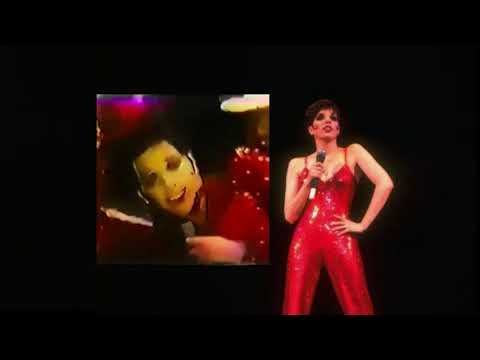
What happens when a Broadway cast album is essentially a superstar’s Vegas act trapped on vinyl? That tension is the beating heart of The Act (Original 1977 Broadway Cast Recording). On record, Michelle Craig’s Las Vegas comeback story collapses into a front-row seat at a Liza Minnelli concert, where the plot peeks through in shards of attitude, innuendo and regret rather than tidy book scenes.
The album follows Michelle as she works a glitzy nightclub crowd while quietly autopsying her own career and love life. Disco-tinted opening salvos, torch-song confessions and comedy showpieces all arrive as if they’re just “the next number,” but Kander & Ebb keep slipping in emotional shrapnel. You hear the failed marriage in the corners of the ballads, the bad business deals in the money metaphors, the bruised ego in every wisecrack that lands a little too hard. It is less a traditional narrative arc and more a late-night spiral, sequined and sweating under spotlights.
Genre-wise, the score sits in a fascinating limbo: 1970s show tunes laced with disco grooves, electric guitars and lounge jazz flourishes. That stylistic blend mirrors Michelle’s own balancing act. The nightclub-disco pulse screams “current Vegas commodity”; the classic Broadway craft underneath whispers “old-school star who has seen things.” Big brassy production numbers sell professional survival, while introspective pieces tilt toward themes of autonomy, addiction to applause and the cost of reinvention.
How It Was Made
The Act began as a somewhat wild idea: Marvin Hamlisch originally envisioned splitting composing duties with John Kander, with Fred Ebb writing lyrics for both. Kander & Ebb ultimately decided to take the whole score themselves, reshaping the project into a full-on star vehicle for their longtime muse, Liza Minnelli. The out-of-town journey was long and bumpy, with the show playing Chicago, San Francisco and Los Angeles under different titles before settling on The Act for Broadway.
Onstage, the production was famously high-profile: book by George Furth, music by John Kander, lyrics by Fred Ebb, direction by Martin Scorsese (later quietly assisted by Gower Champion), choreography by Ron Lewis and sleek, high-fashion costumes by Halston. The setting was the Hotel Las Vegas, where faded movie star Michelle Craig tries to claw her way back via a confessional nightclub act punctured by flashbacks to her collapsing marriage and career misfires.
The cast recording has its own backstage saga. Columbia Records initially held the option, but the show’s mixed reviews and Minnelli’s expiring contract meant that deal evaporated. Producer Hugh Fordin and the then-new DRG Records stepped in, arranging for RCA to manufacture and distribute the album. The entire score (minus the early-cut “Hollywood, California”) was captured in a single marathon session of roughly eleven hours at A&R Recording Studios in New York in April 1978, with Minnelli and the original Broadway ensemble.
For the album, the creators tightened things. Dialogue was stripped away, numbers were shaved down to compact pop-song lengths, and the running order was reshuffled so that “My Own Space” moved from a sort of faux encore after the finale “Walking Papers” into the main sequence. Composer John Kander even sits at the piano for “My Own Space,” giving that track an unusually intimate, demo-like feel inside an otherwise glossy production.
Tracks & Scenes
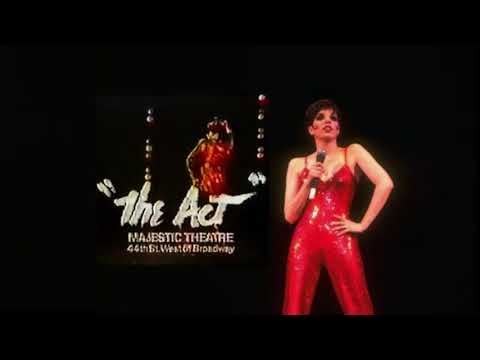
The cast album condenses a full Las Vegas show-within-a-show into 13 tracks. Below, key songs are paired with how they function in the stage narrative and what you can “see” if you listen closely with the theatre in mind. Timings refer broadly to their place within the two-act structure and their approximate feel on the recording, not to a specific film timestamp.
“Shine It On” (Liza Minnelli & Company)
- Where it plays:
- The curtain goes up on Michelle’s opening night at the Hotel Las Vegas. “Shine It On” is the first thing we hear and see: a tightly wound, disco-inflected show opener with Michelle center stage, a line of dancers behind her and a wall of light like a neon cage. Onstage it sits right at the top of Act I, a brisk three-to-four-minute blast that establishes the nightclub setting diegetically as Michelle’s act kicks off.
- Why it matters:
- The lyric’s insistence on pushing through, smiling and “shining it on” is Michelle’s survival philosophy in miniature. Musically, the disco pulse drags Kander & Ebb into the late-’70s, signalling that this star is trying very hard to stay current even as her personal and professional life fray around the edges.
“It’s The Strangest Thing” (Liza Minnelli)
- Where it plays:
- Still early in Act I, Michelle shifts gears into a ballad, ostensibly just another part of her set. As she sings, the staging fractures into a flashback: she recalls auditioning for producer Dan Connors, singing this same song for him years before. The number begins fully diegetic, addressed to the Vegas audience, then slips into memory as lighting and focus move to the younger Michelle and Dan across the stage.
- Why it matters:
- This is the first time the form of the show cracks open. The song shows how a “cute audition piece” turned into something loaded with heartbreak, underlining how Michelle has recycled professional material while her emotional life has changed completely underneath it.
“Bobo’s” (Liza Minnelli & Dancers)
- Where it plays:
- “Bobo’s” is a mid-Act I uptempo number, usually staged as a memory of a smoky, slightly tacky club early in Michelle’s career. On the album it comes off as a playful, four-minute story-song; onstage, the band swings harder, with dancers surrounding Michelle as she narrates long nights at this joint that felt like both a launchpad and a trap.
- Why it matters:
- The song sketches Michelle’s pre-fame hustle and her comfort with slightly seedy showbiz spaces. It helps the audience understand that Vegas isn’t a glamorous aberration for her, but rather a return to the kind of rooms where she first learned how to hold a crowd.
“Turning (Shaker Hymn)” (Liza Minnelli & Ensemble)
- Where it plays:
- Placed in the first half of Act I, “Turning” gives the show one of its stranger textures: a quasi-gospel or hymn-like chorus set against Michelle’s slick act. Onstage it often plays as a stylized, almost abstract interlude, with the ensemble in tight formations behind her, lighting cooling down as if we are inside her head rather than in the casino showroom.
- Why it matters:
- The number hints at the spiritual cost of constant self-reinvention. Over a driving rhythm, the lyric circles around change, second chances and the fear that you might simply be spinning in place. It deepens the idea that Michelle’s “turn” in Vegas is both a business move and a personal reckoning.
“Little Do They Know” & Reprise (Ensemble & Liza Minnelli)
- Where it plays:
- Mid-Act I, the chorus takes the spotlight with “Little Do They Know,” a choral commentary on Michelle’s public persona versus private chaos. Onstage it often plays as a backstage or off-to-the-side moment, with the “Boys and Girls” observing how the audience consumes the act without seeing the woman inside it. The brief reprise in Act II returns as a knowing wink once Michelle has weathered more romantic and professional blows.
- Why it matters:
- These passages function almost like a Greek chorus. They underline the show’s core theme: everyone thinks they understand the star onstage, but almost nobody really does. On record, the original choral texture is a rare moment when Minnelli cedes the mic and lets the world around Michelle speak.
“Arthur In The Afternoon” (Liza Minnelli & Roger Minami)
- Where it plays:
- Late in Act I, “Arthur In The Afternoon” arrives as a comic showstopper. Michelle cheerfully overshares about her favoured daytime companion, Arthur, turning a story about a gigolo into a full production number. Onstage it is very much part of the act — diegetic, flirty, built around Michelle and dancer Arthur with chairs, poses and knowingly risqué choreography.
- Why it matters:
- Underneath the laughs, the song shows Michelle using humor and sexual bravado to mask loneliness and transactional relationships. On the album, it is one of the most purely enjoyable tracks, and its playful orchestrations capture how Kander & Ebb can make moral compromise sound like the best time you have had all week.
“Hollywood, California” (Liza Minnelli & Dancers – cut from the album)
- Where it plays:
- In the original Broadway staging, this number came near the end of Act I as a flashy reminiscence about Michelle’s film career and life in Los Angeles. It was still in the score on opening night but soon cut from the show, and because of that it does not appear on the cast recording. In the theatre it functioned as an ironic evocation of studio glamour against a chorus line of dancers doing their best to imitate movie-musical excess.
- Why it matters:
- Even though you cannot hear it on the album, “Hollywood, California” matters because its absence explains part of the recording’s shape. Without it, the LP leans more heavily toward Michelle’s inner life and Vegas present than her Hollywood past, tightening the emotional focus.
“The Money Tree” (Liza Minnelli)
- Where it plays:
- Closing Act I, Michelle stands nearly alone onstage, the glitz dialled down, and sings about waiting for money — and love — that will probably never arrive. On record it is around four minutes of slowly mounting bitterness, with the band simmering under her as she practically negotiates with fate in front of the crowd. It is diegetic, yet the staging pushes the Vegas audience into shadow, inviting the real audience to lean in.
- Why it matters:
- This is one of the score’s most enduring songs. It reframes the Vegas gig as a financial Hail Mary and a romantic dead end at the same time. The way Minnelli tightens her sound on the last choruses makes the number feel like a quiet cliffhanger heading into intermission.
“City Lights” (Liza Minnelli & Company)
- Where it plays:
- “City Lights” explodes at the top of Act II, essentially the big comeback statement after interval. Onstage, Michelle is surrounded by dancers, staircases and strobes; the number famously turned into a signature Minnelli showpiece, excerpted on the Tony Awards. On the album it runs over six minutes, a full production number preserved in audio, with band breaks and crowd-pleasing tags that make you hear the footwork you cannot see.
- Why it matters:
- The song celebrates urban dazzle while slyly acknowledging its emptiness. As a track, it is the most obvious “hit” in the score, and its marathon arrangement makes the LP feel like a real second-act opener rather than just another cut. It also anchors the album’s second half emotionally; everything after it feels like fallout.
“There When I Need Him” (Liza Minnelli)
- Where it plays:
- Mid-Act II, Michelle slows the show again to talk about the man who is always around in some form, whether or not he is good for her. Onstage she often sings this more still than the other ballads, almost as if she is suddenly alone in a hotel room instead of on a stage. The number remains diegetic, but the performance style blurs into pure inner monologue.
- Why it matters:
- On record, this is one of Minnelli’s most nuanced vocals: half torch song, half confession. For the character, it is the moment where she admits that her dependency on men like Dan has shaped far too many of her choices, a theme that ripples back through everything we have heard.
“Hot Enough For You?” (Liza Minnelli & Company)
- Where it plays:
- This late-Act II showstopper returns to full Vegas spectacle: dancers, suggestive choreography, heat-wave lighting effects and a patter of jokes about temperature that everyone understands are really about sexual tension and career pressure. On the album it is a compact, two-minute blast, placed after “There When I Need Him” to jolt the energy back up.
- Why it matters:
- The number shows Michelle’s professional instinct kicking in: when the emotions get too heavy, she sells sizzle. Thematically, it underlines how much of her life has been spent turning discomfort into entertainment.
“My Own Space” (Liza Minnelli, piano by John Kander)
- Where it plays:
- In the stage show, “My Own Space” was performed as a kind of faux encore after the official finale, a quieter coda once the big fireworks were over. For the cast album, the song is woven into the main running order near the end. The arrangement is stripped back, just voice and piano, and you can hear the difference — it feels like the club has emptied out and Michelle is singing for herself.
- Why it matters:
- This is Michelle’s thesis statement about autonomy. After an entire evening of bending herself to crowds, husbands, directors and the market, she finally admits she wants a room, and a life, that belongs to her. Kander’s live piano accompaniment on the track makes the intimacy literal.
“Walking Papers” (Liza Minnelli)
- Where it plays:
- “Walking Papers” functions as the dramatic finale in the theatre, where Michelle confronts the idea of being fired — from a relationship, a studio, even from show business itself. Onstage it is usually staged as a final declaration to the audience that she will decide when she leaves, not the men or the industry. On the album it closes the track list, turning her legal-sounding phrase into a metaphor for reclaiming control.
- Why it matters:
- The finale reframes the entire act we have just watched and heard. The star who seemed desperate for approval is, by the end, signing her own exit documents. For listeners, it is a satisfying thematic button: the woman at the center of this quasi-concert finally chooses herself.
Notes & Trivia
- The show’s structure reverses the usual musical pattern: instead of breaking from book scenes into songs, it breaks out of Michelle’s nightclub act into flashback scenes.
- “The Act” went through several working titles out of town, including In Person and Shine It On, before settling on the final name in Los Angeles.
- Many of Michelle’s life events in the script — a rough marriage, a controversial career, the Vegas comeback — echo stories associated with real-life stars like Shirley MacLaine, who partly inspired the character.
- The orchestra seat price of $25 on Saturday nights made the show one of the most expensive tickets on Broadway at the time.
- Despite a famously troubled production period and mixed reviews for the musical, the album was promoted off the back of Minnelli’s Tony win, emphasizing the star turn rather than the show around it.
- “City Lights” and “The Money Tree” quickly escaped the show’s shadow; both became popular stand-alone cabaret and concert pieces for other performers.
- Kander & Ebb prepared an extensive demo recording of The Act with themselves performing the score, including cut numbers like “Good Thing Going” and “The Only Game in Town.”
Reception & Quotes
The stage musical arrived on Broadway in October 1977 with enormous hype. Critics were divided: many felt the book never rose above a slick concert framework, while almost everyone agreed that Minnelli’s performance was volcanic. The show received multiple Tony nominations, with Minnelli winning Best Actress in a Musical.
The cast album, released in June 1978 by DRG with RCA handling manufacturing and distribution, had a more modest but generally favourable response. Trade publications praised Minnelli’s “superb artistry” and the way the album captured her emotional range, even as some reviewers argued that the 1970s pop-disco stylings did not fully suit Kander & Ebb’s strengths. The album briefly charted on the Cash Box Top Albums list, peaking in the lower reaches but solidifying its reputation as a cult favourite among cast recordings.
“As theatre, the show may be uneven; as a star turn preserved on record, it’s dynamite.” Cash Box trade review, 1978 (paraphrased)
“The score bends toward the pop sounds of its time, sometimes awkwardly, but Minnelli sells every note like her career depends on it.” AllMusic-style critical summary
“Audiences loved it even when critics were sharpening their knives — and the cast album proves why.” Kander & Ebb fan commentary
“Less a traditional Broadway score, more a concept album about a woman who only feels safe under a follow-spot.” Modern cast-album blogger
Over time the album has been reissued on CD and in digital formats, often repackaged visually as a Liza Minnelli solo release rather than as an Original Broadway Cast Recording. That marketing shift reflects how listeners actually use it now: less as documentation of a specific Broadway show, more as a vivid snapshot of Minnelli’s late-’70s sound with a through-line you can follow if you know the story.
Interesting Facts
- Many fans first encountered songs from The Act not through the show itself, but via later concerts like Liza in New Orleans, where she reprised “Arthur In The Afternoon” with original co-star Roger Minami.
- The musical sits between the film soundtrack of New York, New York and Minnelli’s live album Live at Carnegie Hall in her discography, marking a pivot from film projects back to stage-centric work.
- Because Minnelli reportedly missed a significant number of performances, there was effectively no full-time replacement; without her, the show simply did not go on, which added to its financial woes.
- “Hollywood, California” is one of the few Broadway numbers to have been in a show on opening night, cut shortly afterward, preserved on a composer demo and still left off the eventual cast album.
- The DRG cast recording was initially something of a collectors’ item; later CD and digital reissues made it far more accessible, though often under altered cover art and titles.
- Several songs from The Act, especially “My Own Space” and “City Lights,” now appear regularly in audition anthologies and voice-type songbooks for mezzo-sopranos.
- The album’s mix of traditional Broadway brass with then-fashionable disco textures makes it a time-capsule of how late-’70s theatre tried to absorb pop trends without losing its identity.
Technical Info
- Title: The Act (Original 1977 Broadway Cast Recording)
- Year of stage premiere: 1977 (Broadway opening October 29, 1977)
- Album release: June 1978 (original LP); notable CD reissue in 1990
- Type: Original Broadway cast recording / soundtrack
- Primary artist: Liza Minnelli as Michelle Craig
- Composers: John Kander (music), Fred Ebb (lyrics)
- Book (stage musical): George Furth
- Music supervision & production: Album produced by Hugh Fordin; original stage musical direction by Martin Scorsese, with staging assistance by Gower Champion
- Orchestrations & band color: Ralph Burns orchestrations with 1970s-inflected rhythm section, including disco-style drums, electric bass and guitars alongside traditional Broadway brass and reeds
- Recording details: Recorded during an approximately eleven-hour session at A&R Recording Studios, New York City, April 1978
- Label / distribution: DRG Records (producer/label) with RCA Records handling manufacturing and marketing via distribution agreement
- Genre tags: Show tunes, traditional pop, 1970s nightclub/disco crossover
- Running time: Approx. 47–48 minutes across 13 tracks
- Selected notable placements: “Shine It On” (Vegas opening), “The Money Tree” (Act I finale), “City Lights” (Act II opener and Tony Awards showcase), “My Own Space” (intimate late-show solo with Kander on piano)
- Release context: Recorded and released after Minnelli won the Tony Award for Best Actress in a Musical for The Act, with promotion emphasizing her performance despite the show’s mixed critical reputation.
- Availability: Out-of-print on some early vinyl pressings but widely available via later CD editions and major digital/streaming platforms under both cast-album and Liza-solo branding.
Key Contributors
| Subject | Relation | Object |
|---|---|---|
| Liza Minnelli | portrays | Michelle Craig (fading film star attempting a Las Vegas comeback) |
| John Kander | composed music for | The Act (stage musical and cast recording) |
| Fred Ebb | wrote lyrics for | The Act (stage musical and cast recording) |
| George Furth | wrote book for | The Act (Broadway musical) |
| Hugh Fordin | produced | The Act original Broadway cast recording (DRG Records) |
| DRG Records | released | The Act original cast album in 1978 |
| RCA Records | manufactured and marketed | The Act original cast LP via distribution pact with DRG |
| Martin Scorsese | directed | original Broadway production of The Act |
| Gower Champion | re-staged elements of | The Act during out-of-town tryouts (uncredited consulting direction) |
| Ron Lewis | choreographed | original Broadway staging of The Act |
| Halston | designed costumes for | The Act Vegas-inspired Broadway production |
| Barry Nelson | portrays | Dan Connors (Michelle’s producer and ex-husband) in the original cast |
| Majestic Theatre, New York | hosted | original Broadway run of The Act (1977–1978) |
Questions & Answers
- Is the cast recording basically a Liza Minnelli solo album?
- Pretty much. Apart from the ensemble’s “Little Do They Know” and its reprise, Minnelli sings every number. That is why later reissues often market it as a Liza solo set rather than a traditional multi-character cast album.
- Does the album follow the same song order as the stage show?
- Not exactly. The recording trims dialogue and reshuffles the running order, most notably moving “My Own Space” from a post-finale faux encore into the main sequence so it plays as a penultimate emotional beat.
- Why isn’t “Hollywood, California” on the cast album?
- “Hollywood, California” survived into Broadway opening night but was cut shortly afterward. Because the album documents the post-cut version of the show, that song is absent, though it survives on composer demos and in archival materials.
- What makes this score unusual for Kander & Ebb?
- Unlike their period-set hits like Cabaret and Chicago, The Act lives squarely in the late-1970s present. Disco rhythms, electric guitars and Vegas-nightclub arranging pull their songwriting into a more contemporary, sometimes uneasy, pop landscape.
- Is the album a good source of audition material?
- Yes, especially for mezzo-sopranos. “City Lights,” “My Own Space,” “The Money Tree” and “It’s The Strangest Thing” regularly appear in audition anthologies and can show range in both belt and more intimate storytelling styles.
Sources: Wikipedia (musical and cast recording entries); Kander & Ebb official site; IBDB; Playbill Vault; Cash Box and Billboard archives; AllMusic; Discogs; StageAgent and audition anthologies; contemporary reviews and fan recollections.