Sweeney Todd: The Demon Barber of Fleet Street Lyrics – All Songs from the Musical
Sweeney Todd: The Demon Barber of Fleet Street Lyrics: Song List
- Act 1
- Ballad of Sweeney Todd (Prologue)
- No Place Like London
- The Barber and His Wife
- The Worst Pies in London
- Poor Thing
- My Friends
- Ballad of Sweeney Todd (Reprise)
- Green Finch and Linnet Bird
- Ah, Miss
- Johanna
- Pirelli's Miracle Elixir
- The Contest
- Ballad of Sweeney Todd: Sweeney pondered and Sweeney planned
- Wait
- Pirelli's Death
- Johanna (Judge's Song): Mea Culpa
- Kiss Me
- Ladies and their Sensibilities
- Pretty Women
- Epiphany
- A Little Priest
- Act 2
- God, That's Good
- Johanna (Quartet)
- By the Sea
- Wigmaker's Sequence
- Not While I'm Around
- Parlor Songs
- Final Sequence
- Finale
About the "Sweeney Todd: The Demon Barber of Fleet Street" Stage Show
The music and lyrics written by S. Sondheim, libretto – by H. Wheeler at the eponymous play by C. Bond. The actor and writer, C. Bond has processed the finished piece, the text and meaning of which were pretty clumsy and unfit for the stage version, as for him. The author added morale and made from the main hero not just a cannibal psychopath, but a man who suffered at the hands of those in power taking the path of revenge. The complexity of the story and focus on the revenge he drew from the works of Alexandre Dumas.After seeing the play on the stage in 1973, S. Sondheim immediately planned to put it into a horror musical. In addition to vocal numbers, the show contains dialogues in prose.
The premiere saw the light in the Uris Theatre, New York in 1979 with L. Cariou, A. Lansbury, M. Louise & S. Rice in the leading roles. Choreographer became L. Fuller, costumer – F. Lee, scenery maker – E. Lee. The musical was produced 557 times and was closed in 1980. Immediately after closure in Uris Theatre, the histrionics was launched in London in the Theatre Royal Drury Lane in July 1980, exhibiting 157 performances. Starring: D. Quilley & S. Hancock in main roles. Libretto and staging have not been changed. The theatrical of J. Doyle was released on Broadway named ‘Circle in the Square’ in 2005.
The play has won numerous awards. In the year of release, it received 8 Tony Awards, including prizes for Best Musical, adaptation, music and libretto. The production in the USA was noted by NY Drama Critics Circle Award, and in the UK it has been rewarded with several Laurence Oliviers.
This spectacular also has television version, concert, opera, and the original Irish production. In 2007 was released the same-named film of Tim Burton with Johnny Depp, Alan Rickman and Helena Bonham Carter in the lead roles. All the actors performed the vocals themselves, including supporting characters.
Release date: 1979
"Sweeney Todd: The Demon Barber of Fleet Street" – The Musical Guide & Song Meanings
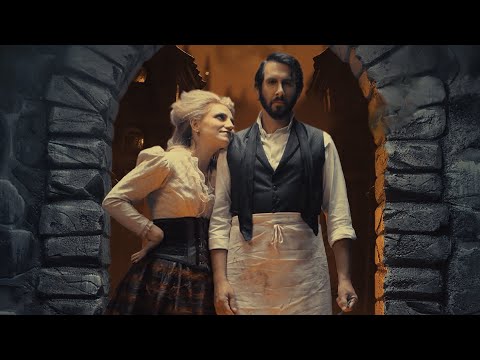
Review
How do you write lyrics for a throat-slitting comedy without turning the audience into co-conspirators? Stephen Sondheim’s answer is precision: internal rhymes that snap like scissors, choruses that narrate like a jury, and romantic language that keeps getting interrupted by commerce, lust, and hunger. "Sweeney Todd" wants you to laugh, then realize you laughed at the sound of the machine.
The lyrical engine is appetite, literal and social. Mrs. Lovett sells survival as domestic chatter, and Sweeney sells vengeance as destiny. When the text gets polite, it is often about predation. When it gets poetic, it is often about bargaining. Sondheim’s trick is that every character sings in a recognizable dialect: Anthony’s ardor is pure vowel, Johanna’s captivity is all breath and birds, Turpin’s piety is grammar wearing a mask, and Lovett’s patter is entrepreneurial hustle with a rolling pin.
Musically, it lives between operetta bite and horror-film suspense. The score keeps pulling you back to its public warning, "The Ballad," as if the show itself does not trust private scenes to stay private. That structural choice matters for lyric meaning: no confession is allowed to remain only a confession. In "Sweeney Todd," language is public record, which is why every tender phrase risks becoming evidence.
How It Was Made
The show’s DNA starts as folklore and ends as authored obsession. The legend existed long before Broadway, but Sondheim was sparked by Christopher Bond’s 1973 play, which gave the barber motive and history, turning a lurid tale into something more psychologically legible. Hugh Wheeler’s book keeps the plot moving like a trapdoor mechanism: information, then a song, then consequence.
Sondheim later described the guiding impulse with disarming bluntness: he wanted to scare an audience. That goal shaped the lyric craft. The chorus does not merely decorate, it polices. When it returns, it drags the story back into fatalism, like a town that refuses to forget. The production concept under Hal Prince leaned into industrial imagery, which fits the text’s fixation on labor, consumption, and bodies as product. When characters sing about food, money, or virtue, they are also singing about systems.
For the album listener, this matters because "Sweeney Todd" is built to communicate in layers. You can follow the plot from the cast recording, but the deeper pleasure is hearing how Sondheim compresses motive into diction. Lovett’s wordplay is not a garnish, it is how she metabolizes horror. Sweeney’s rhetoric shifts from memory to policy. The songs are the psychology, not commentary on it.
Key Tracks & Scenes
"The Ballad of Sweeney Todd" (Company)
- The Scene:
- A bare, ominous opening. Figures emerge as if summoned by smoke and iron. The lights feel like a public inquest. You are told the ending before you know the names.
- Lyrical Meaning:
- This is the show’s moral contract. The lyric refuses suspense in favor of inevitability: a tale, a warning, a chant. Its repeated imperatives make the audience complicit, not by invitation, but by procedure.
"The Worst Pies in London" (Mrs. Lovett)
- The Scene:
- A cramped shop, grimy counters, meat that is more rumor than ingredient. Lovett performs cheer under a jaundiced pool of light, chopping and selling and apologizing in one breath.
- Lyrical Meaning:
- It is a business plan disguised as self-deprecation. The lyric is full of blame-shifting and market logic, establishing Lovett as someone who narrates poverty as banter because stillness would be worse.
"My Friends" (Sweeney and Mrs. Lovett)
- The Scene:
- Upstairs, the old barbershop is dust and ghosts. Mrs. Lovett produces the razors like contraband. The lighting tightens, the room becoming a shrine.
- Lyrical Meaning:
- Sondheim makes intimacy terrifying by choosing the wrong object. The love language is real, but the beloved is steel. The lyric turns craft into identity, and identity into a weapon.
"Johanna" (Anthony)
- The Scene:
- Across the street from Judge Turpin’s house, Anthony sings upward toward a window he barely deserves. The night feels romantic until the street reminds you it is watched.
- Lyrical Meaning:
- It is courtly devotion with a stalkerish edge, and the lyric knows it. Anthony’s idealization is the point: purity in this show is often unprepared for the world it is walking into.
"Pretty Women" (Sweeney and Judge Turpin)
- The Scene:
- In the barbershop, two men sit close under flattering light. The razor glints. The duet is polite enough to pass as bonding, until you feel the trap setting.
- Lyrical Meaning:
- The lyric is a weaponized compliment. Shared language becomes shared guilt. Sondheim lets beauty talk itself into danger, because in this story, admiration is often a prelude to possession.
"Epiphany" (Sweeney)
- The Scene:
- A missed chance. The stage fractures into motion and impulse, as if the air itself is sharpened. Light flashes like panic. Sweeney stops being a man and starts being a policy.
- Lyrical Meaning:
- This is the moment the lyric abandons specificity. The Judge is no longer the target; everyone is. The language widens from personal grievance to cosmic grievance, and that expansion is the horror.
"A Little Priest" (Sweeney and Mrs. Lovett)
- The Scene:
- Downstairs again, a body becomes inventory. The room brightens into sickly comedy. They trade suggestions like a menu tasting, smiling too fast.
- Lyrical Meaning:
- It is a masterclass in rhyme as moral anesthesia. The lyric turns people into categories, then categories into flavors. Each punchline is a tiny surrender, and the audience laughs as the line moves.
"Not While I’m Around" (Tobias)
- The Scene:
- Tobias plants himself near Lovett like a guard dog that still believes in bedtime stories. The light softens, finally, but the set does not. Danger remains visible at the edges.
- Lyrical Meaning:
- The lyric is protection as denial. Tobias sings in promises because he lacks power. In a show where adults weaponize language, a child using language to shield someone lands like tragedy.
Live Updates
The most recent Broadway revival (the large-orchestra production at the Lunt-Fontanne) played its final performance on May 5, 2024, after a starry run that included Josh Groban and Annaleigh Ashford, then Aaron Tveit and Sutton Foster. The revival’s cast album was released digitally on September 8, 2023, and became a useful "current sound" reference for listeners who know the 1979 recording by heart.
In the UK, Birmingham Rep has announced a major new production running from July 4 through August 9, 2026, starring Ramin Karimloo as Sweeney Todd, directed by Joe Murphy, with design by Elin Steele and music supervision by Dr. John Rigby. That is the kind of casting that signals vocal scale: a Sweeney who can sing the role’s rage without losing the line.
Regionally, the show continues to thrive as both prestige musical and crowd dare. One example: La Mirada Theatre for the Performing Arts has listed a run from January 30 through February 22, 2026. In Canada, Meadowvale Theatre in Mississauga has listed performances from January 30 through February 8, 2026. In other words, "Sweeney Todd" is not waiting around for another Broadway slot to stay culturally loud.
As for a U.S. national tour tied to the 2023-24 Broadway revival: it was announced to launch in 2025 with the promise of the full-scale orchestrations, but producers indicated that detailed routing and casting would be announced later. If you are tracking this like a hawk, the best habit is to verify city-by-city via presenting houses and primary ticketing, not aggregator pages.
Notes & Trivia
- The 1979 Original Broadway Cast Recording was selected for the U.S. Library of Congress National Recording Registry in 2013.
- Music Theatre International’s synopsis bakes the score into the plot outline, a clue to how tightly the lyrics function as storytelling rather than "numbers."
- The "Ballad" keeps returning as narration and judgment, giving the show a folk-trial structure even when scenes get intimate.
- Sondheim spoke openly about the show’s horror-movie influences, treating the score like cinema that happens to be sung.
- Masterworks Broadway documents the original Broadway run as 557 performances and notes the first LP release date as April 17, 1979.
- The 2023 Broadway revival restored the large-orchestra sound on Broadway at a scale not heard there since the original production.
Reception
In 1979, "Sweeney Todd" arrived as a genre argument: part melodrama, part operetta, part social satire with blood on its cuffs. Over time, the critical consensus has shifted from "audacious oddity" to repertory cornerstone. Revivals now tend to be judged less on whether the material works and more on whether the staging matches the score’s architectural rigor.
“Sondheim’s music and lyrics gleam as bright as ever, even when the production loses its edge.”
“A thunderous 26-piece orchestra.”
“One of Broadway’s shining achievements.”
Quick Facts
- Title: Sweeney Todd: The Demon Barber of Fleet Street
- Year: 1979 (Broadway premiere)
- Type: Musical thriller; often discussed as operetta or opera-adjacent because it is largely sung
- Music & Lyrics: Stephen Sondheim
- Book: Hugh Wheeler
- Based on: Christopher Bond’s 1973 play; earlier Victorian penny dreadful legend
- Orchestrations (signature sound): Jonathan Tunick
- Signature structure: A recurring chorus ballad that frames and comments on the action
- Core album: Original Broadway Cast Recording (1979); preserved by the Library of Congress via National Recording Registry selection
- Additional notable recordings: Multiple later cast recordings and the 2023 Broadway revival cast album (digital release September 8, 2023)
- Label/availability notes: The 1979 cast recording is distributed via Masterworks Broadway platforms; widely available on major streamers
Frequently Asked Questions
- Is "Sweeney Todd" sung-through?
- Mostly. Dialogue exists, but the score carries the narrative with near-continuous musical underscoring and frequent vocal writing.
- Which cast album should I start with?
- If you want the original dramatic shape and vocal blueprint, start with the 1979 Original Broadway Cast Recording. If you want a modern studio-clean capture with contemporary Broadway voices, add the 2023 revival cast album.
- Why does the chorus keep coming back?
- Because the show is structured like a public warning. The chorus makes the story feel collective, as if the city itself is telling you what it allowed to happen.
- What is the central theme in the lyrics?
- Appetite in every sense: hunger, desire, ambition, revenge. The lyrics keep translating human beings into needs, and then asking what that translation costs.
- Is there a film version?
- Yes. There is a feature film adaptation, and there are also concert and staged captures associated with various productions.
- Where can I see it in 2026?
- One high-profile option is Birmingham Rep in the UK in July-August 2026. There are also multiple regional productions scheduled across North America.
Key Contributors
| Name | Role | Contribution |
|---|---|---|
| Stephen Sondheim | Composer-Lyricist | Wrote the music and lyrics; built the show’s rhyme-driven moral logic and recurring ballad structure. |
| Hugh Wheeler | Book Writer | Adapted the story into a propulsive musical book with trapdoor pacing and clean narrative reveals. |
| Christopher Bond | Playwright | Wrote the 1973 play that catalyzed the musical, giving Sweeney a motive-centered backstory. |
| Harold Prince | Director (Original Broadway Production) | Shaped the show’s industrial social frame and original staging language. |
| Jonathan Tunick | Orchestrator | Created the muscular orchestral palette that makes the score feel like thriller scoring with wit. |
| Paul Gemignani | Music Director-Conductor (Original Broadway Production) | Helped define the original performance profile of the score and its dramatic timing. |
Sources: Library of Congress (Now See Hear!); Music Theatre International; Masterworks Broadway; Birmingham Rep; Playbill; The New Yorker; Entertainment Weekly; Observer; Birmingham Rep (What’s On pages); Ticketmaster (presenter listings).