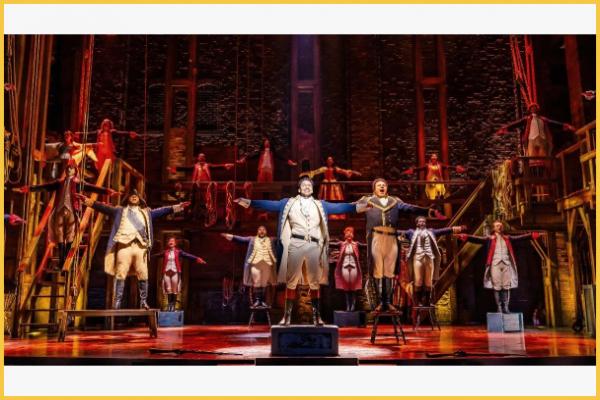
When the needle drops on the 20th track of Hamilton, we are hearing a history lesson, we are witnessing the precise moment a desperate rebellion transforms into a legitimate nation. "Yorktown" is a masterclass in lyrical density, where every "chick-a-plao" and tactical command carries the weight of 1781 and the soul of 1990s Brooklyn. Let’s break down the deeper meanings hidden in the lyrics of this Act 1 finale.
The Anatomy of a Revolution: "Yorktown (The World Turned Upside Down)" Meaning & Analysis
In "My Shot," Hamilton is a "rash, outspoken firecracker" who refuses to throw away his chance. By "Yorktown," the meaning of "the shot" has shifted. The command "Take the bullets out your gun" is the most significant indicator of Hamilton’s growth as a leader.
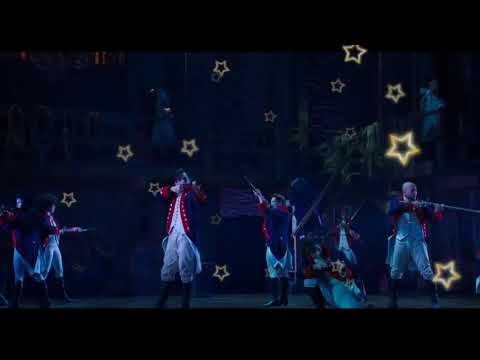
"Through the night, we have one shot to live another day / We cannot let a stray gunshot give us away."
Historically, this refers to the nighttime raid on Redoubt #10. Tactically, it shows Hamilton prioritizing the mission over individual glory. Musically, it’s a brilliant subversion: he is literally "throwing away his shot" (the bullets) to ensure he doesn't throw away his actual shot (the victory). It’s the nuance of a man who finally has something to live for—specifically, his unborn son, Philip.
2. The "Immigrant" Anthem and Tribal Homage
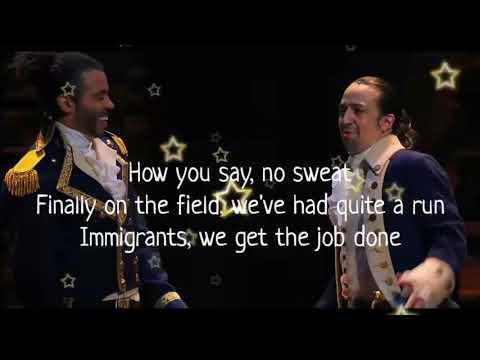
The line "Immigrants: We get the job done" is perhaps the most famous in the show, often stopping the performance for a standing ovation. But the meaning goes deeper than a political statement. It’s a rhythmic nod to A Tribe Called Quest’s "Check the Rhime" ("And everybody up on Linden know we get the job done").
- The Subtext: Both Hamilton (from the Caribbean) and Lafayette (from France) are "outsiders" building a country that would eventually struggle to define what being an American means.
- Historical Irony: While they celebrate together here, Act 2 reveals the fracture. In "Cabinet Battle #2," Hamilton ignores his promise to help Lafayette in France, proving that "getting the job done" is often a matter of cold, national interest.
3. Hercules Mulligan: The "Tailor Spy" and the Eminem Connection
Hercules Mulligan’s verse is a high-octane explosion that serves as a tribute to Eminem’s "White America." When Mulligan raps about "shoveling shit," he isn't just being vulgar—he’s referencing his lower social status compared to the "aristocrat" Lafayette.
"A tailor spyin' on the British government / I take their measurements, information and then I smuggle it."
The "measurements" line is a triple entendre: literally taking suit sizes, "taking the measure" of his enemies (assessing them), and collecting "information" (the currency of spies). Mulligan was a "ruffian" who did the dirty work the gentlemen couldn't, highlighting that the Revolution was won in tailor shops and back alleys as much as on the battlefield.
4. "The World Turned Upside Down": A Musical Insult
The refrain "The world turned upside down" serves as the song's emotional anchor. Historically, this was a popular British drinking song. By singing it as they retreated, the British were expressing a sense of cosmic disbelief: the greatest superpower on earth had been humbled by a "ragtag volunteer army."
The Anatomy of a Revolution: "Yorktown (The World Turned Upside Down)" Meaning & Analysis
| Thematic Element | Lyrical Context | Deeper Meaning |
|---|---|---|
| Rochambeau | "The code word is 'Rochambeau,' dig me?" | A phonetic pun. When said fast, it sounds like "Rush on, boys." It also nods to West Side Story. |
| The Parapet | "A young man in a red coat stands on a parapet..." | The sudden silence in the music reflects the historical moment a British officer waved a white handkerchief to end the war. |
| The Other Side | "I’ll see you on the other side." | A haunting double-meaning: the end of the war, the "other side" of the intermission, and eventually, the afterlife. |
5. Foreshadowing the Tragedy of Act 2
As the men celebrate, the lyrics plant seeds of the coming conflict. Lafayette’s line "Freedom for America, freedom for France" is left conspicuously unrhymed by the rest of the company. No one echoes him. This silence speaks volumes—America’s revolution was over, but Lafayette’s nightmare in the French Revolution was just beginning.
Similarly, John Laurens’ line "Black and white soldiers wonder alike if this really means freedom" is met with Washington’s grim "Not yet." This reminds the audience that for many who fought, "The World Turned Upside Down" didn't yet include the end of slavery—a cause Laurens would die for shortly after Yorktown.
How to Understand the Lyrical "Easter Eggs"
To truly grasp the "meaning" behind the fast-paced lyrics of Hamilton, follow this critical approach:
- Analyze the Call-Backs: When you hear a phrase like "I am not throwing away my shot," ask how the context has changed since the last time you heard it. In Yorktown, it's no longer a dream; it's a reality.
- Look for the "Unrhymed" Moments: Lin-Manuel Miranda uses a lack of rhyme to highlight tension or unresolved historical issues (like Lafayette’s plea for France).
- Cross-Reference with the "Bullet": Watch the ensemble member (the "Bullet") during the line "Laurens is in South Carolina." The choreography often tells the story of who is marked for death before the lyrics do.
Frequently Asked Questions (FAQ)
- What does "Rochambeau" actually mean?
- It was the name of the French General (Comte de Rochambeau) who commanded the French forces. In the play, it's used as a code word because it phonetically sounds like "Rush on, boys."
- Did the "Bullets out of guns" order really happen?
- Yes. Hamilton ordered his men to attack with only bayonets to ensure silence and surprise. It was a highly successful, if dangerous, tactic.
- Why does the song mention Eminem and Mary J. Blige?
- Miranda used the cadences of 90s hip-hop and R&B to make the 18th-century characters feel modern and relatable. The "down, down, down" refrain at the end is a direct stylistic nod to Mary J. Blige’s "I’m Goin' Down."