
Song Overview
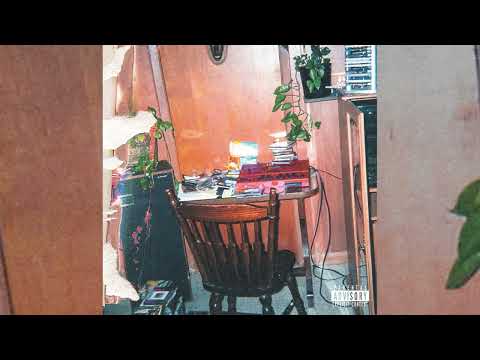
"Bunce Road Blues" sits in the thick of The Fall-Off as track 7, and it wears its address like a name tag. Bunce Road is not a metaphor first - it is a real street in Fayetteville, North Carolina, and the record keeps circling back to what home does to a person when the world already knows their face.
The cast is built for contrast: Cole raps like he is writing in the margins of his own biography, Future slides in with street-numb calm, and Tems arrives late and bright, singing the kind of hook that feels tied in knots. The Alchemist anchors it with a jazz-rap frame, while credited keys and strings add a slow-burn gloss that still leaves grit under the fingernails.
Review and Highlights
Quick summary
- Album placement: Track 7 on The Fall-Off (released February 6, 2026).
- Core pull: hometown memory collides with grown-man dread - fame does not cancel the old street math.
- Sound: jazz rap swing with a steady pulse; Tems closes the record in a tighter melodic lane than the verses.
- Writing clue: the credits reflect an R&B interpolation thread that links back to Usher.
- Theme hook: "steady" is both a promise and a bluff.
I first clocked this cut as a record that refuses to pick one lane. It opens soft, then turns sharp, then soft again - like somebody trying to talk themselves down in real time. The Alchemist production keeps the temperature controlled, but the writing does not. Cole is at his best when he sounds like he is arguing with his own instincts: why the violence feels easy when it stays inside the neighborhood, and why the real machinery that cages people stays untouched.
Future arrives with a familiar cinematic flex - cruising the old streets, then watching them lock up under pressure. He does not moralize. He shrugs. That shrug is the point. Tems then flips the whole track into a different kind of tension: roots, light, walls that might confess. According to The Guardian, the song borrows from Usher's "Nice & Slow" while tying that older R&B memory to Tems in the present, and you can hear why the credits travel the way they do.
Key takeaways
- It is a Fayetteville postcard with teeth. The name-drop is not decoration - the verses use place as proof.
- It stages two kinds of captivity. One is legal and political; the other is intimate and personal.
- Tems changes the ending. Her repetition does not just reinforce the hook - it turns the last section into a binding spell.
Creation History
"Bunce Road Blues" released with The Fall-Off on February 6, 2026 across major platforms. Credited metadata lists The Alchemist as producer, with Ron Gilmore Jr. on keyboards and Yuli credited for strings, plus a deep bench of engineering and mix/master credits that match a major-label rollout. The same metadata also shows songwriter credits that include Usher and Jermaine Dupri, which lines up with the track's interpolation thread.
Outside the studio paperwork, Cole gave a clean framing for one of the record's most alarming lines. As stated in a Hot 97 report on his "Trunk Sale" vlog, he described the "suicide note" moment as symbolic - a way of ending the J. Cole character arc rather than a literal threat. That context matters because the verse is written like a controlled demolition: he blows up the persona, then tries to walk out of the smoke as Jermaine.
Lyricist Analysis
Metric and scansion: the verses lean on speech-rhythm, not strict feet, but Cole still snaps into iambic-like pulses when he wants a line to land like a judge's gavel. He often starts with anacrusis (extra syllables up front) then tightens into a hard downbeat. That push-pull fits the subject: restraint fighting impulse.
Rhyme and sound: expect dense internal rhyme and slant matches, more street-report than nursery-perfect. Cole favors punchy plosives for impact when he turns to threats, then relaxes into softer consonants on the memory passages. Future keeps shorter phrase units and lets repetition do the heavy lifting. Tems shifts the prosody into longer, smoother lines, and her repeated "handcuffed" refrain works like a rhythmic loop that refuses release.
Structural function: the hook is almost minimalist, then the bridge floods the space with ad-libs that sound like second thoughts. That break does not resolve the conflict - it exposes it, which is why the final section lands like acceptance rather than victory.
Song Meaning and Annotations
Plot
Cole opens with a quiet plea that sounds like relationship talk, then flips into a public address. He questions why violence inside the community can feel normal while the state apparatus that targets the same community stays treated as untouchable. The verse then pivots into self-erasure: he describes writing a "suicide note," then frames it as killing off the stage-character version of himself.
From there, the record becomes a drive through Fayetteville: Bunce Road as a real-world checkpoint, Seventy-First Middle as a memory marker, and "broken home" as both economics and structure. Future adds a parallel scene - cruising his old streets, watching them heat up, then going numb. Tems closes by turning "roots" into a literal image: you neglect them, you loosen. The last refrain repeats until it stops sounding like a complaint and starts sounding like a bind.
Song Meaning
The track reads like a letter to home that Cole never finished mailing. It is part civic critique, part memoir, part private confession. "Steady" becomes the hinge word: a promise to be stable, a warning that stability can be performative, and a reminder that love and loyalty can feel like restraints when the ground will not stop moving. The "suicide note" section is a persona reset button - the artist trying to step away from the role the audience keeps demanding.
Annotations
"I ain't no preacher, for real, I just like to cut on the mic and start lettin' it spill"
He refuses the savior job. That is a theme with teeth in Cole's catalog: he can diagnose the block, but he cannot pretend he can cure it just by rapping louder.
"Meanwhile, Capitol Hill been makin' it easy for them to go stuff us in cells"
This is the political center of the verse. He points to lawmaking and enforcement as a pipeline, not a series of accidents. The line also explains why his frustration is bigger than any single "opp" across the street.
"This a suicide note ... I don't even want this role, wanna rebuild myself"
The shock is deliberate, but the meaning is craft. It is the sound of an artist tearing down the costume. In Cole's later commentary, that "note" becomes a closing chapter for the character he has been writing since the early mixtape years.
"Two months ago, I was on Bunce Road ... He said he proud of me"
Home pride hits different than internet praise. This moment also keeps the song from turning into pure lecture. It shows the place can bruise you and still feed you.
"It's seven o'clock on the dot, I'm in my drop-top"
Future flips a famous R&B opening into something colder. The move works because it is instantly recognizable in shape, but the mood is stripped of romance and replaced with surveillance and fear.
"If the walls where you once talked, would they 'fess up?"
Tems brings in the old idiom and makes it personal. Walls do not just hold secrets - they hold versions of you that you might not want to meet again.
"I'm handcuffed, I'm roped in"
Two restraints, two textures. Handcuffs feel legal and metallic. Rope feels intimate, almost handmade. Put them together and you get the song's big idea: trapped by systems, trapped by love, trapped by memory.
Genre and rhythm
On paper, it is rap, conscious rap, jazz rap. In the headphones, it feels like jazz rap dressed in modern drum programming: steady tempo, roomy pocket, and enough harmonic color for Tems to glide without turning the record into pure ballad territory.
Symbols and callbacks
The song stacks symbols that behave like receipts. "Roots" and "bright star" frame fame as light that can blind. The school reference turns adolescence into a checkpoint where pressure arrives before guidance. The condom brand mention is not crude for shock - it is a short scene about being forced to learn adulthood without a manual. Even the medical image (lobotomy) is not there to be clever; it is there to show how casually violence gets described when survival is normalized.
Technical Information (Quick Facts)
- Song: Bunce Road Blues
- Artist: J. Cole (with Future and Tems)
- Featured: Future; Tems
- Composer: Jermaine Cole; Nayvadius DeMun Cash; Temilade Openiyi; Alan Maman; Abbas Hamad; Bryan James Sledge; Margaux Whitney; Brian Casey; Jermaine Dupri; Usher Raymond; Manuel Seal
- Producer: The Alchemist
- Release Date: February 6, 2026
- Genre: Rap; Conscious rap; Jazz rap
- Instruments: vocals; keyboards (credited); strings (credited)
- Label: Cole World, Inc. - under exclusive license to Interscope Records
- Mood: tense, reflective, tied-down
- Length: 5:10
- Track #: 7
- Language: English
- Album: The Fall-Off
- Music style: jazz-rap loop aesthetic with a modern hook section
- Poetic meter: conversational speech-rhythm with frequent internal rhyme
Frequently Asked Questions
- Who produced "Bunce Road Blues"
- Credits list The Alchemist as producer, with additional credited musicians including keyboards and strings contributors.
- When was the track released
- It released with The Fall-Off on February 6, 2026.
- Who are the featured performers
- Future appears for the second verse, and Tems closes the record with the final section and outro.
- What does "Bunce Road" refer to
- It refers to a real street in Fayetteville, North Carolina, used here as a hometown anchor point.
- What does the "suicide note" line mean in context
- Cole later framed it as symbolic - ending the "J. Cole" character arc rather than a literal act, turning the line into a persona reset.
- Why do the songwriter credits include Usher-related names
- Credits and criticism around the release connect the song to an R&B interpolation thread, which helps explain those legacy songwriting names.
- What is the main theme of the Tems outro
- It treats love and memory as restraints, repeating "handcuffed" and "roped in" until the phrase feels less like drama and more like truth.
- How long is the song
- Most platform listings show it at about 5 minutes and 10 seconds.
- What tempo is it
- Multiple music-database listings cluster around 138 BPM.
- What key is it in
- Different analysis tools report different keys for the same recording, commonly listing either A major or C-sharp minor, depending on detection method.
- Is there an official music video
- The official YouTube upload for the track functions as the main video-format release at this stage, paired with platform artwork and visualizers.
Awards and Chart Positions
Early chart data shows the track picking up international traction quickly, with the most verifiable public entries coming from official chart publishers and their weekly documents.
| Territory | Chart | Week | Peak / listed position | Notes |
|---|---|---|---|---|
| United Kingdom | Official Singles Chart Top 100 | February 13, 2026 - February 19, 2026 | #59 | Listed as a new entry with peak 59. |
| Portugal | Top 200 Singles (AFP-Audiogest weekly PDF) | 6/2/2026 to 12/2/2026 | #164 | Shown as a new entry in the weekly report. |
| Australia | ARIA Top 40 Hip Hop/R&B Singles | Week of February 23, 2026 | #26 (peak #19) | Second week listed; peak shown as 19. |
| Nigeria | TurnTable Official Nigeria Top 100 | Current listing (accessed February 24, 2026) | #88 (peak column shows 70) | Displayed with previous position and peak columns on the official chart page. |
Additional Info
- Interpolation spotlight: release-week criticism and credits connect the track to an Usher-era R&B writing lineage, which helps explain why those names appear in the songwriter list.
- The persona vs. the person: Cole's "Trunk Sale" commentary frames the "suicide note" bar as a narrative ending for the character, not a literal threat - a rare case where the author hands you the margin notes.
- Why Tems lands last: the track saves its most melodic writing for the end, so the outro functions like a closing argument rather than a hook repeat.
- Critic split: one major review called the beat underpowered for its runtime, while other coverage highlighted the collaboration as a standout moment inside the album sprawl.
Key Contributors
| Entity | Type | Relationship (S-V-O) |
|---|---|---|
| J. Cole (Jermaine Cole) | Person | Performs and co-writes the recording. |
| Future (Nayvadius DeMun Cash) | Person | Features as performer and co-writer. |
| Tems (Temilade Openiyi) | Person | Features as vocalist and co-writer. |
| The Alchemist (Alan Maman) | Person | Produces the track and holds writing credit. |
| Ron Gilmore Jr. | Person | Plays credited keyboards and holds writing credit. |
| Yuli | Person | Provides credited strings. |
| Joe LaPorta | Person | Handles credited mixing and mastering. |
| Juro "Mez" Davis | Person | Provides credited engineering support. |
Sources
Data verified via: Official Charts Company (UK Singles Chart week listing); AFP-Audiogest weekly chart PDF (Portugal, Week 07 of 2026); ARIA Hip Hop/R&B Singles chart page; TurnTable Nigeria chart page.
Arrangement and credits references: Qobuz album credits listing; Apple Music album listing.
Reporting and criticism: Hot 97 report on Cole's Trunk Sale commentary; The Guardian review mention; Pitchfork album review mention.
Official audio reference: YouTube upload (official audio).
How to Sing Bunce Road Blues
Public music-database listings put the tempo around 138 BPM, usually in 4/4. Key detection varies by tool, often landing on A major or C-sharp minor. Treat that as a practical guide, not holy scripture, and build your approach around groove first.
- Tempo: lock into the 138 BPM pocket. Count in two-bar chunks so the phrasing stays calm, not rushed.
- Diction: keep consonants clean on the dense rap passages. Cole's lines rely on internal rhyme, so a swallowed ending blurs the punch.
- Breathing: map breaths before you perform. The first verse stacks long thought-lines; take quick, silent inhales at punctuation beats.
- Flow and rhythm: aim for speech-rhythm. The verse feels like talking fast on purpose, then tightening to the downbeat when a key phrase lands.
- Hook tone: sing "steady" with restraint. Avoid big vibrato. The hook works because it sounds like a promise you are trying to believe.
- Tems section: shift into a smoother legato. Let the vowels carry the line, then re-attack the repeated words with consistent volume and timing.
- Ensemble balance: if multiple people cover it, split roles by texture - rapper voice for Cole and Future sections, and a dedicated singer for the outro. Do not force one person to imitate three timbres.
- Mic technique: for rap lines, stay closer and control plosives with slight off-axis angle. For the sung outro, pull back a touch to avoid clipping on repeated consonants.
- Pitfalls: the biggest mistake is over-performing the darkness. Keep it steady. The tension is in the contrast between calm delivery and heavy subject matter.
Practice materials: clap the backbeat for one full verse, then speak the verse in rhythm without pitch. After that, add melody only on the hook and outro. This builds control without burning breath early.
Sources: Official Charts Company, Audiogest (Portugal weekly charts PDF), ARIA Charts, TurnTable Charts, Qobuz credits listing, Hot 97, The Guardian, Pitchfork, YouTube (official audio)
Lyrics
SteadyWill you be around when I'm ready?
I'd rather you go and be happy
But I don't wanna leave you alone, no
All of y'all niggas pussy, you shoot at the opps and run from the cops
And I don't get it
I ain't suggesting you fire your weapon at 12, but hell
Why in the fuck do we feel that niggas that's lookin' like us who deserve to be killed?
Meanwhile Capitol Hill been makin' it easy for them to go stuff us in cells
I ain't no preacher for real, I just like to cut on the mic' and start lettin' it spill
And I've been leavin' a trail, you play all my albums and find you a letter revealed
This is a suicide note, come here, look what I wrote, I'm 'bout to kill myself
Fuck J. Cole, I don't even want this role, wanna rebuild myself
Tuck my pole under the driver's seat, nigga, don't try to reach
I'll bust a hole right in your frontal lobe, that's a lobotomy
Two months ago I was on Bunce Road, nigga done spotted me
Said, "What's up, Cole? Nigga, I love you, bro"
He said he proud of me, that touched my soul
Wasn't too long ago that I was over here at Seventy-First Middle
Had my very first little girlfriend, that'll let me get a feel or two
Back then it was considerable, enough to void the ridicule
But come another year or two
"Boy, you better be fuckin' on somethin'," my mama ain't never even give me no rubbers
Papa was gone, how to put Trojan on was somethin' I had to discover
All on my own, y'all know the song
I probably been singin' this shit for too long
Pardon me if I've been soundin' some broken record
I come from the brokest of homes, shit
I come from the brokest of homes
It's 7 o'clock on the dot
I'm in my drop-top cruisin' the streets that I grew up in
I didn't think the same back then
Sayin', "Oh, how we changed", my nigga, that's when
The pistols go pop, bodies drop
They got the block blocked, it's the police, we ain't see nothin'
I just roll up my weed and get to puffin'
And lay back in my seat, oh yes, I'm numb again
Uh-oh, uh-oh
Uh-oh, uh-oh
Uh-oh, uh-oh
Uh-oh, uh-oh
Uh-oh, uh-oh
Uh-oh, uh-oh
Uh-oh, uh-oh
Uh-oh (Oh, yeah), uh-oh (Yeah, hey)
Finding you lose when you choose to neglect
The roots that we grew to protect us, oh
The sun has been blinding lately, mm
One day you find when your light's out
You always were a bright star to me
Even at times the world didn't say so
One in the morning
If the walls where you once talked, would they fess up?
I'm scared of the tales they'll tell us
Much better if I ignore
Steady
Will you be around when I'm ready?
I'd rather you go and be happy
But I don't wanna leave you alone, no
Yeah, I'm steady
But love might be gone when you're ready
I should move on and be happy
But I don't wanna leave you alone, oh
Love is a mountain climb for you
Throw you a line, I could pull you
Scared I wouldn't grasp for long
But my holding strong for you
How many ways must I profess?
Gunshot to your head, die for me
Hey, how can I let you go?
Have mercy, it's broken
I'm handcuffed, I'm roped in
I'm handcuffed, I'm roped in
I'm handcuffed, I'm roped in
Have mercy, it's broken
I'm handcuffed, I'm roped in
I'm handcuffed, I'm roped in
I'm handcuffed, I'm roped in