Lyrics
Hello, it's meI was wondering if after all these years you'd like to meet
To go over everything
They say that time's supposed to heal ya
But I ain't done much healing
Hello, can you hear me?
I'm in California dreaming about who we used to be
When we were younger and free
I've forgotten how it felt
Before the world fell at our feet
There's such a difference between us
And a million miles
Hello from the other side
I must have called a thousand times
To tell you I'm sorry for everything that I've done
But when I call you never seem to be home
Hello from the outside
At least I can say that I've tried
To tell you I'm sorry for breaking your heart
But it don't matter, it clearly doesn't tear you apart
Anymore
Hello, how are you?
It's so typical of me to talk about myself, I'm sorry
I hope that you're well
Did you ever make it out of that town
Where nothing ever happened?
It's no secret that the both of us
Are running out of time
So hello from the other side (other side)
I must have called a thousand times (thousand times)
To tell you I'm sorry for everything that I've done
But when I call you never seem to be home
Hello from the outside (outside)
At least I can say that I've tried (I've tried)
To tell you I'm sorry for breaking your heart
But it don't matter, it clearly doesn't tear you apart
Anymore
(Highs, highs, highs, highs, lows, lows, lows, lows)
Anymore
(Highs, highs, highs, highs, lows, lows, lows, lows)
Anymore
(Highs, highs, highs, highs, lows, lows, lows, lows)
Anymore
(Highs, highs, highs, highs, lows, lows, lows, lows)
Anymore
Hello from the other side (other side)
I must have called a thousand times (thousand times)
To tell you I'm sorry for everything that I've done
But when I call you never seem to be home
Hello from the outside (outside)
At least I can say that I've tried (I've tried)
To tell you I'm sorry for breaking your heart
But it don't matter, it clearly doesn't tear you apart
Anymore
Song Overview

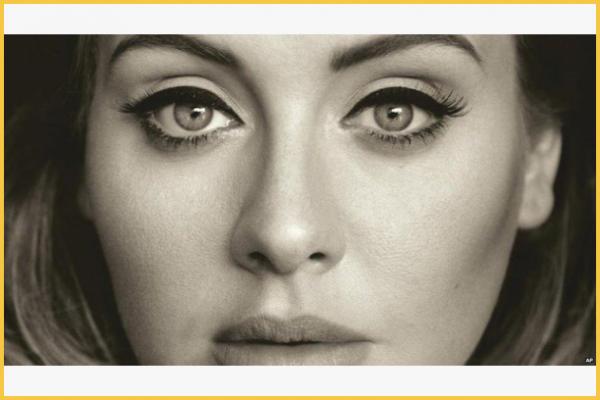
When Hello arrived in October 2015, it felt less like a single and more like a broadcast from someone returning after a long absence. Co-written with producer Greg Kurstin, the track opens Adele’s third album 25 and plays as a kind of curtain-raiser: a conversation with an old flame, with past versions of herself, and with the audience that had been waiting since 21. Musically it is a soul-inflected piano ballad in F minor, pacing along around 79–80 bpm, and built around a classic verse-pre-chorus-chorus rise that lets her voice move from hushed confessional to full, ringing apology.
The song was released worldwide as the lead single from 25 on October 23, 2015, via XL Recordings and Columbia. Within days it topped charts across more than thirty countries, broke first-week download and streaming records in both the US and UK, and turned its sepia-toned Xavier Dolan video into one of the fastest clips ever to pass the one-billion-views mark. The track would go on to win major awards, including Grammy trophies for Record of the Year, Song of the Year and Best Pop Solo Performance, plus a Brit Award for British Single.
Review and Highlights
Quick summary
- Lead single from the album 25, released October 23, 2015, co-written by Adele Adkins and Greg Kurstin.
- A slow, piano-led soul-pop ballad in F minor around 79–80 bpm, with a vocal range roughly spanning F3 to Ab5.
- Debuted at number 1 on the US Billboard Hot 100 and the UK Singles Chart, breaking first-week digital sales and streaming records on both sides of the Atlantic.
- The Xavier Dolan-directed music video, shot in rural Quebec, became the first music video filmed with IMAX cameras and one of the fastest to reach one billion views online.
- Later used diegetically in a brief audition gag in the animated film Sing 2, underlining how instantly recognizable that opening “Hello, it’s me” had become.

Heard on its own, away from all the records it broke, the song is deceptively simple. A moody piano figure sets the scene, joined by understated pads and guitar before the drums finally land in the first chorus. Kurstin keeps most of the arrangement in the midrange, leaving space for that unmistakable contralto to bloom on the hook. The chorus is essentially one long plea - long, arching lines over big sustained chords, with multitracked backing vocals building a kind of gospel haze behind the lead.
The verse writing leans conversational. Lines like “Hello, how are you? It’s so typical of me to talk about myself, I’m sorry” sound like fragments from a real, messy call, not tidy pop slogans. That loose phrasing is part of the appeal: it feels like you walked in on someone mid-confession. Reviewers at the time latched onto that combination of classic ballad form and diaristic detail; according to NME magazine, the track “reset expectations by doing exactly what she does best, at stadium scale.”
There is also a quiet cleverness in the dynamics. The first chorus lands big, but the second and third don’t simply repeat it louder. The drums become more insistent, the backing vocals thicken, and she nudges the melody higher and more sustained, especially on that “from the other side” entrance. It’s a long belt that demands both control and stamina, which is one reason so many karaoke attempts run out of steam by the last chorus.
Screen & Media Placements
Sing 2 (2021) - feature film cameo - diegetic. During the early audition montage, a hopeful horse character launches into the opening word of the song before being cut off almost instantly. The gag underlines how omnipresent the track had become by the mid-2010s; the snippet does not appear on the Sing 2: Original Motion Picture Soundtrack but works as a quick recognition joke in the cinema.
The X Factor (UK, 2015 promo teaser) - non-diegetic. Days before release, a 30-second TV ad aired during a commercial break, showing only the opening lines on a black screen with no artist credit. This teaser, aired in the middle of a talent show watched by millions, effectively turned the first airing of the new song into a mini-event and ignited speculation across social media.
Creation History
The song began life in 2014 at Metropolis Studios in London, where Greg Kurstin sat at the piano working through moody chord progressions while Adele improvised lines over the top. Early on she reportedly sang “Hello misery” before Kurstin gently steered her toward the simpler “Hello, it’s me,” which kept the same weight but opened up the lyric. The verses came quickly; the chorus took longer, passing through at least one discarded version, including a flirtation with a more country-flavoured feel, before they settled on the now-familiar, slow-burning hook in F minor. Kurstin played most of the instruments himself and produced the track, while Tom Elmhirst mixed and Randy Merrill mastered it into the widescreen ballad that would anchor 25.
Song Meaning and Annotations
Plot
On the most literal reading, the singer calls someone she has hurt and cannot reach. Years have passed; she is now far away, physically and emotionally, and wants to “go over everything.” We hear her side of the story: the regret, the apology, the awkward small talk as she slips back into old habits and talks about herself. By the choruses she is phoning “from the other side,” insisting she has tried to make amends even though the other person never picks up and, crucially, no longer seems torn up about what happened.
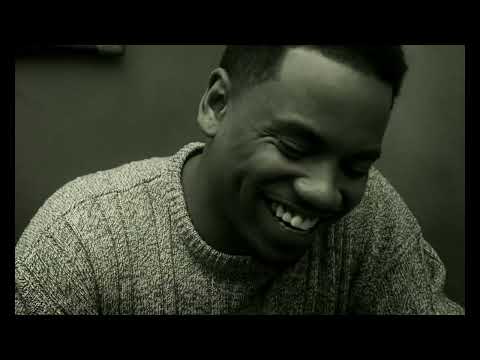
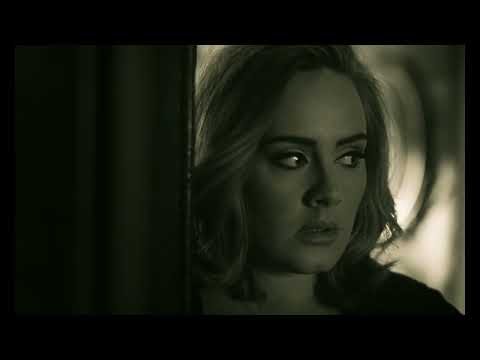
The video reframes that narrative visually. We see her in an abandoned house in the countryside, cleaning dust off old furniture, fiddling with a flip phone, and thinking back to a relationship that once filled the space with noise and warmth. Flashbacks show laughter, fights, and an argument in the rain with Tristan Wilds’ character. The present-day scenes, all in muted tones, make it clear that those days are gone; this call is more about her processing that loss than about rebuilding anything concrete.
Song Meaning
Adele has been clear that the “you” in this song is deliberate blur. She has described the track as being about friends, ex-partners, family and herself all at once, and as a way of reaching out to fans after a long gap between albums. In another interview she added that it was “about hurting someone’s feelings but also about trying to stay in touch with myself” – a yearning for the “other side” of her own life when she is pulled away from home on tour.
In that sense the “other side” does triple duty. It can be the far shore of a breakup, the gulf between fame and an ordinary life in London, and the shift from early-twenties chaos into more settled adulthood. According to a Guardian review at the time, the track felt like a “note from the far end of your twenties” as much as a love song. Regret and nostalgia are the primary colours, but there is also a thin streak of acceptance: she cannot force anyone to pick up, and time has clearly done more healing for the other person than for her.
Annotations
“The song is about hurting someone’s feelings but it is also about trying to stay in touch with myself.”
That line from an i-D interview is the key to unlocking the lyric. Once you hear the call as partly directed inward, the apology becomes less about winning someone back and more about acknowledging the messiness of who she was in her early success years and how that affected others.
She wrote it as her older self speaking to her younger self: “Who am I?”
By the time she began work on 25, she had become a parent and a global star. Talking about the chorus, she described it as a kind of conversation across time with the teenage and early-twenties version of herself who had made 19 and 21. That fits with the way the verses dwell on “who we used to be” and the sense that life has moved on without proper goodbyes.
The song began in 2014 and, according to Greg Kurstin, was written and recorded in a single day once the idea finally clicked.
That dramatic timeline mirrors the lyric’s urgency. For a track so obsessed with delayed apologies and missed chances, the actual session was swift, as if all that built-up experience suddenly found a shape.
The opening “Hello, it’s me” nods to earlier pop history: Lionel Richie’s “Hello, is it me you’re looking for?” and Electric Light Orchestra’s “Hello, how are you?”
Whether those references were conscious or just part of the “hello song” lineage, the echo works. We have heard a thousand pop and rock greetings; she slots herself into that tradition and then twists it into a multilayered apology. The third verse even borrows the exact “Hello, how are you?” phrase, sung to a similar contour as ELO’s Telephone Line, strengthening the intertextual thread.
“I’m in California dreaming” plays off the 1960s classic “California Dreamin’,” another song about longing and a relationship slowly dissolving.
Here she folds in a subtle nod to The Mamas and the Papas, while updating it for a modern pop star spending long stretches in Los Angeles. Where the original song dreams of California as an escape, she is in California dreaming of home and of an earlier, freer self.
“They say that time’s supposed to heal ya / But I ain’t done much healin’.”
This is the hinge of the song’s philosophy. The cliché says time fixes everything; her experience is that time mostly dulls the edges for some people and not others. The later line “it clearly doesn’t tear you apart anymore” extends that idea: she is stuck in the loop of regret, while the person on the other end has gone on with their life.
“I’ve forgotten how it felt before the world fell at our feet.”
Fame sneaks into the narrative here. The world “falling at her feet” evokes chart success and global tours. She cannot remember the feeling of being on equal footing with the person she is calling, and that imbalance creates both literal distance (she is in California; they are presumably still in the old town) and emotional distance.
“We’re running out of time.”
The ticking clock is not just about age or mortality. It is also about the expiration date on apologies. At some point, saying sorry stops being a shared catharsis and becomes more about the person doing the confessing. She senses she may already have waited too long.
The bridge’s stacked “highs” and “lows” mirror the rollercoaster of her twenties: meteoric success, vocal health scares, becoming a parent, and post-partum struggles.
Those mantra-like lines act almost like a summary of the album’s themes. Across 25 she keeps flipping between extremes – home and away, old and new loves, private and public selves. The bridge distils that into one hypnotic hook, while the background vocals rise and fall around her.
The video’s now-famous flip phone came from director Xavier Dolan’s dislike of modern smartphones on camera.
He has said that current phones feel too much like product placement, so he prefers older, less era-specific tech. The choice works perfectly here: it makes the whole piece feel slightly out of time, as if we are watching memories bleeding into the present rather than a contemporary Instagram breakup.
Lyric themes, sound, and cultural touchpoints
Structurally, the lyric is built around telephone language: “Hello, can you hear me?”, “I must have called a thousand times.” The phone becomes a metaphor for all the unfinished conversations she has with people from her past, including herself. That device also ties Hello back to a long line of telephone songs in pop and soul, from blues numbers about long-distance calls to Richie and ELO’s soft-rock staples.
Musically, the track fuses a classic piano ballad core with modern adult-pop production. The verses sit low in her range, living mostly around F3–Ab3, conversational and restrained. The pre-chorus leaps slightly higher, tightening the harmony for the “million miles” line, before the chorus opens up into sustained notes around G4–Bb4. The drums, entering fully in the chorus, are simple but heavy, giving the track its slow, marching feel rather than a swing or groove. Subtle guitar and organ parts fill out the harmony without ever drawing attention away from the voice.
The emotional arc (we can call it that even if she might roll her eyes at the term) moves from tentative contact to full confession and, by the end, resignation. She keeps dialling, keeps apologizing, but the last chorus ends not with reconciliation but acceptance that she is more haunted by the past than the person on the other end. Historically, Hello also marks a pivot: after the relationship-focused 21, 25 leans harder into songs about time, home, and self-reckoning, and this track sets that frame right at the top of the running order.
Technical Information
- Artist: Adele Adkins (lead and backing vocals, drums); Greg Kurstin (co-writer, producer, multi-instrumentalist)
- Featured: None on the studio recording
- Composer: Adele Adkins, Greg Kurstin
- Producer: Greg Kurstin
- Release Date: October 23, 2015
- Genre: Soul-pop, adult contemporary ballad with R&B and soft-rock elements
- Instruments: Piano, drums, bass, guitar, keyboards/organ, layered vocals
- Label: XL Recordings, Columbia Records
- Mood: Reflective, regretful, expansive
- Length: Approximately 4 minutes 55 seconds
- Track #: 1 on 25
- Language: English
- Album:25 (Target exclusive edition tracklist provided)
- Music style: Piano-led ballad in F minor, 4/4 time, mid-tempo around 79–80 bpm, building from intimate verse to full-bodied chorus
- Poetic meter: Predominantly loose iambic lines arranged in four-beat phrases, often broken by natural speech rhythms for a conversational feel
Questions and Answers
- Who produced Hello?
- Greg Kurstin produced the track, in addition to co-writing it and playing most of the instruments, including piano, bass, drums and guitar.
- When was Hello released?
- The single was released worldwide on October 23, 2015, as the lead single from the album 25, with the video debuting on the same day.
- Who wrote Hello?
- The song was written by Adele Adkins and Greg Kurstin during the writing and recording sessions for 25.
- What is the song about beyond a simple breakup?
- While it can be heard as a call to a former lover, Adele has said it is also about reconnecting with old friends, family, her fans, and her own younger self, trying to apologise for the ways life and success pulled her away.
- What key and tempo is Hello in?
- The track sits in F minor at around 79–80 beats per minute, in straightforward 4/4 time, with a repeating piano progression that underpins the verses and choruses.
- What vocal range does Hello cover?
- The studio version spans roughly from F3 up to Ab5, with the biggest challenge for many singers being the sustained belts around G4–Bb4 in the chorus rather than extreme high notes.
- Why does the video use an old flip phone instead of a smartphone?
- Director Xavier Dolan has said he dislikes how current phones look on camera, feeling they pull viewers out of the story, so he chose a flip phone to give the video a more timeless, slightly nostalgic feel.
- How did Hello perform on the charts?
- It debuted at number 1 on the US Billboard Hot 100 and stayed there for ten weeks, while also opening at number 1 on the UK Singles Chart and topping charts in more than thirty other countries.
- What major awards has Hello won?
- The track earned Grammy Awards for Record of the Year, Song of the Year and Best Pop Solo Performance, and took home the Brit Award for British Single, among other honours.
- Is Hello connected to Adele’s earlier hit Someone Like You?
- In theme and tone, many listeners see Hello as a kind of older sibling to Someone Like You, returning to regret and long-distance apology, but now from a more settled, reflective stage of life rather than immediate heartbreak.
- Does Hello appear in any films or TV shows?
- The original recording has been licensed occasionally, but a memorable mainstream appearance is in the animated film Sing 2, where a would-be contestant briefly attempts the song in an audition gag. Beyond that, countless TV talent shows and viral videos have featured covers and parodies.
- Why did the song have such a huge cultural impact on release?
- A mix of factors: a long gap since her previous album, a clever teaser campaign on primetime TV, a simple but devastating hook, and a video that felt like a short film. As one writer put it in Rolling Stone’s coverage of the era, it was the rare ballad that could stop a streaming-era timeline in its tracks.
- What makes Hello a challenging song to sing?
- Technically, the main issues are breath control for the long phrases, managing the chest-to-mix transitions in the chorus, and keeping pitch centred on the sustained belts without tightening the throat.
Awards and Chart Positions
From its first week, Hello behaved like a once-in-a-decade single. In the United States it debuted at number 1 on the Billboard Hot 100, selling around 1.11 million digital copies in seven days and setting a new record for weekly download sales at the time. It stayed at the top of that chart for ten consecutive weeks. In the United Kingdom, it opened at number 1 on the Official Singles Chart with one of the biggest first-week tallies in years and a then-record 7.32 million streams in a single week. According to the Official Charts Company, it would spend dozens of weeks in the UK top 40.
Globally, the track reached number 1 in 30-plus territories across Europe, North America, Oceania, and parts of the Middle East and Africa, and was among the year’s best-selling singles worldwide. It has been certified multi-platinum in numerous countries, including at least seven-times platinum by the RIAA in the United States.
| Region / Chart | Peak Position | Notable Stats |
|---|---|---|
| US - Billboard Hot 100 | 1 | Debuted at 1; 10 weeks at the summit; first song to sell over 1 million digital downloads in a single week. |
| UK - Official Singles Chart | 1 | Second UK number 1 for Adele; over 330,000 combined first-week sales and a then-record 7.32 million streams. |
| Canada - Canadian Hot 100 | 1 | Entered at 1 with record on-demand streams for a debut week in the market. |
| Australia - ARIA Singles Chart | 1 | Reached the top and contributed to 25’s massive opening in the territory. |
| Global | Multiple territories | Number 1 in more than 30 national charts; among the top-selling digital singles of the 2010s. |
Major awards
- Grammy Awards (59th) - Record of the Year; Song of the Year; Best Pop Solo Performance.
- Brit Awards - British Single of the Year.
- APRA Awards (Australia) - International Work of the Year.
- MTV Video Music Awards nominations - including Video of the Year and Best Female Video for the Xavier Dolan-directed clip.
How to Sing Hello
From a vocalist’s point of view, Hello is not the highest song on the album, but it is one of the most demanding. The tessitura keeps you sitting in that mid-to-upper range for long stretches, and the chorus belts are sustained enough to test even seasoned singers.
Key metrics for singers
- Key: F minor (original recording)
- Tempo: roughly 79–80 bpm, 4/4 time
- Vocal range: about F3 to Ab5, with most of the heavy lifting between A3 and Bb4
- Style: Contemporary soul-pop ballad, chest-dominant mix with controlled vibrato and tasteful ad-libs
Step-by-step approach
- Tempo and pulse - Before singing, clap or tap along with a metronome around 79–80 bpm. Feel the bar as four even beats, with the piano pattern carrying you through the verse. Practise speaking short chunks of the verse in time so the natural speech rhythm sits on the grid.
- Diction and text shaping - Keep consonants clear but not clipped. The intimacy of the verses comes from how conversational they feel, so let words like “wondering,” “everything,” and “sorry” roll naturally. Aim for tall vowels on key words (hello, side, time) so that when you get to the chorus the sound is round, not spread.
- Breathing strategy - Mark clear breath spots before long phrases like “Hello from the other side, I must have called a thousand times.” Take low, quiet breaths, expanding around the ribs rather than lifting the shoulders. Practise the chorus slowly, counting how long you need to sustain each note so you can plan where to inhale.
- Flow, phrasing, and rhythm - The verses should feel like one continuous thought. Connect lines with light legato and avoid chopping phrases at the bar line unless the lyric calls for it. In the pre-chorus, lean into the slight rhythmic push on “difference between us” and “running out of time” to build tension before the hook.
- Accents and dynamics - Use small crescendos into the first syllable of “Hello” and “other side,” then release slightly on the tail of the phrase. Save your biggest volume for the last chorus; if you sing full-out from the first chorus, you will have nowhere to go. Think in waves rather than a straight line.
- Register balance and doubles - The challenge is blending chest and mix so that the belts around G4–Bb4 feel supported. Practise sliding from a gentle chest voice on the verses into a slightly brighter mix on the chorus, keeping the larynx stable. If you are recording, you can emulate the original’s stacked vocals by double-tracking key lines, but live you will need to simulate that thickness with a consistent tone and controlled vibrato.
- Microphone technique - For live performance, stay quite close to the mic during the verses to capture the intimacy, then pull back slightly or angle off during the loudest chorus peaks to avoid overload. Keep movement smooth so the level changes are gradual rather than sudden jumps.
- Common pitfalls and how to avoid them - Many singers squeeze the throat on “Hello from the other side” trying to force power. Instead, think of leaning into the breath and allowing the ribcage to stay expanded; if you feel tightness in the neck, you are pushing. Another trap is running out of breath on the long phrases; slow practice and marking breath points will help. Lastly, resist the urge to overdo ad-libs on the final chorus. The original is surprisingly restrained; a few well-placed slides and flips will feel more authentic than nonstop runs.
- Practice materials - Use a piano or track in F minor to run scale patterns between F3 and Bb4, gradually adding the actual chorus melody. Try singing along at half-speed using a slowdown app, then work up to full tempo. If the key is too high or low for you, transpose the backing track down or up a step or two rather than forcing your voice into an uncomfortable range.
Additional Info
In the story of her career, Hello is the point where Adele returns from a period of relative quiet with something that acknowledges the weight of the previous record without trying to outdo it on drama. A cleverly underplayed TV teaser during The X Factor, a surprise Twitter note about turning 25 into a “make-up record,” and the immediate impact of the piano intro made its release feel like a worldwide listening party. According to a retrospective piece in Billboard, the single commanded chart metrics across sales, airplay and streaming in a way few ballads had managed in the streaming era.
The video also matters to the song’s legacy. Directed by Xavier Dolan and shot near Montreal, it uses IMAX cameras not for spectacle but for intimacy: we see dust on the furniture, condensation on windows, the tiny physical details of a house that holds too many memories. The flip phone became an unlikely talking point; the Los Angeles Times ran a piece asking why such an old device appeared in a 2015 video, prompting Dolan to explain his preference for less contemporary-looking tech. That detail, like the sepia grading, nudges the viewer toward thinking of the story as a memory, slightly out of time.
Culturally, the song has joined the canon of “hello” tracks, from Richie’s early 1980s soft-soul classic to Britpop and indie cuts. It has been parodied on Saturday Night Live, mashed into movie montages in viral videos, and reworked into everything from rock versions to children’s choir arrangements. According to NME magazine, the moment the opening line first aired in that X Factor slot, social feeds lit up with people recognising the voice even before the name confirmed it.
Critically, the track tends to land high on roundups of her catalogue. Some writers prefer the rawness of 21, others the later experiment of 30, but Hello is usually placed as the point where she folds all that previous heartbreak writing into something slightly more panoramic: less about a single failed romance, more about the ghosts of an entire decade. As stated in a 2024 Rolling Stone study on the album’s impact, the track helped cement 25 as a kind of bridge between traditional album-era balladry and streaming-age ubiquity.
Key Contributors
| Name | Type | Role and relationship |
|---|---|---|
| Adele Adkins | Person | Adele co-wrote the song and performs lead and backing vocals as well as some drum parts. |
| Greg Kurstin | Person | Greg Kurstin co-wrote the composition, produced the track, engineered sessions and played piano, bass, drums, guitar and keyboards. |
| Xavier Dolan | Person | Xavier Dolan directed and co-produced the official music video, shaping its visual concept and use of IMAX cameras. |
| Tristan Wilds | Person | Tristan Wilds (credited as Mack Wilds) plays the former partner in the video’s flashbacks, embodying the off-screen “you.” |
| Metropolis Studios, London | Venue | Metropolis Studios provided the recording environment where the core track was written and captured. |
| XL Recordings | Organization | XL Recordings released the single and album in many territories and oversaw aspects of the campaign. |
| Columbia Records | Organization | Columbia Records handled release and promotion in the United States and several other markets. |
| Tom Elmhirst | Person | Tom Elmhirst mixed the track, balancing vocals, piano, and rhythm section into the final stereo image. |
| Randy Merrill | Person | Randy Merrill mastered the recording, giving it the final polish for digital and broadcast formats. |